
SEO for Healthcare in Australia: TGA Guidelines, Content Standards, and What Google Expects
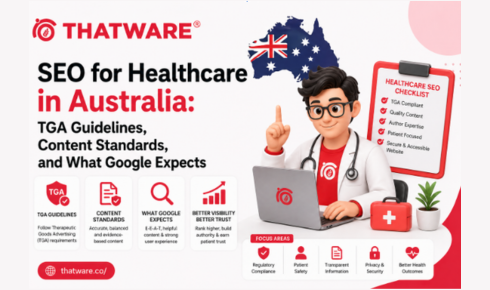
Healthcare SEO in Australia operates under constraints that most other industries don’t face. You’re writing for an audience that’s often anxious, sometimes vulnerable, always in need of accurate information — and you’re doing it in a regulatory environment where the Therapeutic Goods Administration has opinions about what you can and cannot claim, where AHPRA has specific requirements for how health practitioners can present themselves online, and where Google’s quality evaluation frameworks treat medical content with exceptional scrutiny. Doing this well requires understanding that the right seo company australia for a healthcare organization isn’t just technically competent at SEO. They understand the regulatory context well enough to produce content that’s both discoverable and defensible. The technical seo services australia side is table stakes. The compliance-aware content strategy is where healthcare SEO becomes genuinely specialized.
Here’s what you need to understand.
The TGA Content Landscape
The Therapeutic Goods Administration regulates the advertising of therapeutic goods in Australia, and the regulations are detailed. Prescription-only medicines cannot be advertised to the public. Over-the-counter medicines and medical devices can be advertised but must meet strict claim standards. Testimonials for therapeutic goods face specific restrictions. The definition of “advertising” under the TGA’s guidelines is broad enough to capture website content, blog posts, social media, and in some cases even patient reviews.
For healthcare practices and organizations, this creates a content challenge. You need to produce content that helps patients understand their conditions, their treatment options, and how your practice can help — while staying within the regulatory guardrails that govern what you can claim and how you can present it.
The mistakes that get healthcare organizations into trouble: making unqualified efficacy claims for treatments or devices, presenting testimonials in formats the TGA restricts, using comparative claims that can’t be substantiated, and misrepresenting practitioner qualifications or roles. The TGA takes complaints seriously and has enforcement powers that include requiring content removal.
Working with an SEO partner who understands these constraints from the outset prevents the need to retrofit compliance after content has been published and indexed.
AHPRA and Practitioner Online Presence
The Australian Health Practitioner Regulation Agency has specific guidance on how registered health practitioners can present themselves in advertising, which explicitly includes websites and social media profiles.
Key requirements: registered practitioners must include their registration number and the types of registrations they hold. They cannot make claims that could create unrealistic expectations about treatment outcomes. They cannot offer testimonials that endorse their clinical practice (there’s specific guidance on this that catches many practitioners off guard). And they must not make comparative claims about their services versus those of other practitioners.
For practices with multiple practitioners, or for group practices building SEO-optimized practitioner profile pages, each profile needs to be reviewed against AHPRA requirements. The practitioner bio that works from a pure technical seo services australia and conversion perspective may violate AHPRA guidelines in ways that create regulatory risk.
Google’s E-E-A-T Requirements for Medical Content
Google’s quality rater guidelines place medical, financial, and safety content in the highest scrutiny category. For this content, demonstrated expertise, authoritativeness, and trustworthiness are evaluated more rigorously than for other content types.
What this means in practice: medical content needs to be written by or reviewed by credentialed health professionals, with clear author attribution and credential disclosure. Content should be accurate, evidence-based, and updated when clinical guidance changes. The site should present its authors and editorial processes transparently enough for a skeptical reader to assess the content’s credibility.
The sites that rank consistently for competitive healthcare terms in Australia typically have strong author profiles, genuine clinical expertise in their content production process, and regular content review cycles that catch and correct outdated clinical information. They also tend to cite credible sources — clinical guidelines, peer-reviewed research, authoritative health organizations — in ways that demonstrate genuine engagement with the evidence base rather than superficial reference.
Technical SEO for Healthcare Organizations
The technical requirements for healthcare SEO don’t differ dramatically from other verticals, but the stakes of certain technical problems are higher in healthcare contexts.
Page load performance matters more when users are often searching from mobile devices in stressful situations. Accessibility compliance (WCAG standards) is both a legal consideration under Australian disability discrimination frameworks and an SEO factor, since accessibility improvements often align with quality signals Google’s systems evaluate.
Local SEO is particularly important for healthcare organizations with physical locations. Patients searching for GPs, specialists, or diagnostic services are predominantly conducting local searches. Google Business Profile optimization, local citation consistency, and structured data for healthcare organization types directly influence local pack visibility that drives appointment bookings.
Schema markup for healthcare content — MedicalOrganization, Physician, MedicalCondition — is underutilized by most Australian healthcare sites and represents a genuine technical differentiation opportunity for organizations that implement it correctly.
Healthcare SEO in Australia is complex, heavily regulated, and genuinely consequential for the patients who rely on finding accurate health information. The organizations that do it properly earn both search visibility and the trust of the audiences they serve.