Blog

  • How WPS Office Can Transform Your Workflow: Real-Life Case Studies and User Experiences

    How WPS Office Can Transform Your Workflow: Real-Life Case Studies and User Experiences

    With a homogeneous interface and unseamed cloud over synchrony, installing WPS Office across your devices can enhance productivity and allow you to work unbroken, regardless of which device you’re using. The process is simpleton, but varies somewhat depending on the platform.

    Downloading WPS Office on Windows

    To get started with WPS Office on a Windows device, travel to the official website at wps下载. From the homepage, you ll find a striking Download button. The site automatically detects your operative system of rules, so it will suggest the appropriate installer for Windows.

    After clicking the download link, an viable(.exe) file will begin downloading. Once complete, -click the installer file. The installment thaumaturgist will guide you through the work on. You ll be asked to accept the price and conditions, choose an instalmen , and decide whether you want to launch WPS Office at once after setup.

    Installing WPS Office on macOS

    For macOS users, the process is equally straightforward. Navigate to the WPS Office internet site and click on the Download release. The site will automatically cater the macOS installer in the form of a.dmg file.

    Open the downloaded.dmg file, then drag the wps官网 icon into your Applications brochure. macOS may cue you to confirm that you want to instal an app from the internet. Once installed, you can open WPS Office like any other practical application. On first set in motion, you may be asked to log in or sign up for a WPS describe to get at cloud over features.

    Setting Up WPS Office on Android Devices

    WPS Office is available for free in the Google Play Store. Simply open the Play Store on your Android smartphone or tab and search for WPS Office. Tap the install release and wait for the app to download and establis on your device.

    Once installed, open the app. You ll be prompted to allow permissions for accessing files, depot, and media. Granting these permissions enables WPS to open, edit, and save documents stored locally or in the overcast. You can also sign in to sync files across devices and get at cloud up storehouse.

    Installing WPS Office on iOS Devices

    iPhone and iPad users can well download WPS Office from the Apple App Store. Open the App Store and search for WPS Office. Once you find the app, tap Get and authenticate with Face ID, Touch ID, or your Apple ID watchword.

    After the installation is complete, open the app and keep an eye on the on-screen prompts to permissions. You ll be able to view and edit documents, access templates, and sync files through WPS Cloud or third-party overcast services like Dropbox and Google Drive.

    Signing In and Setting Up Cloud Sync

    No matter to which weapons platform you’re using, signing in to a wps官网下载 describe enhances your go through. Creating a free account allows you to get at WPS Cloud, sync documents across , and save files online. Signing in also unlocks basic features like document story, quislingism, and get at to templates.

    To sign in, plainly click or tap on the visibility icon in the app s interface. You can use an email address, call total, or social media report to record. Premium features can be unfastened later through in-app purchases or a subscription plan.

    Troubleshooting Common Installation Issues

    While installing WPS Office is usually smooth, some users may run into issues. For Windows and macOS users, make sure your system of rules meets the minimum requirements. Temporarily disqualifying antivirus software program can sometimes help if the installer is being plugged.

    Mobile users should control that their are updated to the current version of Android or iOS. If entrepot space is limited, liberation up retention before installing can resolve download errors. In rare cases, reinstalling the app can fix public presentation issues or glitches.


  • AI Agents as Assistants for Product and Engineering Teams: Supercharging Innovation and Efficiency

    AI Agents as Assistants for Product and Engineering Teams: Supercharging Innovation and Efficiency

    In the ever-evolving landscape of technology, the demand for speed, accuracy, and innovation has never been higher. Product and engineering teams are at the forefront of this race—tasked with launching cutting-edge features, optimizing development cycles, and delivering superior products faster than ever before. Enter AI agents—intelligent, autonomous software entities designed to work alongside humans, automating repetitive tasks and making complex decisions based on data.

    Today, AI agents are transforming how teams operate, becoming indispensable partners driving efficiency, productivity, and smarter decision-making. By leveraging the capabilities of an enterprise AI platform and deploying specialized enterprise AI agents, companies are unleashing new levels of agility and effectiveness in their product and engineering teams.

    1. Enhancing Productivity and EfficiencyAutomating Repetitive Tasks

    One of the core strengths of AI agents is their ability to annihilate tedious and repetitive tasks. This allows product managers and engineers to focus on creativity and strategic work that moves the needle.

    • Code Generation and Review: AI-powered tools can rapidly generate boilerplate code, flag bugs, and even suggest optimizations. This not only reduces human error but also accelerates the development cycle, helping teams deploy features and fixes with confidence.
    • Test Automation: Manual testing is time-consuming. AI enables automatic generation and execution of comprehensive test cases, ensuring robust, bug-free deployments without the manual effort.
    • Documentation Management: AI agents can maintain technical documentation by monitoring code changes and updating documentation in real-time. This guarantees up-to-date, accurate resources—crucial for onboarding and knowledge sharing.
    • Intelligent Task Management: AI can prioritize tasks based on urgency, complexity, and resource availability, assigning them to suitable team members. With improved visibility into project progress, teams meet delivery deadlines with less hassle.
    • Meeting Summarization: Post-meeting confusion is a thing of the past. AI agents can transcribe discussions, summarize key decisions, and track action items, greatly streamlining team communication and accountability.

    2. Streamlining Workflows with Intelligent AutomationIntelligent Routing and Triaging

    Efficiently handling the inflow of issues, feature requests, and support tickets is a differentiator for successful teams. AI agents can analyze and route incoming queries, bug reports, and support cases to the right expert or system automatically, reducing bottlenecks and enhancing customer satisfaction.

    • Predictive Maintenance: In hardware and IoT engineering, AI can analyze sensor data to forecast equipment failures, enabling proactive fixes and minimizing costly downtime.
    • Supply Chain Optimization: AI analyzes demand signals, manages inventory, and identifies disruptions—ensuring a smarter, more responsive supply chain.
    • Personalized Recommendations: Whether it’s suggesting relevant code libraries or knowledge articles, AI agents recommend resources tailored to individual engineers, accelerating problem-solving.

    By embedding enterprise AI agent solutions into existing infrastructure, technology teams gain seamless, intelligent workflow automation.

    3. Enabling Data-Driven Decision-MakingActionable Insights for Product and Engineering Teams

    The explosion of data in today’s SaaS and hardware products can be overwhelming. AI agents help teams harness this data for continuous improvement:

    • Data Analysis & Visualization: AI-powered analytics rapidly identify hidden trends, operational bottlenecks, and growth opportunities, offering actionable insights at every stage of the product lifecycle.
    • Market Research & Competitive Analysis: Automating the process of scraping and analyzing competitor offerings, AI provides real-time intelligence to guide strategic product development.
    • A/B Testing: By automating test design, data collection, and statistical analysis, AI allows teams to quickly iterate on new features and optimize user experiences.
    • Risk Management: Proactive risk identification and assessment help teams prevent project overruns, compliance issues, and security vulnerabilities before they impact users.

    4. Real-World Use Cases: From Product Management to DevOpsProduct Management

    Product managers can unlock new efficiencies by deploying AI-driven assistants:

    • Customer Feedback Mining: AI parses user reviews, Net Promoter Scores (NPS), and support tickets to uncover pain points, informing feature prioritization.
    • Predicting Product Launch Outcomes: AI models analyze market trends, adoption rates, and competitor moves, giving reliable predictions for new product introductions.

    Engineering

    Engineering teams see value through:

    • AI-Enhanced Development: From code review and debugging to CI/CD pipeline optimization, AI automates and augments everyday engineering activities.
    • Design Optimization: AI proposes design changes for improved performance, manufacturability, or cost efficiency.

    DevOps and SRE

    Reliability engineering and operations are transformed by:

    • Infrastructure Automation: AI agents rapidly provision and manage infrastructure as code (IaC), reducing manual configuration and human mistakes.
    • Proactive Monitoring: AI continuously monitors system metrics, identifying and resolving potential issues long before they impact users.

    For a comprehensive overview, the what is an ai agent blog provides detailed explanations of agent functions and their transformative potential.

    5. Best Practices for Implementing AI Agents in Product and Engineering Teams

    Adopting AI agents is not just a technical upgrade—it’s an organizational transformation. Consider the following when deploying AI in your organization:

    • Data Quality: High-quality outcomes depend on clean, accurate, and well-organized data. Invest in robust data pipelines and regular audits to maximize your AI agent’s impact.
    • Seamless Integration: Customizing agent deployment to fit within existing tools, workflows, and platforms ensures quick adoption and user acceptance.
    • Training and Education: Encourage team engagement by offering training on AI tools, fostering buy-in, and empowering staff to get the most from their AI assistants.
    • Ethical Considerations: Carefully manage AI’s ethical implications, including privacy and bias mitigation.
    • Robust Security: Secure both data and AI models against unauthorized access or tampering, protecting sensitive projects and intellectual property.

    The Future of Collaboration: Why AI Agents Belong in Every Product and Engineering Team

    In the relentless pursuit of innovation, speed, and quality, enterprise teams face mounting pressure to deliver more, faster. AI agents are not replacements for talented product managers and engineers—but they supercharge what people can achieve. By automating the grind, streamlining processes, and illuminating paths to data-driven decisions, these digital collaborators unlock strategic focus, fuel creativity, and unshackle time and talent for higher-level impact.

    The bottom line? Embracing AI agents, backed by modern AI platforms, is the competitive advantage today’s product-led organizations can no longer afford to ignore. The future of engineering and product excellence belongs to those who put AI agents at the heart of their digital workforce.

    Frequently Asked Questions: AI Agents for Product and Engineering Teams

    1. What is an AI agent, and how does it differ from standard automation?
    An AI agent is an intelligent software entity capable of perceiving, deciding, and acting autonomously based on data and context. Unlike standard script-based automation, AI agents adapt, learn from feedback, and perform tasks in complex scenarios.

    2. How do AI agents enhance productivity for engineering teams?
    AI agents automate repetitive activities like test execution, documentation, code review, and meeting notes, allowing engineers to focus on creative and complex problem-solving.

    3. Can AI agents improve code quality?
    Absolutely. AI-driven code generation and review tools can suggest bug fixes, refactoring, and best practices, resulting in cleaner, more reliable code.

    4. How do AI agents help product managers?
    AI agents can analyze customer feedback, prioritize feature backlogs, automate market research, and provide predictive insights into product launches, helping product managers make better decisions faster.

    5. Are AI agents suitable for DevOps teams?
    Yes. DevOps teams benefit from AI agents in infrastructure automation, system monitoring, auto-remediation of incidents, and predictive scaling.

    6. How is data privacy maintained when implementing AI agents?
    Modern AI solutions employ encryption, access controls, and ethical AI governance to safeguard sensitive information and meet compliance requirements.

    7. Can AI agents integrate with existing team tools and platforms?
    Definitely. Most enterprise AI agents are designed for seamless integration with popular tools such as Jira, Slack, GitHub, and CI/CD systems.

    8. What are the key considerations before deploying AI agents?
    Focus on data quality, training, ethical guidelines, and robust security measures to ensure successful implementation and adoption.

    9. Do AI agents replace human roles in product and engineering teams?
    No. AI agents are designed to augment human teams by removing grunt work, surfacing insights, and amplifying human creativity—not replacing qualified professionals.

    Leverage today’s AI agent technology to accelerate, innovate, and outpace the competition—your product and engineering teams will thank you.

  • Framing Elegance: Why Wrought Iron Doors and Windows Still Steal the Spotlight

    Framing Elegance: Why Wrought Iron Doors and Windows Still Steal the Spotlight

    It’s funny how some materials just carry their weight in charm, even centuries after their invention. Stone. Wood. Iron. They’ve stuck around for good reason. They feel grounded. They look timeless. They tell a story. And when it comes to doors and windows, iron—especially in its decorative, crafted forms—does a lot more than function. It transforms.

    You’ve probably noticed this trend creeping back into homes, restaurants, and storefronts: dark, graceful lines framing glass, grand arched double doors at entryways, and finely detailed scrolls that feel more European villa than suburban standard. That’s no accident. The appeal of wrought and rod iron is surging, not just for aesthetics but for lasting strength. So let’s break down the charm, the practicality, and—yes—the affordability of these heavy hitters.


    What’s the Deal with Rod Iron?

    First things first: a little naming clarity. “Rod iron” is often used in casual conversation, but it’s usually a mishearing of “wrought iron.” True wrought iron is worked by hand (wrought meaning “worked”), which gives it that beautiful, textured, artisanal look. And while the exact metallurgy can vary in modern versions, the result remains a visual classic.

    Still, rod iron windows—or wrought iron framed windows, if we’re being exact—offer much more than just a design feature. These windows stand out. They create structure and contrast, especially in homes with a softer, more natural palette. Against wood siding or white plaster? Stunning. Inside a modern, concrete loft? Even better.

    Plus, they offer a surprising amount of flexibility. From classic French grids to clean-lined industrial styles, iron windows can tilt in both traditional and contemporary directions. And don’t forget: they’re not just pretty. These frames are durable, fire-resistant, and hard to damage—ideal for both peace of mind and long-term performance.


    The Door That Changes Everything

    A home’s front door isn’t just a point of entry. It’s a handshake. An invitation. A first impression that tells the world what to expect inside. So, if your entryway is still clinging to that standard-issue fiberglass panel from the 2000s, now might be a great time to upgrade.

    And what better way to make an entrance than with a set of wrought iron double doors for sale? These doors aren’t shy. They’re dramatic in the best way—symmetrical, substantial, and statement-making. Whether adorned with glass inserts or patterned ironwork, double doors are like architectural jewelry for your home.

    They’re perfect for larger entryways, of course, but can also work surprisingly well in narrower spaces. A pair of slender doors often feels grander than one oversized slab. And for homes with tall ceilings, arched or transom-topped iron doors add vertical grace and grandeur.

    Worried about maintenance or insulation? Don’t be. Modern versions of these doors often come with double-paned glass, energy-efficient cores, and rust-resistant coatings. They’re as functional as they are beautiful—and built to last decades.


    Budget Beautifully with Iron

    Let’s talk money. Because yes, custom, ornate iron doors can carry a hefty price tag. But that’s not the whole story.

    There’s a growing market of cheap wrought iron doors that still offer plenty of charm without the luxury price point. These aren’t flimsy or faux. They’re often mass-produced models in standard sizes—less custom, but still crafted with care. Many builders and renovators source these for projects that need that wow factor on a budget.

    And here’s the kicker: even the more affordable iron doors tend to outperform their cheaper wood or fiberglass counterparts in lifespan, durability, and visual appeal. So while the upfront investment may be slightly higher, the long-term value speaks for itself.

    Just make sure you’re buying from a reputable source—preferably with reviews, photos, and clear specifications. A poorly finished iron door can rust or warp if it’s not properly sealed, so check for powder coating and welded joints.


    Design Tips for a Cohesive Look

    If you’re introducing iron into your home, a little goes a long way—but coordination is key. Match your front door with other iron elements like light fixtures, stair railings, or even planter boxes. Consistency across finishes helps the look feel intentional, not accidental.

    Pair rod iron windows with soft, warm textures—linen drapes, natural wood floors, muted walls—to soften the visual impact. And if you’re going modern, go all in: crisp lines, matte black finishes, and neutral palettes create that minimalist-chic vibe everyone loves right now.

    Inside the house, iron-framed glass partitions can define space without closing it off—great for open-plan living areas that still need a bit of separation between, say, your kitchen and your workspace.


    The Verdict: Timeless, Tough, and Totally Worth It

    Here’s what it boils down to. Iron has never really gone out of style—it’s just evolved. From decorative balconies in Paris to sleek urban interiors in New York, it’s always had a place. And right now, that place is expanding.

    With more rod iron windows, wrought iron double doors for sale, cheap wrought iron doors available than ever, it’s a great time to reimagine your spaces with something that lasts, impresses, and adds serious value.

    So, next time you’re staring at that boring builder-grade door or considering a window replacement, consider iron. Not because it’s trendy—but because it’s timeless. And in a world where everything feels like it’s changing fast, that kind of permanence feels like a luxury all its own.

  • The Unsung Hero of the Power Grid: Why Every Facility Needs a Great Maintenance Electrician

    The Unsung Hero of the Power Grid: Why Every Facility Needs a Great Maintenance Electrician

    Let’s talk about something that doesn’t get nearly enough credit—maintenance. Not glamorous, not exciting, but absolutely essential. Because behind every humming HVAC system, every glowing office light, every piece of machinery doing its job without complaint, there’s someone checking wires, flipping breakers, testing loads, and fixing issues before anyone even notices a problem. That someone? A maintenance electrician.

    This isn’t the kind of job that headlines press releases or gets flashy ads in the paper. But without them, a whole lot of modern life would come to a screeching halt.


    Not Just “Fix-It” Folks—They’re the Keep-It-Running Pros

    You might think of electricians as the folks who swoop in when something breaks. Lights flickering? Circuit’s out? Outlet’s dead? Sure, they’ll fix it. But a maintenance electrician is the kind of professional who’s already been there, done the checks, made the tweaks—and prevented that outage in the first place.

    This role is all about anticipation. About spotting the little signs of wear and tear, corrosion, imbalance, or overload before they snowball into big, expensive, time-sucking problems. Think of them like the backstage crew of a big concert—if they do their job right, nobody notices them. Everything just… works.


    Different From Your Average Electrician

    There are many kinds of electricians—residential, construction, industrial, commercial—but maintenance electricians have their own unique rhythm. They’re not just wiring up new buildings or chasing down emergencies (though they’re more than capable of both). Their job is consistency. Reliability. Quiet excellence.

    They often work in factories, hospitals, hotels, schools, government buildings, office complexes—anywhere that needs complex systems running smoothly 24/7. They know those systems inside and out. And not just the electrical stuff, either. Sometimes they’re knee-deep in blueprints. Other times, they’re interpreting data from programmable logic controllers (PLCs), running diagnostics, or replacing aging components in the middle of the night so your morning shift never misses a beat.


    A Day in the Life (Spoiler: It’s Not Boring)

    So, what does a day look like for a maintenance electrician? No two are the same—but here’s a taste.

    It might start with a routine check of a building’s main electrical panel. Then it’s onto testing emergency lighting systems to make sure they’ll fire up in a blackout. Maybe there’s a schedule to inspect and clean motor control centers. Or an alert pops up from the building’s automation system flagging a spike in current—time to investigate.

    And if something is malfunctioning? The maintenance electrician is ready. Multimeter in hand, circuit knowledge in their head, safety gear on—they’re there to find the issue, fix it fast, and keep everything running without missing a beat.

    It’s hands-on, high-stakes, and detail-driven work. And the people doing it have to be both technically sharp and endlessly patient.


    The Hidden Cost of Skipping Maintenance

    Here’s the truth: reactive maintenance—the kind where you only fix something after it breaks—is a ticking time bomb. It’s expensive. It’s disruptive. And it often means longer downtime, costlier parts, and a whole lot of finger-pointing when things go wrong.

    But a solid maintenance plan? It saves money. Saves time. Saves stress. And at the heart of that plan should be a professional who doesn’t just fix electrical systems but actually understands them.

    That’s where a maintenance electrician proves their value tenfold. They don’t just show up with a toolbelt—they show up with insight. With a sixth sense for problems before they start. With a dedication to the systems that keep your business running, your machines moving, and your people safe.


    Skills That Go Beyond the Breaker Box

    Let’s give these folks a little more credit. They’re not just good with tools—they’re critical thinkers. Analysts. Communicators. They interpret blueprints and schematics like second language. They know when to escalate and when to handle it solo. They’re constantly learning—because technology doesn’t stand still, and neither does the work.

    Maintenance electricians are also big on safety. They don’t take shortcuts, and they definitely don’t take chances. Working with high-voltage systems, tight spaces, and sensitive machinery means attention to detail isn’t just a skill—it’s a requirement.


    Hiring a Maintenance Electrician? Here’s What to Look For

    Thinking about bringing one on board? Whether you’re managing a hotel, overseeing a manufacturing plant, or running a large office building, finding the right maintenance electrician can make a world of difference.

    Look for someone with:

    • Licensing and certifications – Don’t cut corners here. You want someone who knows the codes and follows them.
    • Experience in similar environments – Commercial vs. industrial systems can be vastly different.
    • Problem-solving mindset – It’s not just about spotting an issue, it’s about solving it efficiently.
    • Willingness to learn – Tech evolves. So should your electrician.
    • Calm under pressure – Emergencies will happen. You want someone who doesn’t panic when the lights flicker.

    And honestly? Gut instinct counts too. If they talk shop confidently, ask good questions, and seem like they’re already thinking two steps ahead—that’s probably your person.


    Final Thoughts: Because “Working Fine” Isn’t Always Fine Enough

    Electricity is like air conditioning or coffee in a busy office—you don’t realize how much you depend on it until it’s gone. And by then? It’s usually too late for easy fixes.

    A good maintenance electrician is your first line of defense against chaos. They’re the ones who keep the wheels turning quietly, reliably, and safely while the rest of the world goes about its business. They don’t ask for a spotlight—but they definitely deserve one.

    So here’s to the ones walking the corridors with a flashlight and a checklist, the ones who never panic when the panel hums funny, and the ones who know your system better than you do. They might just be the most important person on your team that nobody sees.

    But trust us—when the lights stay on, you’ll know exactly who to thank.

  • Wood That Welcomes: Finding the Right Wooden Front Door Without Overspending

    Wood That Welcomes: Finding the Right Wooden Front Door Without Overspending

    There’s something about a wood door that just feels… right. It creaks a little when it opens. It’s solid under your palm. It warms up with the morning sun and cools down at night. Whether stained deep walnut or painted in a cheerful robin’s egg blue, a wood door isn’t just an entrance—it’s a moment. The first hello your home offers to anyone stepping inside.

    But let’s be honest. That moment? It can get expensive. Especially if you’re eyeing those handcrafted models in boutique catalogs that cost more than a used car. The good news is, you don’t have to shell out a fortune to get the warmth, charm, and strength that wood doors bring. These days, if you know where to look, you can find wooden doors discount deals, affordable wood doors, and even full-on wood front doors sale events that make upgrading your entryway surprisingly doable.

    Let’s walk through what makes wood doors so timeless—and how you can bring one home without burning a hole in your wallet.


    Why Wood? (Besides the Obvious)

    It’s easy to fall for wood. The natural grain. The heft. The way it changes with light and age. Wood doors have a way of fitting into just about any style—modern, rustic, colonial, craftsman, cottage, you name it.

    But beyond the looks, there’s function. Wood is a natural insulator, which means a quality wood front door helps keep the heat out in summer and the cold out in winter. It’s also sturdy. A solid wood door, properly maintained, can last decades. And it just feels better—more grounding—than the hollow-sounding alternatives made of metal or fiberglass.

    The downside? Price. Custom wood doors can be pricey, especially if you’re going for hardwoods like mahogany or walnut. That’s where the magic of smart shopping comes in.


    Where to Find the Good Stuff (Without the High Price Tag)

    So where does one find that unicorn door—the one that looks high-end but fits a real-life budget?

    1. Local Building Supply Warehouses

    These places are often stocked with overstock or discontinued models that builders didn’t use. What’s considered surplus to them might be perfect for you. Keep an eye out for seasonal closeouts or year-end inventory sales.

    2. Online Retailers and Flash Sales

    Don’t sleep on big online marketplaces. Many run regular wood front doors sale events, especially around holidays. Set up alerts and browse the clearance sections—sometimes you’ll catch a premium door at half price.

    3. Architectural Salvage Yards

    Into character and patina? Salvage yards are a goldmine for solid wood doors, sometimes decades old but beautifully built. With a little sanding and a new coat of finish, they become the star of your home.

    4. Direct-to-Consumer Brands

    More companies now skip the middleman and sell directly to homeowners. That means better pricing on new models and more transparent material sourcing. If you’re after affordable wood doors that don’t skimp on quality, these brands can be a great place to look.


    What to Know Before You Buy

    A good deal is only good if it fits—literally. Here’s what to keep in mind:

    • Measure, then measure again. Standard doors are 36″ wide and 80″ tall, but variations abound. Don’t rely on guesswork.
    • Pre-hung or slab? A pre-hung door includes the frame and is ideal if you’re replacing everything. A slab is just the door—better for straightforward swaps.
    • Solid wood vs. engineered core. Solid wood is premium, heavy, and long-lasting. Engineered wood (often with a veneer) is more budget-friendly but can still look and feel great.
    • Installation costs. Factor this in. A beautiful $400 door can become a $1,200 project with labor and finishing.

    Maintenance: A Little Love Goes a Long Way

    Wood needs attention, especially when exposed to the elements. But it’s not as high-maintenance as you might think.

    Seal it well, especially on the top and bottom edges where moisture can sneak in. Re-stain or repaint every few years depending on weather exposure. Wipe it down regularly to keep dirt and mold at bay. Treat it well, and it’ll return the favor.


    Style Notes That Don’t Cost a Thing

    Once you’ve got your door, little touches can take it from nice to knockout. Swap out basic hardware for oil-rubbed bronze or antique brass handles. Add sidelights or a transom window if your frame allows. Hang a seasonal wreath or go bold with house numbers right on the door.

    Color also matters. Natural stains highlight grain and add richness. Deep colors (navy, forest green, maroon) bring drama. Lighter hues feel modern and clean. Go with what makes you smile when you pull in the driveway.


    One Keyword, Three Possibilities

    Sometimes, the hunt begins with a search bar. Whether you’re typing in wooden doors discount, affordable wood doors, wood front doors sale, what you’re really searching for is a door that feels like you—something sturdy, stylish, and maybe just a little sentimental. Something that stands strong against the weather and welcomes you home with a satisfying click.

    And now, more than ever, that’s completely within reach.


    Final Thoughts: Don’t Just Open a Door—Open a Story

    Your front door isn’t just a barrier. It’s a beginning. For family. For guests. For every story that starts the moment someone walks through it.

    And when that door is made of real wood—aged just right, solid beneath your hand, perfectly imperfect in its grain—there’s a different kind of comfort that comes with it.

    So go ahead. Search for the deals. Visit the yards. Scroll through those sale pages. Because the perfect wood door doesn’t have to be out of reach. It’s out there—waiting to frame your story, one step at a time.

  • When Laundry Day Goes Sideways: A Real-Life Guide to Washing Machine Repair in Birmingham, AL

    When Laundry Day Goes Sideways: A Real-Life Guide to Washing Machine Repair in Birmingham, AL

    You know the sound—that rhythmic hum of the washer as it does its thing in the background while you check emails, make dinner, or just pretend to be productive. It’s comforting in its own quiet way. But when that familiar spin slows to a sluggish whirr, or worse—stops entirely—it feels like your whole week just took a hit.

    There’s nothing quite like a broken washing machine to remind you how quickly things can unravel. Piles of laundry start multiplying like gremlins, and suddenly you’re either Googling “laundromats near me” or frantically searching “washing machine repair Birmingham AL.” If you’re nodding along, welcome—you’re definitely not alone.

    Let’s break it down: why washers break, what to do next, and how to get that drum turning again without losing your cool (or your socks).


    Why Your Washing Machine Might Be Throwing a Fit

    It might be easy to forget, but washing machines are complicated little beasts. Behind the simple interface—some buttons, a dial or two—is a complex system of pumps, belts, valves, sensors, and electrical circuits all working in harmony to clean your clothes.

    Until one of them doesn’t.

    Here are some of the most common washer complaints:

    • It won’t start – Power issues, lid switch problems, or a failed control board could be to blame.
    • It won’t spin – This could mean a worn-out belt, a faulty motor, or an overloaded drum.
    • It’s leaking – Could be a loose hose, cracked pump, or door gasket gone bad.
    • It’s loud enough to wake the neighbors – Maybe it’s off-balance, maybe the drum bearings are shot.
    • It doesn’t drain – A clogged drain pump or kinked hose might be stopping the flow.
    • It smells funky – Front-loaders, we’re looking at you. Bacteria builds up fast if it’s not cleaned regularly.

    None of these issues are the end of the world, but they can feel that way when laundry’s piling up and time is ticking.


    DIY or Dial the Pros?

    We live in the age of YouTube tutorials and DIY ambition. And hey, some minor washer issues really are fixable at home. Replacing a door seal or cleaning out a drain filter? Totally doable with a little patience and the right video.

    But more complex issues—like electrical faults, water pump failures, or mysterious error codes—are best left to the professionals. Washing machines hold water and electricity, and mixing the two when you don’t know what you’re doing can end very badly.

    If you’re not 100% sure what’s wrong, or your DIY attempt involves taking the back off the machine with a screwdriver and a prayer, it’s time to call someone trained in washing machine repair.


    Why Local Repair Services in Birmingham Make a Big Difference

    Not all washer repair techs are the same. If you’re searching for washing machine repair Birmingham AL, you’re already heading in the right direction by staying local. Here’s why that matters:

    • Quicker response times – You don’t have time to wait a week when laundry’s backed up.
    • Familiarity with regional water quality – Hard water? That affects hoses and valves over time.
    • Personalized service – Local businesses thrive on word of mouth. That means they’re more likely to do the job right the first time.
    • Experience with homes like yours – Older plumbing, newer builds, basement setups—they’ve seen it all in Birmingham.

    Plus, supporting local technicians keeps business in your community. A win-win, really.


    What to Look for in a Washer Repair Technician

    Finding a reliable pro shouldn’t feel like a gamble. The right repair tech will show up on time, treat your home with respect, and actually fix the problem—without trying to upsell you a new machine.

    Here’s what makes a repair tech worth trusting:

    • Experience with your machine’s brand – From Whirlpool to Samsung to Maytag, every washer has quirks.
    • Clear pricing – No “we’ll see once we open it up” nonsense.
    • Access to OEM parts – Not generic ones that might not last.
    • Good reviews – Real stories from people in your area.
    • Willingness to explain what’s wrong – No jargon, just straight answers.

    If your tech takes time to diagnose, fix, and educate? Hang onto their number—you’ve found a keeper.


    Is It Worth Repairing or Replacing?

    Tough question, and it depends. Generally, repair is worth it if:

    • Your machine is less than 8 years old.
    • It’s a high-efficiency or front-loading model.
    • The repair cost is under 50% of the cost of a new washer.
    • It hasn’t had chronic issues in the past.

    But if your washer’s been a money pit or is pushing 10–12 years? It may be time to shop around. A solid technician will tell you straight-up what’s worth fixing and what’s not.


    Keep It Clean, Keep It Spinning

    Want to keep your washer happy for years? A little TLC goes a long way:

    • Don’t overload it – Your washer isn’t a weightlifter.
    • Use the right detergent – Especially for HE machines.
    • Leave the door open after use – Helps prevent mildew.
    • Clean the filter and drum regularly – Seriously, just do it.
    • Check hoses for leaks – Especially the rubber ones.

    These simple habits can prevent a whole lot of headaches—and help you avoid premature washer repair calls.


    Final Spin: Don’t Let a Broken Washer Break Your Flow

    Look, nobody plans for their washer to quit mid-cycle. But when it does, you need fast, honest help from someone who knows what they’re doing. Whether it’s a loud clunk, a soggy load, or just a whole lot of nothing when you press start, getting it fixed shouldn’t be complicated.

    If you’re on the hunt for washing machine repair, washer repair, washing machine repair Birmingham AL, just remember this: help is closer than you think. With the right local technician, you’ll be back to clean clothes and normalcy in no time.

    Because life’s too short to spend it at the laundromat.

  • Cleaner Water, Happier Life: Why Water Treatment Matters More Than You Think

    Cleaner Water, Happier Life: Why Water Treatment Matters More Than You Think

    You don’t really think about water—until you have to. Maybe it’s that strange chlorine tang in your glass, the residue on your shower doors, or the fact your coffee never quite tastes the same at home as it does at your favorite café. Whatever it is, one thing’s for sure: not all water is created equal.

    The truth is, water quality can vary wildly from one tap to another—even in the same neighborhood. And whether you’re running a household or managing a business, what flows out of your pipes matters more than most people realize. That’s where smart, modern water treatment comes into play.


    It Starts With the Water You Use Every Day

    Let’s face it: water touches everything. From your morning shower to the ice cubes in your drink, from laundry cycles to food prep, it’s woven into the rhythm of your day. So if the water you’re using isn’t clean, balanced, or properly filtered, it shows up—in dry skin, crusty dishes, worn-out plumbing, and even weird-tasting meals.

    Now, you might be thinking, Hey, I live in a city. My water’s treated already. And yes, that’s technically true. Municipal water goes through its own set of treatments to meet federal safety standards. But “safe” doesn’t always mean “optimal.” It doesn’t mean free of contaminants like heavy metals, chlorine byproducts, pharmaceuticals, or hard water minerals that can still slip through.

    This is where home and business owners step in to take matters into their own hands—and rightly so.


    Residential Water Treatment: Comfort, Health, and Peace of Mind

    Let’s zoom in on the home front. Residential water treatment is about more than having better-tasting drinking water (though, let’s be honest, that’s a pretty sweet perk). It’s about improving your family’s health, protecting your appliances, and making everyday life just… smoother.

    For most households, common culprits include:

    • Hard water (calcium and magnesium buildup)
    • Chlorine and chloramines (used in municipal disinfection)
    • Iron, sulfur, and sediment (especially in well water)
    • Bacteria and viruses (a concern in rural or older systems)

    Depending on what’s in your water—and what you want to fix—solutions might include:

    • Whole-house filters (great for sediment and chlorine)
    • Water softeners (goodbye, soap scum)
    • Reverse osmosis systems (ultra-purified drinking water)
    • UV purifiers (a non-chemical approach to disinfection)

    The beauty of residential water treatment is that it’s scalable. You can start small—with a faucet filter or under-sink RO unit—and build from there. Or you can go all-in with a whole-home setup that treats every drop before it even reaches your showerhead. Either way, you’ll feel the difference pretty quickly.


    Commercial Water Treatment: Where Clean Water Equals Business Sense

    If you run a business, especially one where water quality directly affects the product or customer experience, things get even more serious.

    Think restaurants, cafés, laundromats, hotels, car washes, dental clinics, manufacturing plants—the list goes on. Poor water quality in these settings can mean off-flavors, equipment breakdowns, hygiene concerns, and increased costs due to inefficiency or extra maintenance.

    Let’s say you’re running a coffee shop. You can buy the best beans on Earth, but if your water’s full of minerals or chlorine, that espresso’s going to suffer. Or maybe you manage an apartment building, and tenants are complaining about hard water stains or dry skin. These aren’t just minor issues—they’re reputational risks.

    That’s why commercial water treatment isn’t just a luxury—it’s a necessity.

    Businesses often turn to:

    • Customized filtration systems tailored to their operations
    • High-capacity softeners to protect boilers and commercial dishwashers
    • UV and ozone sanitizers for clean, chemical-free disinfection
    • Monitoring systems that track water quality in real-time

    The up-front investment pays off in lower maintenance, happier customers, and fewer surprise breakdowns. Plus, clean water just feels more professional—it’s part of the unspoken promise you make to your clients.


    Maintenance: Don’t Let It Be an Afterthought

    Here’s a little reality check. Even the best water system in the world won’t do its job if you forget about it.

    Filters clog. Softeners need salt refills. UV bulbs burn out. Sensors go out of calibration. But it doesn’t have to be a chore—most systems today are designed to be low-maintenance, with built-in alerts and easy service routines.

    Set reminders. Schedule seasonal checkups. Partner with a trusted local provider who can take care of the technical stuff so you don’t have to. Because water treatment, residential water treatment, commercial water treatment—they’re only as good as the care you give them.


    A Quick Word on Testing (Yes, You Should Do It)

    Before you buy anything, test your water. That’s rule number one. It’s like seeing a doctor before picking a prescription—how else will you know what needs fixing?

    Many companies offer free or low-cost water testing. They’ll check hardness, pH, chlorine levels, and potential contaminants like lead or bacteria. The results will help you make an informed decision, not just grab the shiniest system at the hardware store.


    Final Thoughts: Clear Water, Clear Mind

    Water may be simple, but it’s foundational. And when you take the time to treat it right, it returns the favor—every single day.

    Whether you’re a homeowner tired of crusty faucets and funky smells, or a business owner who understands that water quality = product quality, the message is the same: water treatment isn’t just worth it. It’s essential.

    So don’t wait for problems to creep in. Take a proactive step, get your water tested, and find the system that fits your life or business. Once you do, you’ll wonder how you ever lived—or worked—without it.

  • When Health and Law Collide: How Medical Experts Help the Truth Stand Up in Court

    When Health and Law Collide: How Medical Experts Help the Truth Stand Up in Court

    There’s a strange kind of silence that follows a life-altering medical event. A diagnosis that didn’t come soon enough. A treatment that left more damage than healing. A surgery with unexpected consequences. Families are left asking: What happened? Could this have been avoided? And somewhere in that fog, legal questions start to emerge.

    But the courtroom is no place for assumptions—only facts hold weight there. That’s where medical expert witnesses step in. They bridge the gap between healthcare and justice. And more than that, they help uncover truths that often get buried in charts, jargon, and procedures.

    Why Medical Experts Matter

    Let’s say you’re staring down a personal injury lawsuit or a malpractice claim. Maybe you’re an attorney trying to sort through medical records that look like hieroglyphics. Or you’re the patient or family member, just trying to understand what went wrong. You don’t need guesses. You need clarity.

    That’s what an expert witness medical professional provides.

    These aren’t just doctors giving opinions. They’re seasoned clinicians who sift through medical documents, reconstruct the timeline of care, and evaluate whether the treatment aligned with accepted standards. Then, they explain it all in a way a judge and jury can actually understand.

    No medical school required.

    The Role of the Medical Witness Expert

    The thing is, medicine isn’t always black and white. Two doctors can look at the same scan and reach different conclusions. Treatment options can vary based on experience, specialty, even geography. And yet, when a patient ends up harmed, someone has to determine whether it was just an unfortunate outcome—or true negligence.

    That’s where a medical witness expert comes in.

    They’re not there to point fingers. They’re not hired to say what a lawyer wants to hear. Their job is to offer a fair, informed, and unbiased analysis of the care in question. They might confirm that a provider acted responsibly given the circumstances—or they might spot a critical error that others missed.

    They know what’s “normal” in high-stakes medical situations—and what’s not. That insight can be the linchpin of a legal case.

    And here’s the kicker: their testimony doesn’t always end up in court. Sometimes, their report is strong enough to lead to a settlement. Sometimes, it stops a meritless claim in its tracks. Either way, they save everyone time, money, and a whole lot of confusion.

    Independent Medical Evaluations: The Objective Perspective

    Now let’s talk about the third piece of the puzzle—independent medical evaluations, or IMEs. These are particularly common in personal injury, workers’ compensation, and disability claims.

    Here’s how it usually goes: someone gets hurt, files a claim, and then the insurance company (or opposing party) wants a second opinion. Not from the treating physician, but from someone totally unaffiliated. Someone neutral.

    Enter the IME.

    An independent medical evaluation is exactly what it sounds like—an objective assessment from a qualified doctor who wasn’t involved in the original treatment. They review the records, sometimes conduct their own examination, and deliver a report that weighs in on the injury, treatment plan, prognosis, and whether the condition is consistent with the reported incident.

    Think of it as a medical reality check—one that often influences the outcome of a claim, or even whether the claim proceeds at all.

    One bolded truth? Whether you’re working with an expert witness medical, medical witness expert, independent medical evaluation, you’re really asking for the same thing: a fair, thorough, and clinically sound look at what happened—and why.

    It’s Not Just About Expertise—It’s About Communication

    Of course, being a great medical expert requires deep knowledge. But that’s not enough.

    The best experts can translate that knowledge into plain English. They’re educators, in a way—teaching judges, juries, and attorneys what a certain test result means, or why a certain drug interaction was dangerous. They know how to stay calm during cross-examination, how to explain complex concepts without sounding condescending, and how to stick to the facts—even when the facts are messy.

    Not everyone can do that. That’s why attorneys don’t just look for board certifications—they look for someone who can speak to a courtroom, not just a classroom.

    When to Bring in a Medical Expert

    You don’t have to wait until a case is going to trial to consult a medical expert. In fact, many attorneys involve them early—sometimes before filing a lawsuit—to evaluate whether the case is even viable. That can prevent unnecessary litigation or strengthen a case with the backing of solid, clinical reasoning.

    Medical experts are also useful in arbitration and mediation. Their reports often become the roadmap for negotiations. And because they’re independent, both sides are more likely to take their findings seriously.

    If you’re on the fence about whether an expert is needed, ask yourself:

    • Are there complex medical questions in play?
    • Will the jury need help understanding clinical decisions?
    • Is the timeline or standard of care being challenged?
      If yes, then a medical expert isn’t just helpful—they’re essential.

    Wrapping It Up: The Voice of Reason in a Room Full of Questions

    Legal cases involving medical issues are like puzzles with missing pieces. Records are incomplete. Stories conflict. Emotions run high. But through all that, a medical expert can offer something everyone’s desperate for: clarity.

    They’re not just a name on a report. They’re a voice that says, “Here’s what happened, here’s what matters, and here’s what the science says about it.”

    So whether you’re an attorney building a case, a claimant seeking justice, or a decision-maker weighing both sides, don’t underestimate the power of informed, honest medical expertise.

    In the end, it’s not about siding with the plaintiff or the defense. It’s about shining a light on the facts—and letting them speak for themselves.

  • Where Cooking Meets Character: Why OKC Homeowners Are Upgrading Their Kitchens One Countertop at a Time

    Where Cooking Meets Character: Why OKC Homeowners Are Upgrading Their Kitchens One Countertop at a Time

    If you’ve ever tried chopping vegetables on a bumpy, stained laminate countertop while the cabinet doors creaked open behind you… you probably know the quiet frustration of living with a kitchen that just doesn’t work the way you need it to.

    In Oklahoma City, a growing number of homeowners are deciding enough is enough. Whether it’s a small upgrade or a full-blown remodel, people are beginning to see the kitchen not just as a place to cook, but as the center of the home’s energy—a spot for gathering, creating, sharing, and living.

    And right at the heart of this transformation? Beautiful, functional, long-lasting kitchen countertops Oklahoma City professionals are crafting with care.


    Let’s Talk Countertops (Because They’re Doing More Than You Think)

    It’s easy to underestimate just how much a countertop matters until you’ve lived with one that’s either painfully outdated or painfully impractical. Countertops are the workhorses of the kitchen. They’re where your groceries land, where your coffee brews, where dinner prep happens, where the kids do homework, and where friends lean during a glass of wine.

    So, when you upgrade your counters, you’re not just improving your kitchen—you’re improving the entire experience of being in that space.

    Stone materials like granite and quartz continue to top the list for good reason. They’re strong, easy to clean, and undeniably stylish. Quartz offers a sleek, uniform appearance with low maintenance, while granite brings a bit of natural, one-of-a-kind drama to the room. Marble? It’s gorgeous, no doubt—but needs a little more love and care.

    And it’s not just about materials. Edge profiles, color coordination, and seamless installation all play a part in the final result. That’s why so many folks turn to the pros—because getting it right takes more than just a trip to the hardware store.


    Oklahoma City Kitchen Remodeling Services: More Than a Surface Fix

    Here’s the truth: countertops are usually just the beginning.

    When you start thinking about changing your counters, it’s only a matter of time before you start noticing the cabinets that don’t close right, the awkward pantry layout, the inefficient flow from sink to stove. That’s where Oklahoma City kitchen remodeling services step in to change the game.

    A good remodel isn’t just about making things look nicer (though that’s a bonus). It’s about making your kitchen smarter. More comfortable. More intuitive.

    Maybe you need better lighting. Maybe you need more storage. Maybe you’re sick of your dishwasher being in the worst possible spot. A remodeling expert can walk through your space and spot solutions you didn’t even know existed—like adding drawer organizers, expanding your island, or relocating that fridge you always bump into.

    And the best part? They can help you do it all without losing your mind—or your weekends.


    Cabinets and Countertops: The Dream Duo

    Let’s be honest. Cabinets and countertops go together like coffee and cream. You can upgrade one without the other, sure. But if your goal is a cohesive, polished, functional kitchen, it makes sense to look at the two as partners.

    That’s why a lot of Oklahoma City homeowners are investing in bundled services that cover both. Updating your cabinets while replacing your counters ensures your materials, colors, and proportions work harmoniously. Plus, it’s often more cost-effective (and way less chaotic) to do it all in one go.

    Custom cabinets give you options you just can’t get off the shelf. Think vertical pull-outs for spices, deep drawers for pots, soft-close everything, and hidden trash bins. Combine those with durable, thoughtfully chosen countertops, and you’ve got a space that doesn’t just impress guests—it makes life easier every single day.

    That’s the beauty of kitchen cabinet and countertop Oklahoma City experts who take the time to tailor each element to your lifestyle, not just your square footage.


    It’s Personal Now

    One of the coolest things about the remodeling boom in OKC is how personal people are making their kitchens. No more default white cabinets and beige countertops (unless that’s your vibe—in which case, power to you).

    People are choosing bold veined stone that makes a statement. Mixing materials. Choosing colored cabinets that reflect their personalities. Even opting for dual islands—one for prep, one for entertaining.

    And it’s not just about aesthetics. It’s about designing a kitchen that feels like yours. A place where the layout makes sense, the materials hold up, and the style actually brings you joy.

    That’s what local remodeling professionals are helping families achieve. They’re not pushing one-size-fits-all templates. They’re asking questions. They’re listening. They’re building spaces that people actually want to be in.


    A Final Word (Or Maybe a Little Nudge)

    If you’ve been putting off your kitchen project for “someday,” consider this your gentle nudge. You don’t have to go full HGTV overnight. Start with what bugs you most. The chipping counters? The lack of storage? The weird layout?

    Whatever it is, there are talented, down-to-earth folks right here in OKC who can help. Whether you’re looking for a simple countertop refresh or full-scale transformation, they’ll walk you through it with patience, ideas, and plenty of experience.

    So maybe it’s time. Time to make your kitchen not just the place where meals are made—but the place where your life happens, beautifully and comfortably.

    With the right kitchen countertops Oklahoma City, support from trusted Oklahoma City kitchen remodeling services, and a thoughtful approach to kitchen cabinet and countertop Oklahoma City design—you’re not just remodeling a room.

  • Good Water, Great Workplace: Why Your Office Deserves Better Filtration

    Good Water, Great Workplace: Why Your Office Deserves Better Filtration

    Let’s be honest. Office water usually isn’t a hot topic—until it tastes funny, smells weird, or stops flowing altogether. But here’s the thing: that unassuming glass of water from the breakroom tap? It’s doing a whole lot more than quenching thirst. It plays a quiet but powerful role in how your team feels, thinks, and even performs throughout the day.

    We talk so much about productivity tools, ergonomic chairs, and team-building strategies—but what about the water people drink every day? If you’re still relying on old-school water coolers or questionable tap water, it might be time to look deeper into your office’s hydration situation.

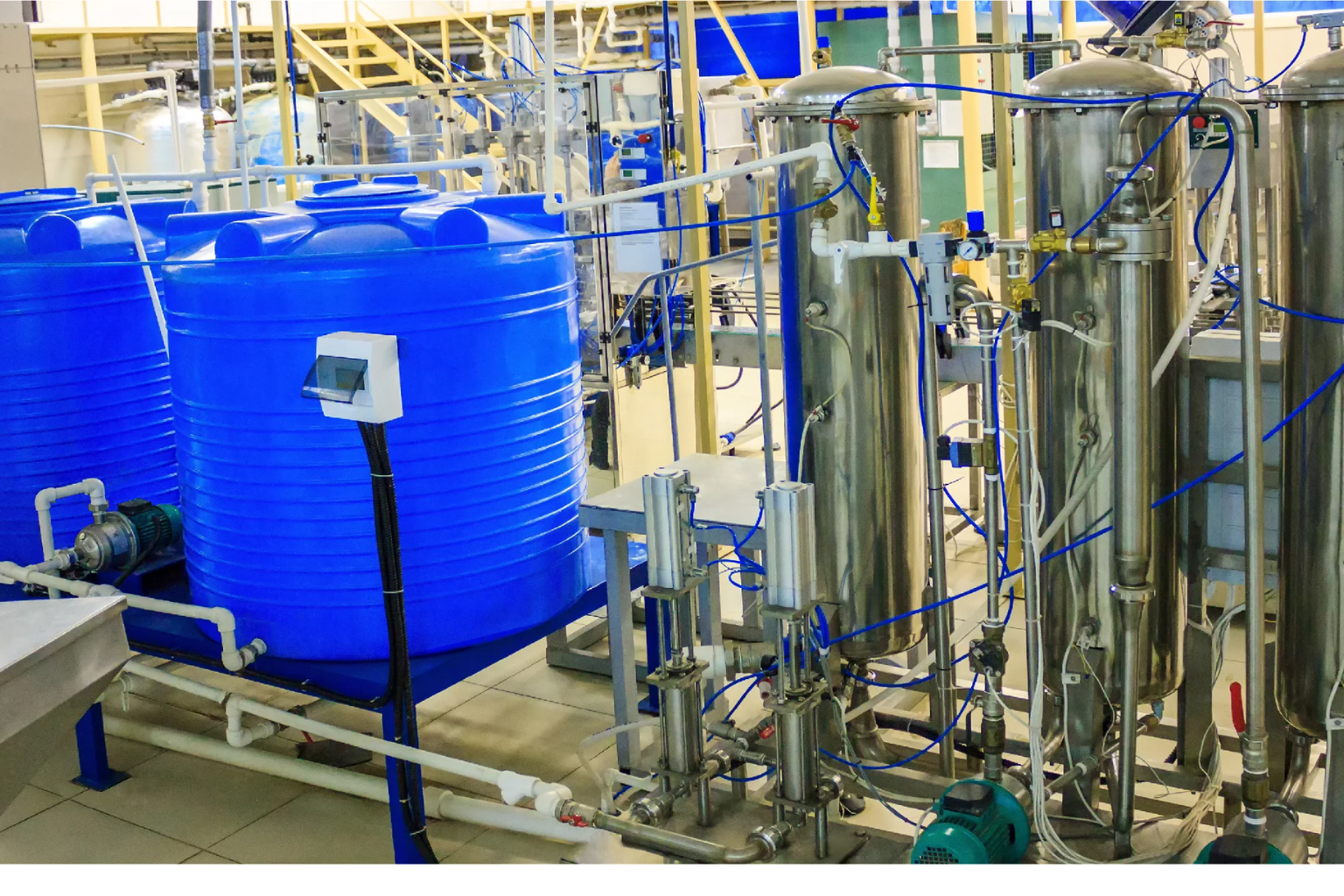
    This is where modern office water filtration units, high-capacity water filters, and professional commercial water filter installation come in. Not as some flashy upgrade, but as a smart, strategic move that pays off in more ways than you’d expect.


    The Hidden Hero of the Modern Office

    Think about how often water shows up in your office day. The morning coffee run? That’s water. The bottle refilled before a client meeting? Water. That quick splash to wake up your face in the bathroom mirror? You guessed it—water.

    Now multiply that across every employee, every day. It adds up.

    But here’s the kicker: if the water’s subpar—if it smells like chlorine, leaves scale in the kettle, or just tastes off—it quietly starts affecting everything from team satisfaction to appliance wear and tear.

    A reliable filtration system doesn’t just improve taste. It enhances workplace wellness, boosts environmental responsibility (hello, fewer plastic bottles), and helps preserve your equipment. And frankly? It just makes people happier.


    Why You Should Rethink the Office Cooler

    Traditional water coolers—you know the ones with giant jugs that get swapped out weekly—feel a bit outdated these days. They’re bulky, rely on constant delivery, and can be a pain to store and manage. Not to mention, they don’t do much to reduce your office’s plastic waste footprint.

    Modern office water filtration units take a totally different approach. They connect directly to your building’s water supply, filter on demand, and deliver cleaner, fresher-tasting water through bottleless systems. Some even come with hot and cold options built right in—perfect for making tea or that emergency Cup Noodles lunch.

    The best part? No more lifting awkward 40-pound jugs or waiting for deliveries to restock your cooler. The system just works.


    When It’s Time to Go Bigger: High-Capacity Filtration

    Smaller offices can get away with single-unit filters or under-sink setups. But what about companies with 50+ employees? Or coworking spaces, schools, restaurants, gyms?

    That’s where high-capacity water filters come into play. These are the workhorses of the filtration world—built to handle large volumes, high flow rates, and the kind of daily use that would overwhelm a typical household unit.

    These systems don’t just make water taste better—they also:

    • Remove chlorine, heavy metals, and sediment
    • Prevent scale build-up in appliances like coffee machines and dishwashers
    • Maintain strong water pressure even during peak use
    • Require less frequent maintenance thanks to long-lasting filters

    Whether you run a busy clinic or an industrial office space, these filters are designed to keep up.


    Why Professional Installation Matters

    Sure, you could try to DIY a water filter under the breakroom sink, but commercial spaces need something a bit more robust. And let’s face it—your IT guy probably doesn’t want to become the in-house plumber.

    That’s where commercial water filter installation comes in. When done right, you get more than just a box plugged into a pipe. You get:

    • A thorough water test to understand your building’s water quality
    • A custom system designed to fit your space and usage needs
    • Expert installation that ensures everything runs smoothly from day one
    • Scheduled maintenance and filter replacement so you’re never caught off guard

    Think of it like investing in your HVAC or security system. You want it to work well—and work without drama.


    The Extra Benefits You Might Not Expect

    Installing a filtration system isn’t just a utility upgrade. It changes the feel of the office. Employees tend to hydrate more, skip sugary drinks, and even chat more at the water station (hey, team bonding!). Guests get a better impression when the coffee tastes fresh, not funky.

    And then there’s the sustainability factor. Ditching single-use water bottles and disposable jugs? That’s a win for your green initiatives—and your budget.


    What to Look for When Choosing a System

    Not all filters are created equal. Here’s what to consider:

    • Volume – How many people will be using it daily?
    • Contaminants – What’s in your local water supply (chlorine, iron, lead, etc.)?
    • Flow rate – Will it keep up during lunch rush or morning coffee runs?
    • Maintenance – How often do filters need changing? Who handles it?
    • Scalability – Can it grow with your business or expand across floors?

    Working with a specialist can help you navigate these choices without the guesswork.


    Final Thoughts: Water That Works for You

    Your office doesn’t need to be a five-star resort, but it should offer the basics done well. Clean, filtered water is one of those things that quietly improves everyone’s day. It’s not flashy, but it’s noticed.

    Upgrading to office water filtration units, high-capacity water filters, commercial water filter installation isn’t about bells and whistles—it’s about providing the foundation for a healthier, happier, more efficient workplace.