Blog

  • Behind Every Great Home Is a Thoughtfully Made Door

    Behind Every Great Home Is a Thoughtfully Made Door

    There’s something unspoken about a well-designed door. You don’t always notice it at first glance—but you feel it. It’s the gentle weight as it swings open, the satisfying click when it shuts, the grain of the wood brushing against your fingers. It’s those little things that tell you: this isn’t just a door—it’s part of the home’s soul.

    We tend to overlook them, don’t we? Doors. We paint them white, slap on some hardware, and call it a day. But once you’ve seen the difference a custom-built door can make, there’s really no going back. Especially when we’re talking about custom interior doors, custom wood doors, custom entry doors—pieces crafted with purpose, style, and a hint of storytelling.


    Doors Are Not Just Dividers—They’re Design Anchors

    Think about it. You can have all the marble countertops, vaulted ceilings, and imported tile you want, but if your doors are flimsy or forgettable, the space feels… unfinished. In contrast, custom doors ground a room. They make statements without needing to be loud.

    Interior doors are especially underrated. They’re often walked past, but rarely seen. A solid walnut door with a matte finish in a quiet hallway? That’s not background noise. That’s a design feature. A rustic barn-style slider in a modern loft apartment? That’s juxtaposition done right.

    The best part? Custom means you’re not stuck with the standard. No more settling for hollow-core panels or builder-grade MDF. You get to choose the material, the texture, the color, the hardware—every single detail is yours to define.


    The Warmth and Integrity of Real Wood

    There’s a reason real wood still reigns supreme. It’s alive. It breathes. It carries history in its rings and stories in its imperfections. Whether you lean toward warm-toned mahogany, rich cherry, or the more subtle elegance of ash or birch, custom wood doors bring something irreplaceable to a home: depth.

    Even the smell—have you ever caught the scent of fresh-finished oak when you open a new door for the first time? There’s something grounding about it. Like home. And that richness deepens with time, as the wood picks up character from sun and seasons and hands that open it daily.

    And don’t think wood means you’re locked into a rustic aesthetic. Clean, modern, geometric designs pair beautifully with natural materials. The warmth of wood against cool concrete or smooth steel is a balance that designers dream about.


    Making the Right First Impression

    Your front door? It’s the handshake before the hug. The moment when a guest—or even a delivery driver—forms a first impression of your home. So why not make it meaningful?

    A custom entry door can be dramatic, welcoming, serene, or bold. Oversized pivot doors, arched transoms, textured panels with glass inserts—there are endless ways to express style and personality without saying a word.

    It’s not just aesthetics, either. Entry doors are the protectors of your space. Going custom allows for reinforced cores, multi-point locks, weatherproofing, and even smart access systems, all while maintaining a cohesive look.

    Security meets sophistication. And that’s the kind of combination that ages well.


    Functionality Meets Personal Touch

    Some people choose custom doors to fit odd-sized openings or address architectural quirks. Others choose them for purely visual reasons. But most homeowners land somewhere in the middle. They want something that works better and looks better—and that’s where custom really shines.

    Maybe you want soundproofed office doors for work-from-home days. Or maybe you’ve got a quirky old farmhouse where nothing’s level, and standard doors just don’t quite close right. Or maybe you’ve just seen one too many white six-panel doors to stand another one.

    Whatever the reason, the process of working with doormakers—yes, real craftspeople—is surprisingly collaborative. You bring your ideas (or even just a vibe), and they help you refine the vision into something tactile. Something you’ll use every single day.


    It’s the Details That Linger

    Beveling on the edge of a panel. The feel of an antique bronze handle. A whisper-quiet swing from a high-end hinge. The kind of door that doesn’t creak or rattle when the wind shifts. These things aren’t about showing off—they’re about creating spaces that feel finished. Spaces that feel loved.

    We don’t always remember what someone’s ceiling looked like. But we remember the way their front door opened. How it made us feel. And those memories? They matter.


    Final Words (And Openings)

    In the rush to decorate our homes, it’s easy to treat doors like an afterthought. But they’re anything but. They’re what separate spaces—and sometimes lives. They keep things private, safe, or simply quiet. They welcome people in and gently keep the world at bay.

    So maybe it’s time we stop thinking of doors as just doors. They’re not just a way in or out. They’re part of the heartbeat of your home. And when you choose custom interior doors, custom wood doors, custom entry doors, you’re not just upgrading a feature. You’re investing in the way your home feels.

  • Beyond the Faucet: Why Carlsbad Plumbers Are Your Unsung Home Heroes

    Beyond the Faucet: Why Carlsbad Plumbers Are Your Unsung Home Heroes

    Let’s face it—plumbing isn’t something most people like to think about. You turn on the faucet, water comes out. You flush the toilet, it goes away (hopefully). End of story. That is, until it doesn’t. When water starts backing up into your shower, your kitchen sink refuses to drain, or you suddenly find yourself ankle-deep in water at 11 p.m.—yeah, that’s when plumbing suddenly becomes very important.

    In Carlsbad, New Mexico, where homes face everything from scorching summer heat to hard water build-up, plumbing isn’t just about convenience—it’s about survival. Your pipes, drains, and fixtures are the unseen system that keeps your daily life running smoothly. And when something goes sideways, you’ll want someone local, experienced, and reliable to step in and make it right.

    This is where Carlsbad plumbers prove their worth. And trust me, if you haven’t needed one yet, chances are—you will.


    The Challenges of Plumbing in the Southwest

    If you’re new to Carlsbad, here’s something you’ll learn fast: New Mexico plumbing isn’t exactly a walk in the park. We’ve got some pretty specific challenges here that make local know-how not just a bonus—but a necessity.

    First off, there’s the water itself. Carlsbad is known for hard water—that means it’s packed with minerals like calcium and magnesium. Over time, that buildup clogs pipes, wrecks water heaters, and leaves fixtures looking crusty no matter how much you clean. Not only that, but it shortens the life of your appliances and can really mess with your water pressure.

    Then there’s the landscape. Many Carlsbad homes are built on shifting soil, which—over the years—can wreak havoc on underground water and sewer lines. Add in dramatic temperature swings and seasonal storms, and you’ve got a cocktail of conditions that can stress your plumbing system in ways outsiders often don’t understand.

    That’s where experienced NM plumbers come in. The ones who’ve lived and worked in the region. They know these problems before they even show up on your radar—and they’ve got tried-and-true solutions for handling them efficiently.


    What a Good Local Plumber Actually Does

    Contrary to popular belief, plumbers aren’t just the folks who show up to unclog your toilet (though they definitely do that, too). Good plumbers are part technician, part detective, and—when things go really bad—a bit of a therapist.

    They handle a wide range of services:

    • Emergency repairs when the water’s flying and you need help now
    • Water heater installation and maintenance, including tankless systems
    • Re-piping, especially in older homes with outdated materials
    • Sewer line inspections and trenchless repairs
    • Drain cleaning and hydro jetting
    • Water filtration system installs to battle that stubborn hard water
    • Kitchen and bathroom remodel plumbing
    • Gas line plumbing for stoves, dryers, and more

    But beyond the services, it’s about trust. A great plumber will walk you through what’s happening, explain your options, and be honest about costs and timelines. They won’t try to upsell you on things you don’t need, and they’ll treat your home with respect—like it’s their own.


    Why Local Is Always Better

    Sure, you could call a big-name chain from Albuquerque or even El Paso. They might show up eventually. But here’s the thing: they don’t know Carlsbad.

    They don’t know the quirks of a house built in the ’50s with galvanized piping. They haven’t seen how the water behaves on your side of town. They don’t understand how the monsoon season shifts soil and backs up drainage lines.

    Local plumbers? They know. Because they live here too. They’ve seen what happens after a heavy rain. They’ve dealt with busted water mains in 100-degree heat. They’ve worked on your neighbor’s house, your coworker’s rental property, your cousin’s new build.

    And when something goes wrong at your place? They’ll pick up the phone, even after hours. That kind of reliability isn’t something you can get from a national franchise.


    How to Pick the Right Plumber in Carlsbad

    Okay, so you’ve decided to hire local. Great choice. Now, how do you know you’re calling the right one?

    Here’s a quick checklist:

    • Are they licensed and insured? This protects both of you.
    • Do they have solid reviews from local homeowners? Look for people who’ve had similar jobs done.
    • Do they offer upfront pricing? You want transparency, not guesswork.
    • Are they responsive in emergencies? Plumbing waits for no one.
    • Do they explain things in a way that makes sense? You shouldn’t need a dictionary to understand your own plumbing.

    And remember: a good plumber won’t make you feel rushed. They’ll take time to understand your home’s setup, ask questions, and offer practical, budget-conscious advice.


    Final Thoughts: Plumbing Is the Backbone of Your Home

    When it works, you barely notice it. But when it doesn’t? Oh, you notice. Plumbing touches every part of your home—from the moment you brush your teeth to your nightly load of laundry. And here in Carlsbad, where the environment throws extra curveballs, having a plumbing system that’s built (and maintained) to last is no small thing.

    So whether you’re dealing with a plumbing emergency, planning a remodel, or just looking for someone to give your system a once-over, don’t wait until you’re knee-deep in a mess.

    Call your local expert. The kind of plumber who brings not just tools, but experience, patience, and pride in doing the job right.

    Because when it comes to carlsbad plumbers and dependable nm plumbers, it’s not just about stopping leaks. It’s about keeping life flowing smoothly, one faucet at a time.

  • Where Pipes Meet Pride: The Unsung Heroes of Denver City, Texas Plumbing

    Where Pipes Meet Pride: The Unsung Heroes of Denver City, Texas Plumbing

    There’s something gritty and honest about life in West Texas. The land stretches wide, the skies feel endless, and the people? Well, they’re the kind who still shake hands and mean it. But under the dust and charm of small-town living, life comes with its own set of challenges—especially when something breaks. And when it comes to home problems, plumbing is one of those things you don’t think much about… until it’s suddenly all you can think about.

    Burst pipe at 6 a.m.? No hot water on a Sunday morning? Gurgling toilet during the family barbecue? If you’ve been there, you know. That’s when you need someone who knows more than just the difference between PVC and copper. You need someone who understands West Texas homes, soil, water quality, and—maybe most importantly—how to show up when they say they will.

    Welcome to the world of Denver City Texas plumbers—hardworking, locally rooted pros who keep your water running, your drains flowing, and your life moving forward.


    Plumbing in Denver City Isn’t Just Business. It’s Personal.

    Here’s the thing about small towns like Denver City: people notice who does a good job—and who doesn’t. Word gets around fast. That’s why local plumbers have more than their reputation at stake. They’re not faceless contractors driving in from somewhere else. They’re your neighbors. They go to the same schools, shop at the same grocery store, maybe even sit next to you at Friday night football.

    And because of that, Denver City plumbing pros bring a little more care to the table. They’re not just patching leaks—they’re protecting homes they care about. That kind of pride matters.


    Unique Challenges of West Texas Plumbing

    Not all plumbing problems are created equal—and not all regions experience them the same way. In West Texas, there are a few recurring themes that plumbers see all too often:

    • Hard water: West Texas has notoriously hard water, loaded with minerals that love to build up in pipes, water heaters, and fixtures.
    • Soil movement: Dry seasons followed by heavy rains can cause shifting in the soil, which means shifting in underground plumbing. Cue the unexpected slab leaks.
    • Aging infrastructure: Some homes in Denver City were built decades ago and still rely on old galvanized or cast-iron plumbing systems. That’s great—until it’s not.
    • Extreme temperature swings: Cold nights can freeze pipes fast, especially in homes with exposed or shallow plumbing.

    The upshot? You want a plumber who’s not just certified, but seasoned—someone who’s worked on a little bit of everything and seen how these local quirks show up in real-time.


    What a Good Plumber in Denver City Really Offers

    Let’s get something straight—being a plumber isn’t just about showing up with a wrench and a YouTube tutorial. It’s about training, problem-solving, and a weird sixth sense for finding leaks behind walls without tearing your entire house apart.

    Great plumbers don’t just fix what’s broken. They diagnose, explain, and prevent.

    That means:

    • Checking for signs of corrosion, even if the initial job is just a clogged drain
    • Inspecting water pressure before replacing a water heater
    • Helping homeowners understand how to flush their system to prevent mineral buildup
    • Knowing the ins and outs of Denver City plumbing codes and permit processes

    It’s about seeing the whole picture—not just the busted pipe right in front of them.


    Services That Go the Extra Mile

    While many homeowners just think of plumbers as the people to call when the toilet’s overflowing, there’s a long list of services they actually cover—especially in West Texas.

    We’re talking:

    • Water heater repair and installation (tank and tankless)
    • Drain cleaning and hydro-jetting
    • Sewer line inspections and repairs
    • Water softener and filtration system installs (a must for hard water)
    • Gas line repairs and appliance hookups
    • Whole-home repiping
    • Slab leak detection and repair

    And let’s not forget emergency service. Because when a pipe bursts in the middle of the night, you want a plumber who isn’t afraid to answer the phone—and who’ll treat your home like it’s their own.


    West Texas Plumbers: Salt of the Earth with Skills to Match

    There’s a reason West Texas plumbers are in high demand. The mix of rural know-how and hands-on experience creates a different kind of tradesperson. These are folks who’ve worked on ranches, trailers, farmhouses, new construction—you name it. They’ve learned to solve problems fast, think on their feet, and come up with creative solutions that work in the real world, not just in theory.

    They don’t oversell, they don’t overcomplicate, and they don’t disappear halfway through the job. That kind of consistency may be rare in some places—but in West Texas, it’s expected.


    Final Thoughts: Plumbing That Keeps the West Moving

    Here’s the truth: good plumbing might not be glamorous, but it is essential. It’s hot showers at the end of a long day, clean dishes after a family meal, and the peace of mind that comes from knowing your home’s bones are solid.

    So if you’re in Denver City, Texas—or anywhere across the dusty, sun-baked stretches of West Texas—don’t wait for a disaster to hit. Build a relationship with your local plumber now. Get a system check. Ask about that rattling sound. Have them look at your water heater before it goes cold mid-winter.

    Because when the dust settles (and it always does), you’ll want someone in your corner who knows your home, knows your needs, and knows their way around a wrench better than anyone else.

    And when it comes to denver city texas plumbers, west texas plumbers, denver city plumbing, that kind of reliability isn’t just appreciated—it’s essential.

  • Soft Water, No Heavy Lifting: Why Salt Delivery in Utah Is the Convenience You Didn’t Know You Needed

    Soft Water, No Heavy Lifting: Why Salt Delivery in Utah Is the Convenience You Didn’t Know You Needed

    There’s something oddly satisfying about the quiet hum of a water softener doing its thing. No clunking pipes, no crusty faucets, no chalky residue left behind on your glassware. If you live in Utah, especially in areas like St. George, Salt Lake, or anywhere along the Wasatch Front, a water softener isn’t a luxury—it’s a necessity.

    But there’s one thing about owning a softener that’s, well… not so satisfying: lugging around those giant, 40-pound salt bags. Anyone who’s ever tried to haul a few from the car, through the garage, and into the utility room without spilling crystals all over the place knows exactly what I’m talking about.

    Enter a growing local hero: salt water delivery Utah homeowners and businesses are starting to swear by. It’s a simple solution to an irritating chore. And the best part? You don’t have to lift a thing.


    Why Water Softeners Matter in Utah

    Let’s start with the obvious. Utah is notorious for its hard water. We’re not talking “meh, kinda hard.” We’re talking off-the-charts mineral content that turns showerheads into science experiments and ruins coffee makers in record time.

    That’s why water softeners are everywhere—from small homes to bustling commercial kitchens. They help protect plumbing, extend the life of appliances, and make water just feel better. But to keep working, those systems need a steady diet of softener salt. And unless you’ve got a clone of yourself who loves back strain, it’s probably not your favorite errand.


    What Is Salt Delivery, Anyway?

    Salt delivery is exactly what it sounds like: a reliable salt delivery service that brings softener salt straight to your door—or better yet, straight to the brine tank.

    Most services operate on a schedule that fits your household’s or business’s needs. They’ll show up, restock your softener, and even haul away the empty bags. No mess, no missed refills, no last-minute trips to the hardware store.

    It’s the kind of modern convenience that sneaks up on you. One month you’re buying salt bags like usual; the next, you’re wondering why you didn’t hand off this task years ago.


    Who Benefits from Salt Delivery?

    Honestly? Just about everyone.

    • Busy households. Between school drop-offs, grocery runs, and soccer practice, who has time to stock up on salt?
    • Elderly homeowners. Lifting heavy bags isn’t just annoying—it can be unsafe.
    • Businesses with high water usage. Restaurants, gyms, medical clinics—any place where water quality matters needs regular salt replenishment without the hassle.
    • Vacation homes. Live part-time in Park City or have a second property in southern Utah? A delivery service ensures your softener keeps running even when you’re not around.

    Even if you’re physically capable of doing it yourself, that doesn’t mean you should. Time is valuable. And honestly, there are better things to carry than a 40-pound sack of crystals.


    What to Look for in a Salt Delivery Service

    Not all services are created equal. Some are bare-bones—drop the bags and leave. Others are full-service, checking system levels, topping things off, and keeping track of how much you’ve used.

    Here’s what you’ll want in a provider:

    • Flexible scheduling. Monthly, bi-monthly, or on-demand options to match your usage.
    • Reliable communication. You should know when they’re coming and what you’re being billed for.
    • Full-service refill. Bonus points if they’ll carry the salt in and pour it for you.
    • Locally aware. A company that understands Utah’s hard water quirks is way more helpful than a generic national chain.

    Pro tip: Some companies also offer bulk discounts or partner with home maintenance services to make your life even easier. It’s worth asking.


    The Environmental Angle

    You might be wondering—is all this delivery better for the environment? Surprisingly, yes. When services run efficient delivery routes, they cut down on individual trips to stores, not to mention the gas you’d burn hauling bags back yourself.

    Plus, many local companies are going green with recyclable bags or reusing materials. And if they’re already checking your system while on-site? Fewer problems down the line, less water wasted from faulty regeneration cycles.


    A Small Change That Feels Big

    We tend to overlook the small chores that eat into our week—hauling groceries, changing filters, buying salt. But when even one of those is taken off your plate? It adds up.

    Having someone else handle your softener salt isn’t about laziness. It’s about recognizing that modern life is hectic, and anything that gives you more time—and fewer backaches—is worth it.

    So if you’re tired of dragging those clunky bags through your garage, or you’ve missed one too many refills and ended up with hard water havoc, maybe it’s time to delegate the task once and for all.


    Final Scoop: Make Soft Water Simple Again

    Water softeners are brilliant. Salt bags? Not so much. And the good news is, you don’t have to keep carrying the load—literally or figuratively.

    By choosing a trusted salt water delivery Utah service, you’re saving time, protecting your investment, and giving yourself one less thing to think about. And in a world that never stops moving, that’s the kind of convenience we can all get behind.

  • Buying, Selling, or Merging a Business? Here’s Why You Don’t Want to Do It Alone

    Buying, Selling, or Merging a Business? Here’s Why You Don’t Want to Do It Alone

    There’s a strange moment that hits many business owners or investors. A spark of possibility, a moment of clarity. Maybe you’ve grown your company to a point where you’re ready to exit. Maybe you’re eyeing that competitor down the road who’s quietly crushing it. Or maybe, just maybe, you’re thinking: It’s time to grow faster… or step away smarter.

    But here’s the kicker—no matter how sharp you are, how many deals you’ve seen, or how long you’ve run your company, navigating a merger, acquisition, or business sale isn’t something you want to tackle solo. That’s where a mergers and acquisitions advisor comes in. And not just as a luxury. As a necessity.

    Let’s dig into why.


    M&A Isn’t Just a Deal—It’s a Journey (Sometimes a Messy One)

    Here’s what most people don’t realize: M&A is less like buying a car and more like entering a short-term marriage—with financials, lawyers, negotiations, emotions, and plenty of unexpected baggage. You’re dealing with valuation models, confidentiality agreements, due diligence, tax implications, and the psychology of letting go or taking over.

    Sounds romantic, right?

    That’s why advisors exist. A great business acquisition advisor won’t just toss you a checklist and send you on your way. They roll up their sleeves and walk you through the chaos—planning your exit (or entry), finding the right partner or buyer, setting fair expectations, managing the delicate bits of negotiation, and keeping things from going off the rails.

    They’ve seen the deal-killers before. They know the red flags, the paperwork nightmares, and the tiny details that can shift millions of dollars in or out of your pocket.


    Why Business Owners Shouldn’t Go It Alone

    Let’s say you’re selling your business. You built it from scratch. You know your customers by name. Maybe your name’s on the building. You also know it inside and out… but that doesn’t mean you know what buyers are looking for.

    That’s the problem.

    Most business owners undervalue or overvalue their company—sometimes wildly. They may get emotionally attached to what they’ve built, which makes negotiations tricky. And they often assume they can just “find a buyer” and work it out.

    Here’s the truth: the right buyer may not even be looking yet. But your advisor knows where to find them. And they know how to make your business look like an opportunity—not just a set of financials.


    For Buyers, It’s Even Trickier

    On the flip side, if you’re looking to buy? You’re entering a space filled with hidden variables. Not every seller tells the whole story. Not every opportunity is as good as it looks on paper. And let’s be honest—do you really have time to evaluate deal after deal while also running your current company?

    An experienced advisor can screen businesses, vet financials, spot gaps in operations or culture, and tell you what’s worth pursuing—and what’s best left alone.

    They also know how to structure deals that don’t just close, but thrive afterward.


    The Human Side of M&A (Yep, It Matters)

    The best advisors aren’t just great at finance—they’re great with people.

    Why does that matter?

    Because you’re not just selling assets. You’re handing over leadership. Employees are wondering if they’ll still have jobs. Buyers are wondering if you’re hiding skeletons in the closet. And everyone’s a little anxious.

    The right advisor knows how to manage all of that. They keep the process professional, but human. They know when to push and when to pause. When to hold firm, and when to smooth things over. They’re part financial whisperer, part psychologist.

    And when things go sideways (because they often do)? They’re the steady hand in the room, keeping the deal alive without sacrificing your goals.


    Not All Advisors Are Created Equal

    Let’s be clear: “advisor” is a broad term. There are M&A firms that operate like turnstiles—high volume, low personalization. Then there are boutique firms that take fewer clients but go deep.

    If you’re thinking of selling or buying, here are a few signs of a quality advisor:

    • They ask a lot of questions before making any promises.
    • They don’t guarantee a deal—because good ones don’t always close, and they’ll tell you that.
    • They understand your industry—or take the time to learn it well.
    • They have a network. Not just buyers and sellers, but tax pros, attorneys, lenders, and strategists.
    • They give you options, not pressure.

    When Should You Call One?

    Honestly? Sooner than you think.

    If you’re even considering a sale in the next 12 to 24 months, now’s the time to start talking. There’s no pressure to list or commit, but you can start preparing—financially, operationally, and mentally.

    Same goes for buyers. You don’t want to be scrambling when the perfect opportunity hits your inbox. A smart advisor will help you get clear on your criteria and keep you informed without wasting your time.


    Wrapping It Up: Get the Right Help for the Right Move

    Selling a business. Buying a company. Merging two operations. None of it’s small stuff. These aren’t just transactions. They’re transformations. And they deserve more than a DIY approach or a back-of-the-napkin plan.

    Whether you’re stepping into something new or stepping out of something you’ve built with your whole heart, a mergers and acquisitions advisor, business acquisition advisor can make all the difference.

    Not just in what you walk away with—but in how you feel about it afterward.

    Because the best deal isn’t just the one that closes. It’s the one that feels right long after the ink is dry.

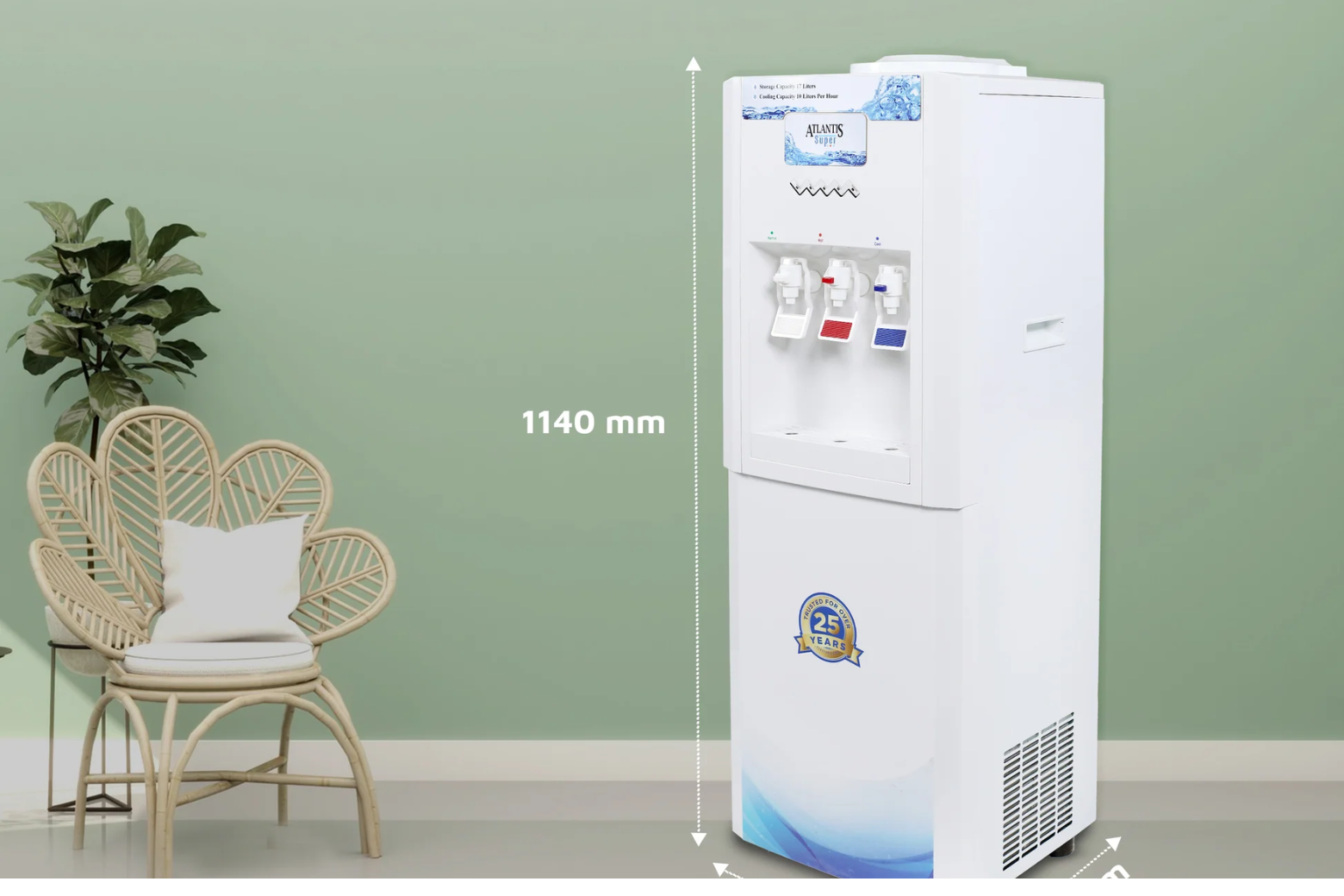
  • Cool, Clean & Always There: Why the Humble Water Cooler Deserves More Respect

    Cool, Clean & Always There: Why the Humble Water Cooler Deserves More Respect

    There’s something oddly comforting about that soft glug-glug sound as you fill your glass. Whether it’s in an office corner, a family kitchen, or your dentist’s waiting room, there it stands—quiet, steady, reliable. Yep, we’re talking about the water cooler.

    It’s not flashy. It doesn’t buzz with notifications or connect to Bluetooth. But it’s one of those background heroes that quietly makes life better. And honestly? It’s time it got a little more love.

    A Familiar Fixture That’s Evolved

    Back in the day, a water dispenser was a big clunky unit that you’d awkwardly tip a 5-gallon jug into, hoping you didn’t spill half of it on the floor. It hummed. It leaked. It was there—but let’s face it—it wasn’t exactly elegant.

    Fast forward to now, and water coolers have gotten a glow-up. We’re talking sleek, minimalist designs that blend into any modern space. Touchless features. Built-in filtration. Hot and cold taps. Some even offer sparkling water on demand (fancy, right?). It’s more than just a hydration station. It’s a convenience device, a health habit enabler, and, believe it or not, a bit of a style piece.

    Why It’s More Than Just “Nice to Have”

    We all know we’re supposed to drink more water. “Eight glasses a day!” they say. But let’s be honest—it’s easier said than done. And when your only option is lukewarm tap water from a grimy sink, motivation drops fast.

    That’s where a water cooler dispenser really shines. The water’s already cold (or hot if you’re into tea or instant noodles). It’s filtered. It tastes good. And because it’s right there, accessible, and inviting—you drink more. It’s that simple.

    In a way, it becomes a small lifestyle shift. You start reaching for water more often. Maybe you refill your bottle instead of buying another sugary drink. You feel a bit better. Your skin maybe looks clearer. And you didn’t even do anything big. That’s the magic of it—it changes the habit without you even noticing.

    Not Just for Offices Anymore

    Once considered a purely corporate fixture (you know, where office gossip and awkward small talk happened), the water dispenser has found its way into homes, gyms, co-working spaces, cafés—you name it.

    And there’s a reason why: people are realizing that easy access to clean, cold water makes a huge difference. Families love them because kids are more likely to hydrate when it’s fun and easy. Remote workers appreciate not having to walk to the kitchen and wait for the tap to run cold. Fitness folks get quick refills between reps.

    It’s all about convenience meeting health, wrapped in a tidy little machine.

    Choosing the Right One (Without Overthinking It)

    Like most things nowadays, shopping for a water cooler can get a little… intense. There are top-loaders, bottom-loaders, bottleless systems, countertop versions, and even smart dispensers that let you set custom temperatures.

    Here’s the trick: think about your space and your lifestyle. Don’t get caught up in bells and whistles you’ll never use. If it’s going in your home office or small apartment? A compact, energy-efficient model might be perfect. Running a busy gym or large household? Go for a high-capacity, dual-temperature beast that can keep up.

    And don’t forget maintenance. Most modern dispensers are pretty low-maintenance, but they do need occasional cleaning. Bottleless models with built-in filters also require regular replacements. But hey—clean water’s worth a little effort, right?

    Quietly Revolutionary

    We often talk about wellness in terms of dramatic changes: new diets, gym memberships, tech gadgets that track every step and heartbeat. But sometimes the biggest difference comes from the smallest shifts.

    A water cooler doesn’t shout “look at me!” It just stands there. Ready. Waiting. Encouraging you to make the healthier choice without saying a word.

    It becomes part of your day: morning cup of tea, mid-afternoon cool-down, post-dinner refill. A gentle nudge toward better hydration, better habits, better health.

    And sure, it’s not glamorous. It won’t trend on social media. But it’ll quietly earn its place in your routine—and once it’s there, you’ll wonder how you ever lived without it.

    The Bottom Line

    So here we are, giving long-overdue respect to one of the most underrated appliances in your life. Whether you’re chasing hydration goals, ditching plastic bottles, or just tired of waiting for the tap to get cold, a water cooler dispenser can make your daily routine a little smoother, a little healthier, and a lot more convenient.

    Sometimes, the best upgrades aren’t loud or dramatic. They’re the ones that quietly support you every day—one cool, crisp glass at a time.

  • The Real Backbone of Tucson’s Elder Care: A Closer Look at Long-Term Care Pharmacies

    The Real Backbone of Tucson’s Elder Care: A Closer Look at Long-Term Care Pharmacies

    If you’ve ever tried coordinating medication for a loved one in assisted living, you already know the drill — it’s a puzzle. Not the fun kind, either. More like one where half the pieces are missing and the other half keep changing shape. Between doctors tweaking prescriptions, insurance surprises, and the actual day-to-day of administering meds, it’s a lot. And that’s just one resident.

    Now imagine managing meds for an entire facility.

    This is exactly why long-term care pharmacies exist. And if you’re in Southern Arizona and googling around for answers, chances are you’ve come across Pharmcare Tucson — one of those rare companies that’s not trying to be everywhere, just trying to be really good where they are.

    Tucson’s healthcare landscape is a blend of high demand and high stakes. The population’s aging, chronic illness is common, and healthcare staffing shortages are just part of the reality. So when a long-term care facility partners with a pharmacy, that relationship better be rock solid.

    That’s where long term care pharmacy Tucson options like Pharmcare come in.

    Unlike traditional retail pharmacies — you know, the ones with endless aisles of shampoo and gum — long-term care pharmacies don’t focus on walk-ins or casual one-time fills. They’re built for consistency. For systems. For supporting skilled nursing, assisted living, and memory care teams that need more than a pill bottle and a “have a nice day.”

    Pharmcare Tucson specializes in exactly that. Their whole operation is tailored around the often-overlooked complexity of long-term medication management. They don’t just drop off a box of meds and leave it to staff to sort it all out. They organize it. Streamline it. Double-check it. Repack it if necessary. And most importantly? They communicate.

    That last one might be the most underrated quality of all. Because in this world, things change fast. Residents switch doctors. Medications get swapped. A late fax becomes a big problem. And if the pharmacy isn’t responsive? You’re left holding the bag. Literally and metaphorically.

    A facility administrator in Pima County once put it like this: “There are pharmacies that deliver pills. And then there are pharmacies that deliver care. Pharmcare does the second one.”

    It’s in the little things — sending consultants to review medication charts. Helping train new staff on how to use their packaging systems. Flagging risky drug interactions before they become incidents. That’s not just helpful. That’s safety. That’s trust.

    And they don’t just operate in a vacuum. Pharmcare Tucson has built their systems to sync with electronic MARs (medication administration records), so updates and reorders are trackable, transparent, and easy to reconcile. It’s the kind of boring backend tech that nobody brags about — but anyone in long-term care knows it’s a lifesaver.

    Let’s not sugarcoat it though: this work isn’t flashy. It doesn’t make headlines or viral videos. No one’s lining up to livestream a med pass. But it’s the kind of work that holds everything else together — quietly, consistently, without a lot of applause.

    And there’s something kind of beautiful about that.

    Here’s the thing: the people who need long-term care — whether it’s temporary post-surgical rehab or the final chapter of a long life — deserve to be surrounded by professionals who give a damn. Pharmacies included. Because it’s not just about getting the right meds in the right bottle. It’s about seeing the whole person. About catching a mistake before it spirals. About making a nurse’s life 10% easier on a Friday night when she’s covering two wings and one of her med carts is acting up.

    That kind of reliability? It’s not extra. It’s the job.

    And Pharmcare Tucson seems to get that.

    One facility nurse shared how their switch to Pharmcare made her feel “like someone finally understood what our workday actually looks like.” That says a lot. When a pharmacy gets the reality — not just the theory — of long-term care, it shows in every part of the service.

    To be fair, no system is perfect. Stuff happens. Deliveries get delayed. Paperwork goes missing. But the difference is in how quickly problems get fixed — and whether or not you’re treated like a priority in the process. Pharmcare’s reputation, at least locally, suggests they lean in rather than disappear.

    So, if you’re in Tucson and looking for a pharmacy partner that specializes in long-term care — one that doesn’t just say it’s different but actually works like it is — it might be time to take a closer look at Pharmcare.

    Because behind every smoothly run care facility, behind every on-time dose and clearly labeled blister pack, there’s a team like pharmcare tucson doing the not-so-glamorous work of making it all come together.

    And in this field? That’s the kind of partner you want.

  • Design That Works: Why Office Interiors Deserve More Than a Coat of Paint

    Design That Works: Why Office Interiors Deserve More Than a Coat of Paint

    Let’s be honest—most office spaces feel like they were designed as an afterthought. Rows of desks, some cold lighting, maybe a pop of wall art if someone felt creative. Functional? Sure. Inspiring? Not exactly. But in a world where work and well-being are more connected than ever, the places we work need to do more than just house desks and conference calls.

    They need to support energy, spark collaboration, and actually feel… good.

    That’s where thoughtful office interior design steps in. And in places like Minneapolis—where creative industries, tech startups, and legacy firms all share the cityscape—it’s no longer just a nice-to-have. It’s part of the culture.


    Offices Are More Than Just Where Work Gets Done

    Think about it. You walk into a well-designed restaurant and instantly feel the vibe. You get comfortable, you settle in, you stay. But offices? For decades, they’ve been stuck in this gray-zone limbo between function and indifference.

    And then something shifted. We realized space affects mood. Layout influences communication. Lighting impacts focus. Suddenly, office design became less about what filled the room—and more about how the room made people feel.

    It’s not just about giving people chairs and monitors. It’s about giving them a setting that supports their creativity, their comfort, their flow. A smart office interior designer knows this.


    What “Designing for Work” Really Means

    You don’t have to be a Fortune 500 company to invest in a better workspace. In fact, smaller businesses often benefit even more from great design because every inch matters. Fewer square feet means each decision carries weight—every layout tweak, color choice, and furniture selection impacts how your team moves and interacts.

    A well-thought-out interior considers:

    • Lighting that energizes instead of fatigues.
    • Furniture that supports posture without sacrificing style.
    • Acoustics that allow both focused work and team conversation.
    • Zones for collaboration, quiet time, breaks, and impromptu chats.

    None of this happens by accident. It happens with intention—and often, with the help of a pro who lives and breathes workspaces.


    The Minneapolis Factor

    There’s something about Minneapolis—its blend of Midwestern grit and creative edge—that makes it a prime spot for bold, smart design. Offices here aren’t trying to outshine New York or mimic the West Coast. They’re carving out their own style: warm, welcoming, efficient.

    Whether it’s a converted warehouse in the North Loop, a modern glass box downtown, or a co-working space tucked into an old building near St. Paul, the vibe is consistent—purposeful, authentic, and human.

    That’s what makes office interior design Minneapolis such an exciting field. Designers here understand the climate (both seasonal and cultural), and they know how to create spaces that feel rooted and relevant.

    They know that during the long winter months, people need warmth—not just from the heater, but from textures, tones, and atmosphere. They know how to work with natural light, exposed brick, tall ceilings, and tight corners.

    And they know how to bring life into what could otherwise feel like just another Monday.


    Function, But Make It Beautiful

    One of the myths that stops businesses from investing in design is the idea that beauty and function are somehow at odds. As if having a good-looking office automatically means sacrificing practicality.

    Let’s kill that myth right now.

    Great design is both. It’s the way a couch in a breakout area invites conversation. The way a simple plant wall boosts morale. The way muted tones and soft materials reduce stress.

    A good interior designer office approach considers all of this. It’s not about flash. It’s about flow. The feeling of “this space works for us” when you walk in and see it all come together.


    Not Every Office Has to Look the Same

    There’s no one-size-fits-all blueprint. Some teams thrive in open-plan layouts. Others need quiet nooks and privacy. Some crave color and movement. Others want simplicity and calm.

    The best designers ask before they draw. They observe. They interview. They walk the space and ask weirdly specific questions like “Do your employees tend to snack at their desks or eat in a break room?” Because those answers? They shape everything.

    The result isn’t just a beautiful office. It’s a useful one. A space that serves the people in it, instead of just housing them.


    Design as a Business Decision

    If you’re still wondering whether now’s the time to upgrade your office, here’s a question worth asking: how much does your space reflect your values?

    If your culture is creative, does your space say that? If you pride yourself on collaboration, does your layout support it? If you want to attract top talent, does your workplace feel worth showing off?

    Design isn’t fluff. It’s branding. It’s functionality. It’s retention. It’s clarity.

    And if you’re in Minneapolis, searching for help to make it happen, you don’t have to look far. This city is full of talented, practical designers who know how to bridge style with business sense.

    In fact, you might just stumble on your ideal interior designer office, office interior designer, office interior design Minneapolis connection while scrolling between meetings.


    Final Thoughts: Make Room for What You Value

    Your office is a reflection of what matters to you. Whether it’s collaboration, creativity, efficiency, or calm, your space should reflect that intention.

    You don’t need a massive overhaul. You don’t need to break the bank. You just need a design that fits your team, your work, and your values.

    Because at the end of the day, good design doesn’t just look good—it works hard behind the scenes to make everything else better.

    And really, isn’t that what a great office is all about?

  • Understanding the Science of Skin Aging and Effective Prevention Methods

    Understanding the Science of Skin Aging and Effective Prevention Methods

    The quest to maintain youthful skin has driven beauty innovation for centuries, but modern dermatological science has transformed our understanding of skin aging from myth to measurable biological processes. This evolution gives us unprecedented ability to prevent and address visible aging signs through evidence-based approaches rather than empty promises.

    The Biology of Skin Aging

    Skin aging occurs through two distinct but interrelated processes: intrinsic (chronological) aging and extrinsic (environmental) aging. Intrinsic aging represents the natural, genetically-programmed process that occurs regardless of external factors. Beginning in our twenties, collagen production decreases approximately 1% annually, while elastin fibers gradually lose their resilience.

    At the cellular level, several key changes characterize intrinsic aging:

    • Decreased cell turnover rates, extending from 28 days in youth to 40-60 days in mature skin
    • Reduced sebum production, diminishing the skin’s natural moisturizing capabilities
    • Thinning of the dermis layer, decreasing structural support
    • Diminished hyaluronic acid synthesis, reducing moisture retention capacity

    These natural changes manifest as increased dryness, fine lines, and subtle loss of elasticity—changes that occur even without environmental exposure.

    Extrinsic aging, conversely, results from environmental factors, primarily UV radiation, pollution, smoking, and poor nutrition. These external stressors accelerate aging through oxidative stress, which damages cellular components including proteins, lipids, and DNA. Unlike intrinsic aging’s gradual progression, extrinsic damage can cause rapid deterioration evidenced by hyperpigmentation, deep wrinkles, and textural irregularities.

    Key Factors Accelerating Skin Aging

    While chronological aging cannot be halted, understanding the primary accelerants helps mitigate premature aging effects. UV radiation represents the most significant external aging factor, responsible for approximately 80% of visible facial aging. UVA rays particularly damage dermal collagen and elastin through matrix metalloproteinases (MMPs), enzymes that break down these essential structural proteins.

    Pollution particles smaller than 2.5 micrometers penetrate skin barriers, generating free radicals that damage cellular structures and trigger inflammation. Urban dwellers typically show higher concentrations of hyperpigmentation and premature wrinkling compared to rural populations with similar genetic backgrounds.

    Lifestyle factors further influence aging progression. Smoking dramatically accelerates wrinkling through vasoconstriction and direct chemical damage, while poor diet, particularly high sugar consumption, contributes to glycation—a process where sugar molecules bond to proteins, creating advanced glycation end-products (AGEs) that stiffen collagen fibers.

    Chronic stress maintains elevated cortisol levels that degrade collagen and impair skin barrier function. Sleep deprivation similarly disrupts skin regeneration by inhibiting growth hormone production during deep sleep phases when cellular repair normally occurs.

    Effective Prevention Strategies

    With comprehensive understanding of aging mechanisms, we can implement targeted prevention strategies aligned with biological processes. Sunscreen represents the single most effective anti-aging intervention, preventing both immediate photodamage and cumulative degradation. Broad-spectrum formulations with minimum SPF 30, applied daily and reapplied every two hours during sun exposure, provide essential protection regardless of weather conditions or planned outdoor activity.

    Antioxidants complement sun protection by neutralizing free radicals before they damage cellular structures. Key antioxidants with substantiated benefits include vitamin C (l-ascorbic acid), which both neutralizes free radicals and supports collagen synthesis; vitamin E (tocopherol), which protects cell membranes; and niacinamide (vitamin B3), which strengthens barrier function while reducing hyperpigmentation.

    Retinoids remain the gold standard for addressing established aging signs while preventing further progression. These vitamin A derivatives accelerate cell turnover, stimulate collagen production, and regulate melanin synthesis. While numerous over-the-counter options exist, prescription-strength formulations like tretinoin offer most significant results for established concerns.

    Peptides present another promising category, with signal peptides communicating cellular instructions to increase collagen production and carrier peptides delivering trace minerals necessary for wound healing and collagen synthesis. Products containing the cream Biofixine of Biologique Recherche exemplify this approach, utilizing peptide complexes specifically designed to improve skin elasticity and firmness through targeted biological pathways.

    The Importance of Consistent Skincare Routines

    Effective prevention requires consistent implementation rather than occasional intensive treatments. A foundational morning routine should include gentle cleansing, antioxidant application, moisturization appropriate for skin type, and broad-spectrum sunscreen. Evening routines should focus on thorough cleansing to remove environmental pollutants, followed by active ingredients that support overnight regeneration processes.

    Weekly exfoliation addresses slowed cell turnover, with method determined by skin sensitivity. Chemical exfoliants containing alpha-hydroxy acids (glycolic, lactic) or beta-hydroxy acid (salicylic) provide controlled exfoliation without mechanical irritation, while enzyme formulations offer gentler alternatives for sensitive skin.

    Monthly professional treatments can complement home care through deeper intervention. Light therapy, particularly red LED wavelengths, stimulates cellular energy production and collagen synthesis without damaging skin surfaces. Chemical peels provide controlled damage that triggers repair mechanisms, while microcurrent treatments temporarily strengthen facial muscles underlying skin structure.

    Nutritional Support for Skin Health

    Internal approaches complement topical interventions through nutritional support for skin structures. Collagen-rich amino acids, particularly glycine, proline, and hydroxyproline, provide building blocks for structural proteins, while omega-3 fatty acids strengthen cell membranes and moderate inflammatory responses.

    Antioxidant-rich foods neutralize free radicals internally, with berries, leafy greens, and colorful vegetables providing diverse phytonutrients that complement each other’s protective mechanisms. Adequate hydration maintains optimal circulation for nutrient delivery and waste removal, supporting all skin functions.

    Technology’s Role in Aging Prevention

    Technological advances have transformed our ability to monitor and address skin aging. AI-powered skin analysis now provides objective assessment of concerns like wrinkle depth, pore size, and pigmentation patterns, enabling precisely targeted interventions and progress tracking previously impossible with visual assessment alone.

    Wearable UV sensors integrate with smartphones to provide real-time sun exposure monitoring, while pollution tracking applications alert users to environmental conditions requiring additional protective measures. These technological tools make prevention increasingly personalized and effective.

    Conclusion

    Modern understanding of skin aging mechanisms has transformed prevention from mystery to science. By implementing strategies aligned with biological processes—consistent sun protection, antioxidant application, retinoid use, and nutritional support—we can significantly influence how our skin ages over time.

    While perfect prevention remains impossible, evidence-based approaches can substantially delay visible aging signs while maintaining skin health. This science-based perspective replaces unrealistic expectations with achievable improvements, empowering informed choices that balance aesthetic goals with skin health priorities.

    Rather than pursuing eternal youth, effective aging prevention focuses on supporting skin’s natural functions while minimizing preventable damage—an approach that honors both aesthetic aspirations and biological realities.

  • SEBI Renews License Of NSE Clearing For The Next Three Years

    SEBI Renews License Of NSE Clearing For The Next Three Years

    The capital market regulator, the Securities and Exchange Board of India, recently renewed the license of NSE clearing for the next three years. In the gazette notification, SEBI officially declared the license renewal that will be valid till October 2026. From the NSE perspective, getting a license renewal is a positive sign as it depicts that SEBI is satisfied with the functioning of the NSE Clearing Corporation Ltd. In this blog, we will discuss the license renewal and how it will affect NSE share price and performance in the future.

    Key Highlights Of NSE Clearing’s License Renewal By SEBI

    NSE, India’s prominent stock exchange of India, has a diversified business model in which it offers different services via its different subsidiaries. NSE Clearing is a wholly-owned subsidiary engaged in the clearing and settlement services. It was under the constant monitoring of the SEBI for transparent trade execution in NSE. An operating license of the NSE Clearing was about to end, for which the company had already applied for the license renewal process with a capital market regulator of India.

    • In September 2023, SEBI shared the official statement regarding renewing the NSE clearing license for the next three years. As per the report of the Mint, the capital market regulator is satisfied in the interest of the trade. In the notification, SEBI said, “It has renewed NSE Clearing recognition to function as a clearing corporation for three years commencing on October 3, 2023 and ending on October 2, 2026.” 
    • With the license renewal, it is clear that NSE Clearing will have to comply with the conditions specified by SEBI from time to time. These conditions are essential for ensuring the smooth and secure functioning of the clearing corporations in the future.

    How The License Renewal Will Benefit NSE?

    The license renewal is important for NSE Clearing and its parent company, NSE. For any company, getting a license from SEBI for the operations is like a green light to continue the operations. Retail investors who trade in equities and derivatives will have assurance that NSE Clearing follows the compliance and regulations of the SEBI. Here are the following benefits NSE will get from this license renewal:

    Participation Of Investors

    The major benefit NSE will get from the license renewal of its wholly-owned subsidiary is the entry of new investors. Retail and institutional investors will use clearing and settlement services of the NSE clearing in large numbers, which will positively affect the NSE share price and performance in the unlisted share market. With this, NSE can legally execute new trade and settlement of the previous ones.

    Establish Credibility

    There is no doubt that millions of investors trust the NSE for trading and settlement services. However, having a license for the next three years will help the stock exchange and its clearing arm establish credibility among new and international investors. We may also see a huge demand for the NSE unlisted shares among retail investors. In addition, NSE Clearing operations and financials may also affect NSE stock price, which results in a higher value than the current one.

    Demand For NSE Other Services

    According to a report in the Economic Times, more than 75% of investors used NSE clearing for trade execution and settlement processes. Apart from clearing and settlement services, NSE also provides other services like IT research and development and indices, which are also the needs of the investors. With the license renewal, it will be easier for NSE to apply for its other subsidiaries’ license renewal process. As a result, the demand for the NSE’s other services will surge among investors.

    NSE’s Predicted Future In The Unlisted Share Market

    NSE is currently an unlisted company that is in the planning phase of its Initial Public Offering(IPO). From the business perspective, NSE showed positive growth in the last three years. As per the financial report shared by the company, NSE share price increased from INR 3,400 per equity share to INR 3,600 per equity in the last two months.

    Apart from this, NSE recorded a growth in its operating revenue and Profit After Tax, which is a positive sign for investors. As the number of investors continues to rise in the future, NSE will expect to perform better and capture the majority of market share via its different subsidiaries.

    It might be a profitable investment for investors who are seeking to diversify their investment portfolio. NSE unlisted shares are available for trading in the unlisted share market. You can easily buy NSE pre-IPO shares by using trading platforms like Stockify. 

    The major benefit for using such a platform is that you can check NSE share price and other financial metrics hassle-free. In addition, you also get assistance from industry experts regarding investment in unlisted shares. Ready to explore NSE pre-IPO shares? Visit Stockify now!