
You probably don't think about your home's water very often. It comes out of the tap, fills the kettle, runs through the washing machine, and helps you get through the day. But when white deposits start appearing around faucets, your glasses look cloudy after washing, or drinking water has an unpleasant aftertaste, it's hard not…
On this page
- Understanding the Water Coming Into Your Home
- What Does a Water Conditioning System Actually Do?
- Why Hard Water Can Be a Persistent Headache
- When Reverse Osmosis Makes Sense
- Whole-House Treatment or a Filter Under the Sink?
- Maintenance Is Part of the Investment
- Better Water Starts With an Informed Decision
You probably don’t think about your home’s water very often. It comes out of the tap, fills the kettle, runs through the washing machine, and helps you get through the day. But when white deposits start appearing around faucets, your glasses look cloudy after washing, or drinking water has an unpleasant aftertaste, it’s hard not to wonder what’s going on.
These small frustrations are often what lead homeowners to explore water treatment. The good news is that there are several ways to improve water quality, depending on the problem. The trick is knowing which solution makes sense for your home rather than buying equipment you may never need.
Water treatment isn’t just about making water taste better. It can also help control mineral buildup, address certain contaminants, and protect household plumbing when the right technology is used. A little knowledge at the beginning can save money, time, and plenty of unnecessary guesswork.
Understanding the Water Coming Into Your Home
Water quality can vary considerably from one property to another. Municipal water supplies are treated and monitored, but the water reaching your kitchen may still be affected by distribution pipes, household plumbing, and naturally occurring minerals. Private wells have different concerns, including possible contamination from agricultural runoff or substances found in the surrounding soil and rock.
Sometimes, the signs are easy to notice. Chalky residue on a kettle often suggests hard water, while a chlorine-like smell may affect the taste of drinking water. Rust-colored stains can indicate iron, although testing is needed to confirm the cause.
Other issues aren’t so obvious. Some potentially harmful contaminants don’t change the appearance, taste, or smell of water at all. That’s why visual inspection alone isn’t enough to establish whether drinking water is safe.
Start by checking your local water supplier’s quality report. If you use a private well or have specific concerns, consider laboratory testing. Understanding the actual water conditions gives you a sensible starting point and helps you avoid spending money on treatment that doesn’t address your problem.
What Does a Water Conditioning System Actually Do?
The term water conditioning covers several treatment approaches, which can make shopping a little confusing. Depending on the technology, conditioning may help address hardness, scale formation, unwanted tastes, or other water quality concerns.
A water conditioning system should be selected according to its intended purpose and the characteristics of your water supply. Some systems focus on reducing hardness minerals, while others use filtration or specialized treatment methods to target particular substances.
For example, activated carbon filters can reduce chlorine and certain organic compounds that affect taste and odor. Sediment filters capture particles such as sand, dirt, and rust. Other technologies may be needed when testing identifies dissolved contaminants that ordinary filters aren’t designed to remove.
It’s worth paying attention to product descriptions here. Terms such as conditioning, purification, and filtration aren’t interchangeable, and no single device automatically solves every water quality issue.
Before choosing a system, ask the supplier exactly what it does, which contaminants it has been tested to reduce, and what maintenance it requires. Clear answers are much more valuable than broad promises about producing perfect water.
Why Hard Water Can Be a Persistent Headache
Hard water is one of the most common reasons households consider treatment. It contains elevated levels of dissolved calcium and magnesium, which can leave stubborn deposits on taps, showerheads, and kitchen appliances.
You might notice that soap doesn’t lather easily or that freshly washed glassware looks cloudy. Mineral scale can also accumulate inside water heaters and certain appliances, potentially increasing maintenance needs and affecting operating efficiency.
For these situations, water softeners are a well-established option. Most conventional softeners use ion exchange to replace calcium and magnesium ions with sodium or potassium ions. This reduces hardness and helps prevent new scale from forming.
However, softening isn’t the same as removing every unwanted substance. A softener won’t necessarily address chlorine taste, microorganisms, or all dissolved contaminants. It’s designed primarily to manage hardness.
Testing your water hardness before purchasing equipment is a sensible move. The results can help determine whether a softener is necessary and what capacity might suit your household. If sodium intake is a concern, discuss drinking-water arrangements with a healthcare professional and ask about suitable alternatives, such as keeping a separate drinking-water tap.
There’s no need to overcomplicate the decision. If hardness is the main problem, start there rather than installing several treatment stages without a clear reason.
When Reverse Osmosis Makes Sense
Sometimes the concern is the quality of water used for drinking and cooking rather than the entire household supply. Perhaps the tap water has an unpleasant taste, or a laboratory report has identified a dissolved contaminant that needs to be reduced.
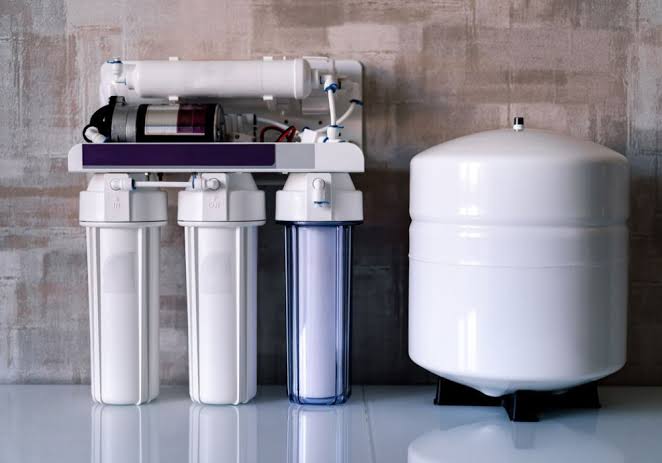
Reverse osmosis systems use pressure to push water through a semipermeable membrane. Depending on the model and its certification, this process can reduce many dissolved substances, including certain salts and metals.
These systems are commonly installed under kitchen sinks and may include multiple filtration stages. Some use storage tanks, while others provide treated water through different delivery arrangements. The right configuration depends on household demand, available space, and installation requirements.
There are a few trade-offs to consider. Reverse osmosis equipment needs regular filter changes, and some models discharge a portion of incoming water during treatment. Water efficiency varies, so compare the manufacturer’s specifications rather than assuming every system performs equally well.
Also, check the product’s specific contaminant-reduction claims. A system certified for one substance isn’t automatically certified for all others. If testing has identified a particular concern, choose equipment that is specifically suitable for that purpose.
Whole-House Treatment or a Filter Under the Sink?
This decision comes down to where you need better water and what you want to accomplish.
Whole-house systems treat water as it enters the property. They can be useful when problems such as hardness, sediment, or iron affect multiple fixtures, bathrooms, and appliances. A properly selected setup may help reduce scale, staining, and other treatment-related concerns throughout the home.
Under-sink filters focus on a single location, usually the kitchen tap. They’re often a practical choice when the main goal is improving drinking and cooking water without treating every gallon used for bathing or laundry.
Think about your everyday routine. If your kitchen water tastes unpleasant but your plumbing and appliances aren’t affected, a point-of-use filter might be enough. If mineral deposits are appearing throughout the house, a kitchen filter alone won’t solve the problem.
Installation space, plumbing access, household size, and budget all matter. When several water quality issues occur together, a qualified water treatment professional can help you determine whether combining technologies is worthwhile.
Maintenance Is Part of the Investment
Buying the equipment is only one part of the process. Filters eventually need replacing, softeners require periodic attention, and some systems need cleaning or professional servicing to maintain their intended performance.
Before committing, calculate the ongoing costs. Replacement cartridges, service visits, electricity, and water consumption can affect the total expense over several years. A system with a low purchase price isn’t always the cheapest option in the long run.
Keep track of maintenance dates and follow the manufacturer’s instructions. Changes in taste or flow can signal a problem, but they don’t reliably reveal whether invisible contaminants are being controlled. Testing remains important when safety is a concern, especially for private wells.
Better Water Starts With an Informed Decision
Choosing a home water treatment solution doesn’t have to be difficult. Begin with reliable information about your water, identify the problems that actually matter, and compare technologies designed to address them.
A simple filter may be perfectly adequate for one household, while another may benefit from softening or reverse osmosis. What matters is matching the equipment to the need, checking its performance claims, and maintaining it properly.
In the end, the best water treatment system isn’t necessarily the most expensive or complicated one. It’s the system that does its intended job reliably, fits your household’s routine, and offers good value over time. With a little research upfront, you can make that choice with greater confidence and enjoy better water without unnecessary expense.