
A successful installation rarely begins when the tools come out or the equipment arrives at the door. In reality, the best results usually come from what happens beforehand: careful planning, honest communication, proper preparation, and a clear understanding of what the finished project should look like. Whether you’re installing a new home system, commercial equipment,…
On this page
- Why Planning Matters Before Installation
- Understanding the Scope of Work
- Preparing the Space Properly
- Safety Should Never Be an Afterthought
- Testing Everything Before Handover
- The Importance of the Final Handover
- What Customers Can Do to Help
- Choosing the Right Installation Professional
- A Smooth Installation Starts Long Before Installation Day
A successful installation rarely begins when the tools come out or the equipment arrives at the door. In reality, the best results usually come from what happens beforehand: careful planning, honest communication, proper preparation, and a clear understanding of what the finished project should look like.
Whether you’re installing a new home system, commercial equipment, technology, or specialized machinery, the process can feel surprisingly complicated. There are measurements to confirm, spaces to prepare, technical requirements to understand, and plenty of small details that can become expensive problems if they’re overlooked.
That’s why a professional installation should be treated as a complete process rather than a single appointment. From the first conversation to the final handover, every stage has a purpose.
Why Planning Matters Before Installation
It’s tempting to think of installation as a straightforward job: bring in the equipment, connect everything, test it, and leave. Sometimes it is. But larger or more technical projects need considerably more thought.
A good pre-installation consultation gives both the customer and installation team a chance to get on the same page. This is when important questions can be answered before work begins.
The installer may assess the location, review existing infrastructure, discuss the customer’s expectations, and identify potential obstacles. Things like electrical capacity, access points, ventilation, drainage, structural limitations, or existing equipment can all affect the installation.
This conversation is also the right time to discuss practical concerns. What happens if the equipment doesn’t fit through the intended doorway? Is additional electrical work required? Will the installation affect another part of the property?
These may sound like small details, but discovering them early can save hours of frustration later.
Understanding the Scope of Work
Clear expectations make installation much easier for everyone involved.
Before the project begins, customers should know what is included in the installation and what may require additional work. A professional team should be able to explain the process in straightforward language rather than burying important information in technical jargon.
The scope might include equipment delivery, removal of old components, connections, testing, configuration, cleanup, and user instruction. It can also include preparation work that happens before the actual installation.
A written plan is particularly useful for larger projects. It creates a reference point for both sides and reduces misunderstandings. If something changes during the project, everyone has a clearer idea of what was originally agreed upon.
And honestly, that clarity is valuable. Nobody likes discovering an unexpected requirement halfway through a job.
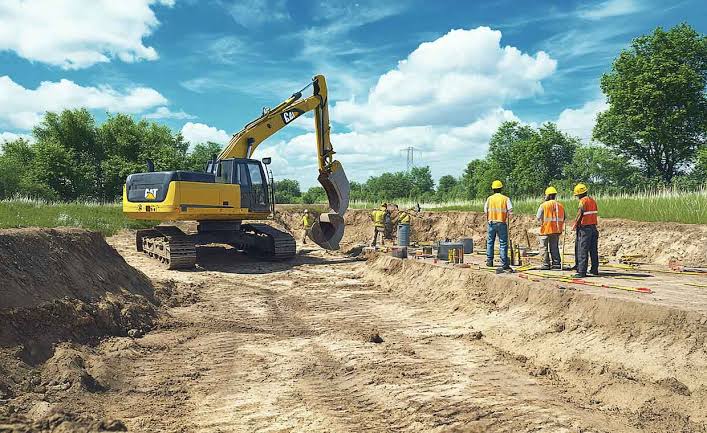
Preparing the Space Properly
One of the most overlooked parts of an installation is preparing the location. Even high-quality equipment can perform poorly if it’s installed in an unsuitable environment.
Proper site preparation may involve clearing the installation area, checking measurements, protecting nearby surfaces, ensuring safe access, and confirming that required utilities are available.
Depending on the project, preparation could also involve electrical upgrades, plumbing adjustments, structural support, flooring work, or ventilation improvements. These requirements vary widely, so there isn’t a one-size-fits-all checklist.
The installation area should also be accessible to the technicians. Crowded rooms, blocked entrances, or stored belongings can slow down the process and increase the risk of accidental damage.
A few minutes spent clearing the area beforehand can make a surprisingly big difference.
Safety Should Never Be an Afterthought
Professional installation isn’t just about making something work. It’s about making it work safely.
Technicians need to follow appropriate safety procedures while handling equipment, tools, electrical connections, plumbing components, or heavy materials. Customers should also avoid interfering with technical work unless the installation team specifically asks for assistance.
Safety considerations can include securing equipment properly, checking connections, testing protective devices, and making sure operating instructions are understood.
For businesses, there may be additional concerns involving employees, customers, access routes, and workplace regulations. A temporary installation zone may need to be clearly separated from normal activity.
Rushing this stage simply isn’t worth it. A safe installation is a better installation.
Testing Everything Before Handover
Once the equipment is installed, the job isn’t finished.
Testing is an essential part of the process because it helps confirm that everything functions as intended. Depending on the system, technicians may check connections, controls, performance, pressure, power consumption, software settings, or safety features.
This is also the moment to identify small issues before they become bigger ones. A loose connection or incorrect setting might not be obvious at first glance, but systematic testing can uncover it.
Customers should have an opportunity to ask questions during this stage. If something seems unusual, it’s better to mention it immediately rather than assume it will sort itself out.
Documentation can be useful too. Installation records, warranty information, maintenance recommendations, and operating instructions should be kept somewhere accessible.
The Importance of the Final Handover
The final stage deserves more attention than it often receives.
A proper final walkthrough & training session helps customers understand how to use the newly installed system confidently. Simply turning something on and saying “it’s working” isn’t really enough.
The technician can explain the basic controls, normal operating procedures, maintenance requirements, and common indicators the customer may encounter. If there are specific things the user should never do, those should be explained clearly as well.
For businesses, training may involve several employees rather than one person. Written instructions or quick-reference materials can make things easier when staff members change.
This handover is also a useful opportunity to review the finished installation. The customer and technician can walk through the equipment together, confirm that the agreed work has been completed, and discuss any remaining questions.
What Customers Can Do to Help
Installation works best when it’s treated as a partnership.
Customers can help by providing accurate information, making the property accessible, moving fragile belongings away from the work area, and communicating concerns early. If there are building restrictions, parking limitations, pets, security procedures, or access requirements, mentioning them beforehand is helpful.
It’s equally important to avoid making last-minute changes without discussing them with the installation team. A small change in equipment location, for example, might affect electrical connections, ventilation, drainage, or performance.
Good communication doesn’t require complicated meetings. Often, a simple conversation at the right time is enough.
Choosing the Right Installation Professional
The quality of an installation depends heavily on the people carrying it out. Price matters, of course, but it shouldn’t be the only consideration.
Look for an installation provider with relevant experience, qualified technicians, clear communication, and a willingness to explain the process. Reviews and testimonials can provide useful insight, while warranties and after-installation support can offer additional peace of mind.
A reliable professional won’t disappear the moment the equipment starts working. They should be willing to answer reasonable questions and explain maintenance or service requirements.
A Smooth Installation Starts Long Before Installation Day
The most successful installations tend to have one thing in common: they’re planned properly.
Consultation helps identify requirements. Preparation creates the right environment. Professional installation brings everything together safely. Testing confirms performance, while training ensures the customer knows what to do next.
None of these stages should be treated as unnecessary extras. They’re connected pieces of the same process.
When an installation is approached thoughtfully from beginning to end, the result isn’t simply equipment that has been installed. It’s a system that works as expected, a customer who understands how to use it, and far fewer surprises down the road. And that’s really what a good installation should deliver.