
Water is one of those things most people rarely think about until something seems wrong. Maybe the water has an unusual smell, leaves chalky marks on faucets, or makes drinking water taste different than expected. Sometimes the problem is less obvious. Appliances may develop scale, soap may not lather properly, or a family may simply…
On this page
Water is one of those things most people rarely think about until something seems wrong. Maybe the water has an unusual smell, leaves chalky marks on faucets, or makes drinking water taste different than expected. Sometimes the problem is less obvious. Appliances may develop scale, soap may not lather properly, or a family may simply want more confidence in the water used every day. Whatever the concern, finding the right solution begins with understanding what is actually happening.
Good water care isn’t always about buying the most expensive equipment. It involves identifying the issue, considering how water is used throughout the home, and choosing a practical solution that fits the situation. With the right information and professional guidance, improving water quality can become a manageable home improvement rather than another source of stress.
Start by Understanding Your Water
Water quality can vary considerably from one property to another, even within the same neighborhood. The source of the water, local plumbing, seasonal changes, and the condition of pipes can all influence what comes out of the tap. Hard water, for example, contains elevated levels of minerals such as calcium and magnesium. These minerals aren’t usually a health concern, but they can leave deposits on fixtures, reduce cleaning efficiency, and contribute to scale inside appliances.
Other concerns may involve sediment, unpleasant tastes, odors, or particular contaminants that require specific testing. The important point is that different problems need different approaches. A softener may help manage mineral hardness, while a filtration unit may target certain unwanted substances. Neither should be expected to solve every possible water issue.
Before choosing equipment, take a moment to observe the symptoms. Do white marks appear after water dries? Is the odor constant or occasional? Does the issue affect every tap or only one fixture? These small details can help a professional narrow down the possibilities.
Why Professional Guidance Can Make a Difference
Searching online can produce dozens of possible solutions, and it isn’t always easy to know which advice applies to your home. A qualified provider can help interpret the symptoms, explain available options, and recommend a system based on actual needs rather than guesswork.
Reliable water services may include water quality assessment, filtration advice, softening solutions, equipment maintenance, and support when a system isn’t performing as expected. The exact services available will depend on the provider, so it’s worth asking what is included before committing.
Good guidance should also come with clear explanations. You should understand what a recommended system is designed to address, what it won’t remove, how much maintenance it needs, and whether replacement filters or other supplies will create ongoing costs. A provider who welcomes questions is often more useful than one who pushes a quick purchase without explaining the reasoning.
Testing Comes Before Guessing
One of the simplest ways to make a more informed decision is to arrange free water testing when a provider offers it. Testing can help establish a baseline and identify specific characteristics that may need attention. Depending on the test, this could include hardness, pH, chlorine, or other selected water quality indicators.
It’s important to ask what the test actually covers. A basic screening is not the same as a comprehensive laboratory analysis, and no single test automatically checks for every possible contaminant. If you have a specific concern about drinking water safety, ask whether additional testing is appropriate and whether an accredited laboratory should be involved.
Testing is valuable because it helps match a solution to a real problem. If the results show significant hardness, a softener may be worth considering. If taste or odor is the main concern, a suitable filtration option might be more relevant. And if the results are within acceptable ranges for the parameters measured, you may not need to install anything at all.
That last possibility matters. Water treatment should be based on evidence, not fear.
Choosing Equipment That Fits Your Daily Routine
Once you have a clearer picture of your water, think about how your household uses it. A family that drinks tap water throughout the day may have different priorities from a household mainly concerned about mineral deposits on bathroom fixtures. People who rely on well water may also need a different assessment from those receiving treated municipal water.
Consider the number of people in the home, typical water consumption, available installation space, and the level of maintenance you’re comfortable handling. Filter capacity, replacement intervals, water pressure, and operating costs can affect long-term satisfaction just as much as the initial purchase price.
Avoid choosing a system solely because it has the most features. More technology doesn’t automatically mean better results. The best option is one that addresses the identified concern, suits your budget, and can be maintained properly over time.
Installation Is Only the Beginning
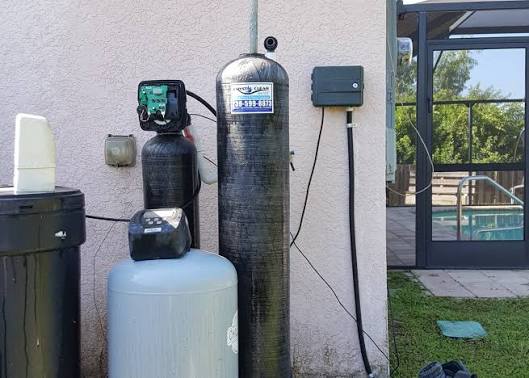
Even a well-chosen product needs correct setup. Poor placement, unsuitable connections, or incorrect configuration can affect performance and may create avoidable plumbing problems. Professional water treatment system installation can help ensure the equipment is connected properly and configured according to the manufacturer’s requirements.
Before the work begins, ask what the installation includes. Will the technician check the available space and plumbing connections? Will the system be tested after setup? Will you receive instructions for routine care? These details are worth confirming rather than assuming they come with every purchase.
After installation, learn how to recognize when maintenance is needed. Some systems require regular filter changes, while others may need cleaning, salt replenishment, or periodic servicing. Keep a record of maintenance dates and follow the manufacturer’s recommendations. Waiting until water quality changes noticeably can mean the equipment has been working below its intended performance for some time.
Make Maintenance Part of the Plan
Water treatment isn’t a one-time decision that can be forgotten forever. Filters gradually collect material, softeners may need supplies, and mechanical parts can wear with use. Regular checks help protect your investment and make it easier to spot problems early.
Ask your provider which tasks you can safely handle yourself and which should be left to a trained technician. If water pressure suddenly changes, an unusual taste returns, or the equipment begins leaking, investigate promptly rather than ignoring the warning signs.
It’s also sensible to review your needs whenever circumstances change. A home renovation, a new water source, or a change in household size may affect which solution makes sense. Periodic reassessment keeps the system aligned with the way you actually live.
A Practical Approach to Better Water
Improving water quality doesn’t have to begin with a major purchase. Start with your concerns, gather reliable information, and test the water when appropriate. Then compare solutions carefully, considering performance, maintenance, and the total cost of ownership.
The right provider should help you understand your options without making promises that a particular system cannot guarantee. Ask questions, review the test results, and make sure you know how the equipment will be maintained.
Water is part of nearly every routine at home, from making morning coffee to washing dishes at night. Taking a little time to understand it can make everyday decisions easier and help you invest wisely. The goal isn’t to treat water unnecessarily; it’s to find a dependable solution that suits your household and gives you greater confidence in the water you use each day.