Category: Home Improvement

  • Iron in Your Water? Here’s How Kingston Homes Are Solving the Rusty Water Problem for Good

    Iron in Your Water? Here’s How Kingston Homes Are Solving the Rusty Water Problem for Good

    If you’ve ever poured yourself a glass of tap water and paused—eyebrows raised at that yellow-orange hue—you’re definitely not alone. In Kingston, WA, iron in household water is a more common problem than many people realize. Whether you’re on a well system or pulling from older pipes, that unpleasant rusty tinge and metallic taste are telltale signs something’s up.

    Iron in water may not be immediately harmful to your health, but it sure isn’t pleasant—and over time, it can take a toll on your plumbing, appliances, and peace of mind. The real question is: what’s causing it, and how do you fix it?

    Spoiler: It all starts with a proper water test iron Kingston residents can rely on. And from there? You’ve got options. Good ones.


    First Things First: Why Is There Iron in My Water?

    In a nutshell? Because water has a knack for carrying things with it. If your home relies on a private well, groundwater picks up iron from rocks and soil as it flows. On the other hand, if you’re connected to aging municipal infrastructure, you could be getting iron from rusty pipes—especially galvanized ones that corrode over time.

    There are two types of iron to know about:

    • Ferrous iron (invisible when dissolved, but shows up later when it oxidizes)
    • Ferric iron (already oxidized and visible—aka the rust color in your toilet bowl)

    Some unlucky folks even get a double dose of both. Add in a little sulfur or manganese, and now your water might also smell like rotten eggs. Delightful, right?


    What Does Iron in Water Really Do?

    Aside from turning your glass of water into something that looks better suited for a mechanics’ shop, iron causes all sorts of everyday issues:

    • Stains: On sinks, tubs, toilets, and even laundry.
    • Clogs: Iron sludge can build up in pipes and fixtures, reducing water flow and damaging appliances.
    • Taste and Smell: Metallic flavors and occasional funk make cooking and drinking a bit of a gamble.
    • Wear and Tear: Water heaters, dishwashers, and washing machines can wear out faster with iron buildup.

    And once the stains set in? They’re a nightmare to clean.


    Water Testing: The Most Underrated First Step

    Before you go out and buy some random filter off the internet, do yourself a favor and get your water tested. A professional water test iron Kingston specialists provide can tell you exactly what you’re dealing with—how much iron, what kind, and whether there are other troublemakers like manganese or bacteria tagging along.

    It’s fast, it’s often free or low-cost, and it gives you the facts you need to solve the problem—not just put a bandage on it.


    Finding the Right Rust Color Water Solution

    Once you’ve got your test results, the fix becomes a whole lot clearer. And the good news? There’s a filter or system for just about every kind of iron problem out there.

    Some of the most effective solutions include:

    • Air injection oxidation systems – Great for ferrous iron, turning it into particles that can be filtered out.
    • Greensand or Birm filters – Ideal for ferric iron, often used with a chemical oxidizer.
    • Multi-stage filtration systems – These can handle iron plus sulfur, manganese, and other minerals common in well water.
    • Water softeners with iron-removal capabilities – If you’re dealing with hardness and low levels of iron, this could be a two-birds-one-stone situation.

    It’s all about matching the system to your unique water profile. That’s where working with local experts really pays off.


    What About the Pipes?

    Here’s something a lot of people forget: if your pipes are already rusted internally, new water filters won’t magically undo that. Iron deposits inside old galvanized pipes can flake off slowly over time, continuing to cause discoloration even after the water is “clean.”

    That’s why part of a complete WA iron issues fix might include pipe inspection, professional flushing, or even replacing problem sections. Yes, it’s an investment—but the long-term peace of mind is worth it.

    And once you’ve stopped the new iron from coming in and cleaned out what’s already there? That’s when you get truly clear, reliable water again.


    Local Expertise Makes a Difference

    Let’s be real: solving water problems in Kingston isn’t the same as solving them in, say, Phoenix. Local terrain, soil composition, and infrastructure all play a role. That’s why it pays to work with professionals who understand Kitsap County water inside and out.

    They’ve seen the wells. They know the pipes. And they’ve read more water test reports than most of us will in a lifetime. They’ll help you find a system that works—without overcomplicating it.


    Real People. Real Reviews. Real Results.

    Still unsure? A scroll through local reviews can be eye-opening. Homeowners in the area who were living with rust stains and murky showers for years often describe the difference as “life-changing” once the right system is in place.

    Clear water. Clean sinks. Appliances that actually last. It’s not just a luxury—it’s a return to normal.


    Water test iron Kingston, rust color water solution, WA iron issues fix—these aren’t just phrases for a search engine. They’re pieces of a better, simpler life for families who are tired of second-guessing their tap water.

    So if your water’s been leaving you with more questions than answers, it might be time to start fresh—with a clear test, a smart fix, and a whole lot fewer stains. Clean, safe water doesn’t need to be complicated. It just needs to start with a test—and the right help.
  • Fargo’s Hard Water Woes (and the Quiet Fixes That Actually Work)

    Fargo’s Hard Water Woes (and the Quiet Fixes That Actually Work)

    You ever pour a glass of water straight from the tap in Fargo and think, “Something’s not quite right here”? Maybe it tastes a little off. Or maybe you’ve noticed that your shower leaves your hair feeling like straw and your glassware looking perpetually cloudy. If so, you’re definitely not imagining things—Fargo’s water has a reputation, and not always a great one.

    Let’s face it, living in a city that deals with hard water and other water quality issues isn’t always pleasant. But here’s the thing: it’s fixable. And no, you don’t have to move mountains or break the bank to get better water in your home. You just need the right tools and maybe a bit of know-how. So, let’s talk about what’s really going on with our water—and more importantly, what you can actually do about it.


    The Fargo Water Situation: What’s the Deal?

    Water in Fargo tends to be “hard.” That means it’s rich in minerals like calcium and magnesium. While that might sound harmless—even healthy—it’s actually the root cause of a lot of annoyances around the house. Ever battled with soap that won’t lather or tried to scrub crusty white buildup off your faucets? Yep. That’s the minerals doing their thing.

    And that’s just scratching the surface. Hard water can mess with your plumbing, shorten the life of your appliances, and drive up your energy bills. That water heater you bought five years ago? It might be halfway to retirement already.

    Now layer on top of that the occasional funky taste, potential sediment, chlorine odor, and you’ve got a cocktail of reasons to rethink what’s flowing out of your faucets.


    Enter: The Unsung Heroes of Clean Water

    So, what are your options?

    Well, water softeners in Fargo, reverse osmosis in Fargo, problem water filters in Fargo—each one plays a different but important role in cleaning up your water situation.

    Water Softeners: The Heavy Lifters

    Water softeners are kind of the OG of water treatment in this area. They target those pesky calcium and magnesium ions, swapping them out for sodium (or potassium, depending on the setup). The result? Softer water that actually lets soap lather, keeps your appliances healthier, and makes your skin and hair feel… normal again.

    If you’re seeing white spots on dishes or fighting soap scum on shower doors like it’s a full-time job, a softener might just be your new best friend.

    Reverse Osmosis: The Taste Transformer

    Ever taken a sip of water and cringed? Reverse osmosis Fargo (RO) systems are all about purifying water at a molecular level. We’re talking about removing contaminants that you don’t want in your glass—like chlorine, lead, nitrates, and other sneaky intruders that can impact taste and safety.

    Fargo’s municipal water isn’t exactly dangerous, but that doesn’t mean it tastes great. RO systems are for folks who want bottled-water quality straight from the kitchen sink. Bonus: they’re fantastic for cooking and making coffee taste the way it’s supposed to.

    Problem Water Filters: The Custom Fixers

    Now, this is where things get kind of interesting. Some homes in Fargo deal with more niche issues—like high iron content, sulfur (think rotten egg smell), or bacteria. That’s when problem water filters come into play.

    These systems are a bit like specialists. They’re built to solve specific problems that a general water softener or RO system might miss. So if you’ve got rust stains in the toilet or water that smells off every time it rains, this might be your answer.


    Choosing What’s Right (and Not Getting Overwhelmed)

    Here’s the honest truth: you don’t need to install every system out there. The best approach? Start by testing your water. Local pros in Fargo can run a simple test (some do it for free) and give you a snapshot of what you’re dealing with.

    From there, you can choose what makes the most sense. Maybe you just need a softener. Maybe it’s a softener plus an RO system for drinking water. Or maybe you’ve got something more unique going on that calls for a specialized filter.

    Whatever the case, the days of living with cloudy glassware and itchy skin don’t have to go on forever.


    Final Thoughts: You Deserve Better Water

    It’s kind of wild how something as simple as water can make such a difference in how your home feels—how your food tastes, how your skin feels, how much maintenance you have to deal with. And in a place like Fargo, where the water’s got personality (let’s put it that way), it just makes sense to take control of it.

    Whether you’re in a century-old home with rusty pipes or a brand-new build that still has some quirks, water softeners Fargo, reverse osmosis Fargo, problem water filters Fargo—these aren’t just gadgets. They’re long-term solutions for peace of mind, cleaner living, and a lot fewer headaches.

    So maybe it’s time to stop putting up with hard water and start sipping something better.

  • From Cracks to Craftsmanship: Why Concrete Deserves a Second Look

    From Cracks to Craftsmanship: Why Concrete Deserves a Second Look

    You probably don’t think much about the concrete beneath your feet—until it cracks, crumbles, or makes that annoying uneven thud when you roll your trash can across the driveway. It’s easy to overlook something so seemingly dull and gray, but honestly? Concrete plays a quiet hero in our day-to-day lives. Patios, walkways, driveways, garage floors—these are all made possible by something that often goes underappreciated: concrete flatwork, concrete repair work included.

    Let’s take a stroll down your driveway for a moment—yes, that one with the weed peeking through the hairline crack and the weird dip near the garage that collects rainwater like a mini pond every time it drizzles. It didn’t always look like that, right? Concrete, when done right, can look clean, strong, and seamless. But over time, nature, temperature shifts, and just good old wear and tear can leave their mark.

    Concrete Flatwork: More Than Just a Slab

    If you’re not in the construction world, the term flatwork might sound like industry lingo. But it’s straightforward—it refers to any poured surface laid flat. Driveways, sidewalks, patios, basements, even some modern office floors—they’re all examples of concrete flatwork. And when done by skilled hands, flatwork can be a beautiful blend of functionality and visual appeal. Stamped concrete that mimics stone? Sleek polished finishes for a minimalist backyard design? Yep, all in the flatwork wheelhouse.

    Flatwork is usually poured into forms and reinforced with rebar or wire mesh to strengthen it. What separates good flatwork from mediocre is more than just technique—it’s timing. The way it’s mixed, poured, leveled, and cured—all that stuff matters. A lot. Mess up one step, and you’re left with issues like flaking, cracking, or worse, uneven settling.

    That’s where things can get expensive—and frustrating.

    Cracks Happen. What Now?

    Even with the best prep and workmanship, concrete doesn’t last forever. It’s tough but not invincible. Temperature swings, tree roots, shifting soil—life happens. So, what do you do when cracks start creeping in or the surface begins to crumble like an old cookie?

    Enter the world of concrete repair.

    The good news? You don’t always have to tear everything out and start from scratch. In fact, that’s often the last resort. Minor cracks can be filled. Surface damage? That can be resurfaced. Sometimes it’s as simple as applying a sealing compound to prevent moisture from seeping in. Other times, you might need a more involved fix, like slab jacking or structural reinforcement.

    Here’s where it gets tricky: DIY repair kits from the local hardware store promise miracles, but concrete is finicky. One wrong mix ratio or an unclean surface, and that patch you just applied might not stick—or worse, it could make the crack even more noticeable. If it’s more than a hairline, bringing in someone who knows what they’re doing is usually worth it.

    When to Call in the Pros

    So how do you know it’s time to wave the white flag and call in a contractor? A few red flags:

    • Uneven surfaces where water pools or trip hazards exist
    • Widespread cracking with shifting or separation
    • Spalling or flaking concrete that’s breaking apart on the surface
    • Rust stains from rebar corrosion beneath the surface

    At that point, you’re dealing with more than just an aesthetic issue—there could be deeper structural concerns. And if the damage is near entryways, garage doors, or foundation walls, procrastinating might lead to bigger (and costlier) problems down the road.

    Concrete’s Having a Moment

    Believe it or not, concrete is trending. Not just for driveways or sidewalks, either. Designers are using it for kitchen counters, modern flooring, and even statement walls. Its versatility, durability, and earthy aesthetic make it a favorite among minimalists and industrial-style lovers.

    And thanks to advances in stamping, staining, and finishing techniques, concrete no longer has to be boring or gray. You can get it in just about any texture or tone you can imagine. You want a patio that looks like wood planks but lasts decades longer? It’s possible. A polished indoor floor that shines like marble? Concrete can do that too.

    Maintenance Is Everything

    Concrete doesn’t demand constant babysitting, but a little love goes a long way. Sweep it now and then. Reseal every few years, especially in climates with freeze-thaw cycles. Avoid de-icing chemicals when you can—they’re brutal on the surface. And if something starts to look off, don’t wait too long to investigate.

    Taking care of concrete is like taking care of your car: preventive maintenance is cheaper and easier than major repairs.

    Wrapping It All Up

    So next time you step outside and walk across your driveway, don’t just trudge along. Take a second to notice the hard-working surface beneath you. Concrete may not be flashy, but it’s dependable. And when cracks or issues do pop up, know that there are solid (pun intended) solutions—whether it’s small-scale repair or a full flatwork refresh.

    In a world that’s constantly chasing the next trend, sometimes it’s the old reliable stuff—like well-poured concrete—that quietly keeps everything together.

  • Clean Water, Peace of Mind: Why Old Bethpage Homes Deserve the Best in Filtration

    Clean Water, Peace of Mind: Why Old Bethpage Homes Deserve the Best in Filtration

    Let’s be honest—when was the last time you thought about what’s in your tap water? If you live in Old Bethpage, NY, chances are you’ve heard the term “hard water” tossed around more than a few times. It’s not exactly small talk at the grocery store, but once you notice the calcium buildup on your faucets or that dry, tight feeling after a shower… you can’t unsee it. That’s where water treatment steps in—not just to fix a problem, but to make everyday life better.

    This isn’t just about luxury. It’s about living healthier, smarter, and yes—cleaner.


    Old Bethpage’s Quiet Water Struggle

    Here in Old Bethpage, we’re lucky in many ways. Tree-lined streets, strong community ties, and homes that folks tend to settle in for the long haul. But beneath the charm, there’s an invisible issue: water quality.

    Long Island’s groundwater—our main water source—is under constant pressure. Between aging infrastructure, agricultural runoff, and naturally occurring minerals, the tap water isn’t always as pure as we’d like. That’s not fearmongering. That’s just the facts. And while the water may be “safe” by federal standards, “safe” doesn’t always mean ideal.


    Softeners, Osmosis & UV—What’s the Deal?

    Here’s where things get interesting. When homeowners hear about filtration, it can feel a bit overwhelming—like walking into a hardware store without a clue where to start. So let’s break it down, in plain English.

    1. Water Softeners

    First up, the trusty water softeners Old Bethpage NY. This system tackles “hard water”—which is just water packed with calcium and magnesium. It’s harmless to drink, but it’s rough on your skin, hair, appliances, and even your laundry. Softeners swap out those minerals with sodium or potassium ions, leaving your water silky smooth.

    Ever noticed soap doesn’t lather well, or your dishes come out with weird spots? That’s hard water doing its thing. A water softener makes those annoying little problems disappear.

    2. Reverse Osmosis

    Now, reverse osmosis Old Bethpage NY—that’s your deep-clean system. It filters out just about everything. We’re talking lead, arsenic, nitrates, PFAS (the “forever chemicals”), and even microscopic contaminants. RO systems use a semi-permeable membrane to trap the bad stuff and let the good water flow through.

    It’s the kind of filtration people trust for baby formula, cooking, and that peace of mind knowing you’re drinking something truly clean. And in Old Bethpage, where tap water can be questionable depending on the block you’re on, that’s a big deal.

    3. UV Filtration

    Then there’s UV filtration Old Bethpage NY. This one feels like science fiction but it’s 100% real. UV systems use ultraviolet light to zap bacteria, viruses, and other creepy crawlies that could sneak into your water. No chemicals, no additives—just pure disinfection using light.

    Pairing UV with RO or softening systems is like having a dream team working behind the scenes in your home.


    The Old Bethpage Approach: No One-Size-Fits-All

    What’s great about this area is that the water situation isn’t terrible—but it’s inconsistent. Some homes are fine. Others? Not so much. That’s why folks here are turning to customized filtration setups. Maybe your neighbor swears by softening, but your home needs RO because of older pipes. Or maybe you’ve got kids and want UV as a safety net.

    This isn’t about overkill. It’s about investing in your health, your home, and the stuff you use every day. And once you’ve got that system installed? You’ll feel the difference—no more scratchy towels, cloudy ice cubes, or worrying about whether your water’s hiding something you can’t see.


    Local Experts, Long-Term Results

    The beauty of going local in Old Bethpage is that the installers and providers here actually know what they’re dealing with. They’re not just reading water reports—they live here, too. That kind of hands-on knowledge is priceless when it comes to choosing the right blend of systems for your household.

    So if you’ve been Googling around for water softeners Old Bethpage NY, reverse osmosis Old Bethpage NY, UV filtration Old Bethpage NY, you’re not just chasing trends. You’re taking the first smart step toward better living—starting at the tap.


    The Bottom Line

    You don’t have to be a chemist to care about your water. You just have to notice how much of your life depends on it—showers, cooking, laundry, drinking. It’s easy to take it for granted… until you don’t. But with the right tools, clean water doesn’t have to be complicated or out of reach.

    In Old Bethpage, investing in water quality isn’t just practical—it’s kind of essential. Your skin, your appliances, and your peace of mind will thank you.

  • Why Tampa Residents Are Turning to Clean, Soft Water — And Why You Might Want to Join Them

    Why Tampa Residents Are Turning to Clean, Soft Water — And Why You Might Want to Join Them

    If you’ve ever poured yourself a glass of water in Tampa and thought, “Hmm… something’s off,” you’re not alone. Maybe it tasted metallic. Or left your glass with a cloudy residue. Maybe your skin feels dry after every shower, or your dishwasher’s leaving weird streaks on your plates. That’s not in your head — it’s the water.

    Tampa’s water, while safe by municipal standards, can be heavy on minerals like calcium and magnesium. Not dangerous, per se, but definitely pesky. Over time, they can clog pipes, wear out appliances, and just generally make life more frustrating. That’s why so many folks around here are ditching the old “it’s fine” mindset and investing in smarter, cleaner solutions for their homes.

    Let’s dive into why water filtration Tampa, water softeners Tampa, home water service Tampa aren’t just buzzwords—they’re game changers.


    Hard Truths About Hard Water

    First off, let’s get one thing straight: hard water isn’t harmful to drink. But it is a nuisance. The mineral build-up (aka limescale) can wreak havoc on anything that involves water flow — pipes, washing machines, coffee makers… even your skin and hair.

    Ever feel like your shampoo doesn’t lather? Or that your clothes come out of the laundry kind of stiff? That’s hard water doing its thing. And yeah, those tiny mineral deposits build up fast — especially in Florida, where naturally occurring limestone in the ground boosts the hardness of our water.


    The Power of Softening Things Up

    Enter water softeners. These clever devices swap out those hard minerals with sodium ions through a process called ion exchange. Sounds technical, but in real life, it means:

    • Showers that leave you feeling actually clean
    • Softer towels and clothes
    • Cleaner dishes with no white film
    • Less wear and tear on your appliances

    It also means less soap and detergent use, which is not only easier on your wallet but better for the environment too. So while installing a water softener might feel like a splurge at first, it’s a long-term investment that really pays off.

    And let’s be honest—there’s something really satisfying about running your hands through truly soft water. It’s the kind of thing you don’t know you’ve been missing until you have it.


    Filtering Out the Fuss

    While softeners tackle minerals, water filtration systems go a step further. They clean up what you can’t always see — things like chlorine, lead, pesticides, or organic contaminants that sneak into your tap through aging infrastructure or environmental runoff.

    Think of filtration systems as the gatekeepers of your home’s water supply. Whether it’s a whole-home setup or just something under your sink, these filters help ensure your water smells better, tastes cleaner, and is safer for cooking, drinking, and everyday use.

    And in Tampa? Let’s just say you’ll notice the difference almost instantly. It’s not just about health — it’s about peace of mind.


    Real Talk: Why You Should Care Now

    You might be wondering: “Is it really that big of a deal?” Here’s the thing—your water is part of your daily life. You bathe in it, cook with it, wash your clothes, brush your teeth. It’s everywhere. So why not make sure it’s actually doing you good?

    What’s more, Tampa’s continued growth and development mean infrastructure is aging fast. That means even if the city is doing its best, the water reaching your home might still pick up contaminants or debris along the way. A customized home water service Tampa solution is your safety net. It’s your way of taking control of what flows through your pipes and into your life.

    Plus, with so many local providers offering flexible services and maintenance plans, it doesn’t have to be complicated or expensive. There’s something out there for every budget and home size—from simple countertop filters to full-blown whole-house systems with all the bells and whistles.


    Wrapping It Up (Without the Sales Pitch)

    We’re not here to scare you into anything. We just think that when it comes to the stuff you use every day, quality should be a priority—and water is no exception.

    Living in Tampa is great. Sunshine, seafood, sunsets. But if you’ve been dealing with cloudy tap water, crunchy laundry, or shower doors that just won’t stay clean, maybe it’s time to make the switch. Whether you’re into the techy side of water softeners or just want your morning coffee to taste a little better, there’s a solution waiting for you.

    And honestly? Once you make the change, you won’t go back. You’ll wonder why you waited so long.

    So the next time you’re sipping a glass of water or rinsing off in the shower, take a moment. Ask yourself if it could be better. Chances are, it could. And now you know how to start. Just remember — when it comes to water filtration Tampa, water softeners Tampa, home water service Tampa, you’ve got more power (and better options) than you think.

  • Clean Water, Clear Mind: Why Manhasset Homes Deserve Better Filtration

    Clean Water, Clear Mind: Why Manhasset Homes Deserve Better Filtration

    You ever pour a glass of water straight from the tap, take a sip, and pause for a second—not because it’s too hot or cold, but because something just feels… off? Maybe it’s a slight chlorine tang or a metallic twang. Maybe it’s not taste at all but the unsettling thought of what’s actually in your water. If you’re living in Manhasset, NY, and you’ve had that moment of doubt, you’re not alone. More and more Long Island homeowners are turning to smarter, cleaner solutions for what many of us take for granted: the water we use every single day.

    It’s easy to overlook. You turn on the faucet, and there it is—clear, seemingly pure. But municipal water systems, even good ones, have their limits. Between aging pipes, treatment chemicals, and the lingering presence of contaminants (hello, PFAS and lead), what reaches your sink might not be as pristine as it looks.

    That’s where water filtration systems come into play, especially for homes in places like Manhasset. Not because the water is “bad,” per se, but because peace of mind and real purity aren’t the same thing.

    What’s in Your Water, Manhasset?

    Let’s talk real life. Families in Manhasset wash their kids’ fruits with tap water. They fill kettles, bathe newborns, mix formula, water plants, brew coffee, and sometimes sip straight from the bathroom sink at 2 a.m. The water running through your pipes is part of your daily rhythm. And when something that fundamental is questionable—or worse, unsafe—it’s not just inconvenient. It’s unsettling.

    Independent testing has shown that even treated water often contains trace levels of contaminants. Stuff like chlorine byproducts, microplastics, volatile organic compounds (VOCs), and even trace pharmaceuticals can make their way into our homes. These aren’t buzzwords meant to scare you—they’re realities of modern water systems. And it’s why homeowners are looking to install water filtration systems in Manhasset NY that go beyond the basics.

    Not All Filters Are Created Equal

    Here’s where the confusion sets in. When people first consider home water service in Manhasset, they usually imagine a little filter that clips onto a faucet. And sure, those have their place. But comprehensive water filtration—the kind that protects every faucet, showerhead, and appliance—is a whole different ballgame.

    Whole-house filtration systems are designed to handle everything from sediment and rust to chlorine, pesticides, and even pathogens, depending on the setup. Reverse osmosis? Great for drinking water. UV purification? Excellent for killing bacteria. Carbon filters? Solid for improving taste and odor. The point is, the best system is the one that’s tailored to your home and your water. That’s why professional consultation and testing matter so much.

    Think of it like choosing glasses at the optometrist. You wouldn’t pick a random prescription off the shelf just because it worked for someone else. Your water is just as personal.

    Quality Home Water Service is an Investment, Not an Expense

    Here’s the thing most folks don’t talk about when they get into water filtration: it’s not just about health. It’s about protecting your home and your investment. Hard water and mineral buildup can shorten the lifespan of appliances like dishwashers, washing machines, and water heaters. Showerheads clog, pipes corrode, and soap just doesn’t lather the way it should. Even your laundry suffers.

    By partnering with a reliable home water service in Manhasset NY, you’re not just filtering your water—you’re preserving your plumbing, saving money in the long run, and honestly, living a little more comfortably.

    Plus, let’s be real: filtered water just tastes better. Cold, clean, and crisp. It’s the kind of small upgrade that quietly elevates everyday life.

    Manhasset’s Water Future Starts in Your Kitchen

    We’re not saying you need to panic over your tap water. Far from it. But in a place like Manhasset—where families care deeply about quality of life—it just makes sense to take control of something so essential. After all, we filter our coffee, we filter our air… why not our water?

    If you’ve been researching water filtration Manhasset NY, or even just wondering if your setup is enough, it might be time for a closer look. You don’t need to become a water quality expert overnight. That’s what good service providers are for. A reputable local company will walk you through the options, explain the differences (without the jargon), and help you find a solution that actually fits your needs.

    No scare tactics. No pushy sales. Just cleaner, safer water—on your terms.


    One Final Thought

    You don’t have to be a health nut or an environmentalist to care about water quality. You just have to be someone who lives in a home, drinks a glass of water now and then, or gives a little thought to what’s running through your pipes.

    And if that’s you? Well, then you’re already a step ahead.

    For folks looking to upgrade or install water filtration systems Manhasset NY, now’s the perfect time to make the switch. Not just for your health—but for your home, your family, and that clear peace of mind every time you take a sip.

  • The Importance of Water Filters: Ensuring Clean Drinking Water for a Healthier Life

    The Importance of Water Filters: Ensuring Clean Drinking Water for a Healthier Life

    When was the last time you thought about the quality of the water you drink? For most of us, water is something we take for granted—turn on the tap, and it’s there. We rarely pause to consider what’s actually in it. But the reality is, not all water is created equal. Whether you’re concerned about the taste, smell, or potential contaminants, water filters can make a significant difference in the quality of your water. In this article, we’ll explore why filtered water is essential, how water filters work, and how you can improve your water quality to ensure clean drinking water at home.

    Why Clean Drinking Water Matters

    We often underestimate the importance of clean water—after all, it’s a fundamental part of our daily lives. But think about it: you drink water, cook with it, clean with it, and even bathe in it. Water is essential to nearly everything we do. So, if the water we’re using is contaminated or filled with impurities, it can affect not just our health but also the quality of life in our homes.

    In many areas, tap water is treated and regulated by local authorities. But even with all the safeguards in place, contaminants like chlorine, lead, pesticides, and bacteria can still find their way into the water supply. These impurities can cause everything from digestive issues to skin irritation and long-term health risks.

    That’s where clean drinking water becomes crucial. While public water systems do their best to provide safe water, there’s a lot to be said for having a filter that ensures your water is as pure and fresh as possible. Filtered water provides an added layer of protection, offering a cleaner, better-tasting, and healthier alternative to what comes out of the tap.

    The Role of Water Filters

    So, how exactly do water filters work? Water filters are designed to remove harmful substances from your water, including dirt, chlorine, heavy metals, and other chemicals that affect both the taste and safety of your drinking water. They work through various filtration methods, such as carbon filtration, reverse osmosis, and UV purification, depending on the type of contaminants being targeted.

    1. Carbon Filters: These are the most common type of filters. They work by using activated carbon, which has a high surface area that attracts and absorbs impurities like chlorine, volatile organic compounds (VOCs), and other chemicals that affect the taste and smell of your water. If you’ve ever used a pitcher-style filter, you’ve probably used a carbon filter. They’re simple to use, cost-effective, and efficient at improving taste.
    2. Reverse Osmosis (RO): If you want to go the extra mile, reverse osmosis is a powerful filtration method that removes up to 99% of contaminants. It uses a semi-permeable membrane to filter out dissolved solids like salts, metals, and chemicals. RO systems are great for removing impurities like lead, arsenic, fluoride, and even certain microorganisms. This method typically requires an under-sink installation and is ideal for those who want the purest water possible.
    3. UV Filters: For those concerned about bacteria and viruses, UV filters are a great option. Ultraviolet light is used to kill microorganisms, ensuring that the water is free from harmful pathogens. This method is especially useful for people who have well water or live in areas where waterborne illnesses are a concern. However, UV systems typically work in combination with other filters to remove physical impurities.
    4. Sediment Filters: These filters are designed to remove large particles like sand, dirt, and rust that might be present in your water. Sediment filters are often the first line of defense in multi-stage filtration systems and are great for improving water clarity and protecting other filters from clogging.

    Benefits of Filtered Water

    Now that we understand how water filters work, let’s explore the many benefits of switching to filtered water:

    1. Better Taste and Odor
      Have you ever taken a sip of water only to be met with a chemical or chlorine-like taste? Tap water can have an unpleasant flavor, especially in areas where chlorine is used to disinfect the water supply. Filtered water improves the taste by removing these chemicals and other impurities, leaving you with a clean, crisp taste that makes drinking water more enjoyable.
    2. Healthier Water
      Water filtration doesn’t just improve the taste—it makes the water healthier to drink. By removing harmful contaminants like lead, pesticides, and heavy metals, a water filter helps protect you from health risks associated with prolonged exposure to these substances. For example, lead can cause developmental issues in children and neurological problems in adults, while pesticides can affect the nervous system.
    3. Skin and Hair Benefits
      If you’ve ever noticed your skin feeling dry or irritated after a shower or bath, it could be due to chlorine or other chemicals in your tap water. Filtered water can help improve your skin and hair by removing these harsh substances. Your skin will feel softer, and your hair will be less prone to dryness and damage.
    4. Protects Appliances and Plumbing
      Hard water, which contains high levels of minerals like calcium and magnesium, can leave scale deposits in your pipes and appliances over time. This mineral buildup can clog pipes, damage appliances, and reduce the efficiency of your water heater and dishwasher. A water filter that softens water can help prevent this, saving you money on repairs and replacements in the long run.
    5. Environmental Impact
      Bottled water is often seen as a quick fix for clean drinking water, but it comes with a significant environmental cost. From plastic waste to transportation emissions, bottled water is not a sustainable solution. By using a water filter, you can reduce your reliance on single-use plastic bottles, helping to protect the planet while also saving money.

    Choosing the Right Water Filter

    With so many options out there, choosing the right water filter for your home can be overwhelming. Here are a few factors to consider when making your decision:

    1. Water Quality: The first step is to understand what’s in your water. Get your water tested to determine if it contains contaminants like chlorine, lead, or bacteria. This will help you choose the right filter for your needs.
    2. Filter Type: Depending on your water quality and concerns, you might need a different type of filter. If you’re mainly concerned with chlorine and odors, a carbon filter may be sufficient. However, if you’re dealing with heavy metals or bacteria, you may need a reverse osmosis or UV filter.
    3. Installation and Maintenance: Some filters are easy to install and require minimal maintenance, while others, like reverse osmosis systems, may need professional installation and regular filter replacements. Consider the level of maintenance you’re willing to commit to when choosing a system.
    4. Cost: While filtered water is an investment in your health, there are options at different price points. Consider the long-term costs of filter replacements and maintenance when making your decision.

    Conclusion: Clean, Safe Water at Your Fingertips

    Water filters offer an easy and effective way to ensure you’re drinking clean, safe water every day. Whether you’re concerned about taste, contaminants, or the health of your family, a good filter can make all the difference. From improving taste and odor to protecting your health and the environment, filtered water is a simple but powerful solution that everyone can benefit from.

    Don’t wait for the water to get worse—take action now. Whether you choose a basic carbon filter or a more advanced reverse osmosis system, making the switch to filtered water can transform the way you think about hydration. After all, water is life—so make sure it’s the best it can be.

  • Why Commercial Water Delivery in NYC is a Game-Changer for Businesses

    Why Commercial Water Delivery in NYC is a Game-Changer for Businesses

    If you run a business in New York City, you’re well aware of how hectic things can get. Between meetings, deadlines, and managing staff, staying on top of all the little things is often more challenging than it should be. One thing that should never be overlooked, however, is ensuring that your team and clients are well-hydrated. That’s where commercial water delivery services come into play, offering a seamless solution to meet your water needs without interrupting your day-to-day operations.

    In a city that never stops, businesses need efficiency and reliability—especially when it comes to something as vital as water. Let’s explore why opting for water delivery services commercial NYC is not just a convenience, but a necessity for keeping your workplace hydrated, healthy, and productive.

    Why Choose Commercial Water Delivery Services?

    Water is one of the most important resources in any business, from office spaces to retail stores, or even large-scale event venues. The benefits of commercial water delivery extend far beyond just having a steady supply of water on hand. When you opt for a professional service to meet your hydration needs, you’re gaining a host of advantages that can improve your business in unexpected ways.

    1. Convenience
      Time is money, especially in the fast-paced world of business. Traditional methods of sourcing water, like running to the store to buy bottles or managing multiple deliveries, can be both cumbersome and inefficient. Water delivery services commercial NYC allow you to streamline the process. With one easy call, you can schedule regular deliveries that arrive right at your door—whether it’s weekly, bi-weekly, or monthly. No more rushing out for emergency water runs during lunch hours or having to deal with organizing team members to pick up cases of water.
    2. Cost-Efficiency
      Although the initial cost of commercial water delivery might seem like an added expense, in the long run, it’s actually a more cost-effective option. Purchasing individual bottles of water or multiple cases can quickly add up, especially when you factor in transportation costs and the hassle of constantly replenishing supplies. With a water delivery service commercial NYC, you’re buying in bulk, which reduces the per-bottle cost. Plus, many services offer discounts for businesses that commit to regular deliveries, making it an even more affordable choice over time.
    3. Reliability and Flexibility
      In the world of business, having a reliable partner is key, and water delivery services are no different. Water delivery services commercial NYC typically offer flexible schedules and consistent, timely deliveries. You don’t have to worry about running out of water at the most inconvenient times—your service will ensure that you have exactly what you need when you need it, whether it’s for an event, a meeting, or just keeping your employees hydrated throughout the day.
    4. Healthier, Better-Tasting Water
      Let’s face it: not all water is created equal. The water quality in some office buildings can vary widely, and poor-tasting or contaminated water can lead to unhappy employees and clients. Commercial water delivery services offer high-quality water, often sourced from purified or spring sources, so you can be confident in the freshness and taste. With this peace of mind, you’re not just keeping your team hydrated—you’re providing them with high-quality water that encourages health and well-being.

    The Role of Water in Enhancing Productivity

    Hydration is more than just a convenience—it’s a productivity booster. Studies have shown that even mild dehydration can negatively impact cognitive performance, mood, and energy levels. In a busy office or workplace, where every second counts, making sure your team stays hydrated is crucial. Dehydration can lead to fatigue, headaches, and reduced focus—all things that can affect work performance.

    By offering a steady stream of commercial water delivery to your business, you’re not just providing a basic necessity. You’re contributing to a healthier, more productive work environment. Whether your employees are sitting in front of a computer screen for hours or running around in a warehouse, they need to stay hydrated to keep their energy levels up and their focus sharp. And the more accessible and convenient that water is, the more likely they are to drink it.

    Water Delivery Services in NYC: The Big Apple’s Reliable Hydration Solution

    NYC is known for its fast pace, its never-ending hustle, and of course, its incredible diversity. But with that speed comes the need for a reliable, no-fuss solution to everyday needs like water. Enter water delivery services commercial NYC—a lifeline for businesses in the city that never sleeps.

    What makes these services stand out in NYC? It’s the convenience, the flexibility, and the fact that they’re designed to fit seamlessly into the life of any New Yorker. No matter where your business is located—whether you’re in the heart of Manhattan, out in Brooklyn, or even across the river in Queens or Jersey—there are commercial water delivery services that will get to you quickly and reliably.

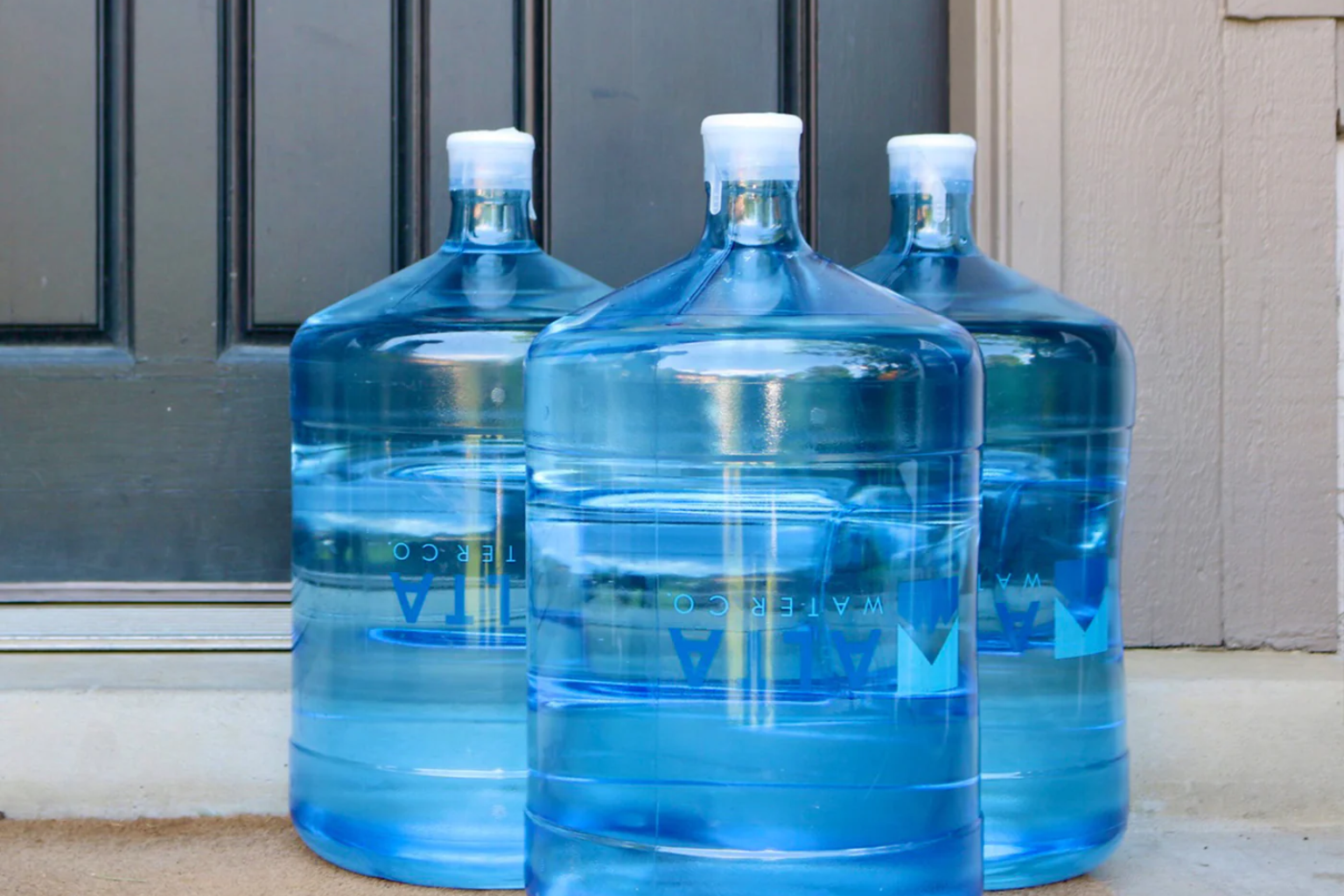
    Services in NYC often offer options beyond simple water delivery, too. Many businesses opt for water dispensers that use 5-gallon bottles, giving them a continuous supply of fresh water that’s easy to use and maintain. For added luxury, some services also offer sparkling water or even flavored options. Whether you’re in an office, retail environment, or hosting clients at a large corporate event, you can have clean, refreshing water on hand at all times.

    Eco-Friendly Water Solutions for Businesses

    As sustainability becomes more important to consumers and businesses alike, many water delivery services in NYC are embracing eco-friendly practices. Traditional bottled water often comes in plastic containers that are used once and thrown away, contributing to the growing problem of plastic waste. Fortunately, water delivery services commercial NYC are starting to prioritize reusable bottles and environmentally friendly options.

    For example, many services now offer 5-gallon glass bottles or large plastic bottles that can be refilled, reducing the overall demand for new plastic. Some companies also take steps to recycle old bottles and containers, helping to reduce waste in the community.

    If your business is looking to reduce its carbon footprint and promote sustainability, choosing a water delivery service that offers eco-conscious solutions is an easy way to make a positive impact.

    How to Choose the Right Water Delivery Service for Your Business

    When it comes to choosing a water delivery service commercial NYC, it’s important to do your research. There are plenty of options out there, so consider the following factors before making your decision:

    1. Water Quality: Make sure the water you’re receiving is clean, fresh, and free from contaminants. Look for services that offer purified or spring water, and check if they have quality assurance procedures in place.
    2. Delivery Flexibility: Businesses have different needs when it comes to water delivery schedules. Find a service that can accommodate your preferred delivery times and quantities.
    3. Pricing: Be sure to compare prices between different services. While you want quality, it’s also important to find a service that fits within your budget. Ask about discounts for regular deliveries or bulk orders.
    4. Customer Service: Reliable, responsive customer service is essential. Choose a company that is easy to reach, addresses concerns quickly, and can adapt to your needs as your business grows.

    Conclusion: Hydration for Success

    In the end, commercial water delivery is a simple but effective solution to a very real problem. By choosing a reliable service like water delivery services commercial NYC, you’re ensuring that your team stays hydrated, healthy, and productive without adding unnecessary tasks to your already packed schedule. Whether you’re in the middle of a busy office, running a customer-facing business, or planning a corporate event, having access to clean, fresh water at all times is a game-changer. So why not make it easy on yourself and your team? Stay hydrated, stay productive, and let a trusted water delivery service handle the rest.

  • Framing Elegance: Why Wrought Iron Doors and Windows Still Steal the Spotlight

    Framing Elegance: Why Wrought Iron Doors and Windows Still Steal the Spotlight

    It’s funny how some materials just carry their weight in charm, even centuries after their invention. Stone. Wood. Iron. They’ve stuck around for good reason. They feel grounded. They look timeless. They tell a story. And when it comes to doors and windows, iron—especially in its decorative, crafted forms—does a lot more than function. It transforms.

    You’ve probably noticed this trend creeping back into homes, restaurants, and storefronts: dark, graceful lines framing glass, grand arched double doors at entryways, and finely detailed scrolls that feel more European villa than suburban standard. That’s no accident. The appeal of wrought and rod iron is surging, not just for aesthetics but for lasting strength. So let’s break down the charm, the practicality, and—yes—the affordability of these heavy hitters.


    What’s the Deal with Rod Iron?

    First things first: a little naming clarity. “Rod iron” is often used in casual conversation, but it’s usually a mishearing of “wrought iron.” True wrought iron is worked by hand (wrought meaning “worked”), which gives it that beautiful, textured, artisanal look. And while the exact metallurgy can vary in modern versions, the result remains a visual classic.

    Still, rod iron windows—or wrought iron framed windows, if we’re being exact—offer much more than just a design feature. These windows stand out. They create structure and contrast, especially in homes with a softer, more natural palette. Against wood siding or white plaster? Stunning. Inside a modern, concrete loft? Even better.

    Plus, they offer a surprising amount of flexibility. From classic French grids to clean-lined industrial styles, iron windows can tilt in both traditional and contemporary directions. And don’t forget: they’re not just pretty. These frames are durable, fire-resistant, and hard to damage—ideal for both peace of mind and long-term performance.


    The Door That Changes Everything

    A home’s front door isn’t just a point of entry. It’s a handshake. An invitation. A first impression that tells the world what to expect inside. So, if your entryway is still clinging to that standard-issue fiberglass panel from the 2000s, now might be a great time to upgrade.

    And what better way to make an entrance than with a set of wrought iron double doors for sale? These doors aren’t shy. They’re dramatic in the best way—symmetrical, substantial, and statement-making. Whether adorned with glass inserts or patterned ironwork, double doors are like architectural jewelry for your home.

    They’re perfect for larger entryways, of course, but can also work surprisingly well in narrower spaces. A pair of slender doors often feels grander than one oversized slab. And for homes with tall ceilings, arched or transom-topped iron doors add vertical grace and grandeur.

    Worried about maintenance or insulation? Don’t be. Modern versions of these doors often come with double-paned glass, energy-efficient cores, and rust-resistant coatings. They’re as functional as they are beautiful—and built to last decades.


    Budget Beautifully with Iron

    Let’s talk money. Because yes, custom, ornate iron doors can carry a hefty price tag. But that’s not the whole story.

    There’s a growing market of cheap wrought iron doors that still offer plenty of charm without the luxury price point. These aren’t flimsy or faux. They’re often mass-produced models in standard sizes—less custom, but still crafted with care. Many builders and renovators source these for projects that need that wow factor on a budget.

    And here’s the kicker: even the more affordable iron doors tend to outperform their cheaper wood or fiberglass counterparts in lifespan, durability, and visual appeal. So while the upfront investment may be slightly higher, the long-term value speaks for itself.

    Just make sure you’re buying from a reputable source—preferably with reviews, photos, and clear specifications. A poorly finished iron door can rust or warp if it’s not properly sealed, so check for powder coating and welded joints.


    Design Tips for a Cohesive Look

    If you’re introducing iron into your home, a little goes a long way—but coordination is key. Match your front door with other iron elements like light fixtures, stair railings, or even planter boxes. Consistency across finishes helps the look feel intentional, not accidental.

    Pair rod iron windows with soft, warm textures—linen drapes, natural wood floors, muted walls—to soften the visual impact. And if you’re going modern, go all in: crisp lines, matte black finishes, and neutral palettes create that minimalist-chic vibe everyone loves right now.

    Inside the house, iron-framed glass partitions can define space without closing it off—great for open-plan living areas that still need a bit of separation between, say, your kitchen and your workspace.


    The Verdict: Timeless, Tough, and Totally Worth It

    Here’s what it boils down to. Iron has never really gone out of style—it’s just evolved. From decorative balconies in Paris to sleek urban interiors in New York, it’s always had a place. And right now, that place is expanding.

    With more rod iron windows, wrought iron double doors for sale, cheap wrought iron doors available than ever, it’s a great time to reimagine your spaces with something that lasts, impresses, and adds serious value.

    So, next time you’re staring at that boring builder-grade door or considering a window replacement, consider iron. Not because it’s trendy—but because it’s timeless. And in a world where everything feels like it’s changing fast, that kind of permanence feels like a luxury all its own.

  • The Unsung Hero of the Power Grid: Why Every Facility Needs a Great Maintenance Electrician

    The Unsung Hero of the Power Grid: Why Every Facility Needs a Great Maintenance Electrician

    Let’s talk about something that doesn’t get nearly enough credit—maintenance. Not glamorous, not exciting, but absolutely essential. Because behind every humming HVAC system, every glowing office light, every piece of machinery doing its job without complaint, there’s someone checking wires, flipping breakers, testing loads, and fixing issues before anyone even notices a problem. That someone? A maintenance electrician.

    This isn’t the kind of job that headlines press releases or gets flashy ads in the paper. But without them, a whole lot of modern life would come to a screeching halt.


    Not Just “Fix-It” Folks—They’re the Keep-It-Running Pros

    You might think of electricians as the folks who swoop in when something breaks. Lights flickering? Circuit’s out? Outlet’s dead? Sure, they’ll fix it. But a maintenance electrician is the kind of professional who’s already been there, done the checks, made the tweaks—and prevented that outage in the first place.

    This role is all about anticipation. About spotting the little signs of wear and tear, corrosion, imbalance, or overload before they snowball into big, expensive, time-sucking problems. Think of them like the backstage crew of a big concert—if they do their job right, nobody notices them. Everything just… works.


    Different From Your Average Electrician

    There are many kinds of electricians—residential, construction, industrial, commercial—but maintenance electricians have their own unique rhythm. They’re not just wiring up new buildings or chasing down emergencies (though they’re more than capable of both). Their job is consistency. Reliability. Quiet excellence.

    They often work in factories, hospitals, hotels, schools, government buildings, office complexes—anywhere that needs complex systems running smoothly 24/7. They know those systems inside and out. And not just the electrical stuff, either. Sometimes they’re knee-deep in blueprints. Other times, they’re interpreting data from programmable logic controllers (PLCs), running diagnostics, or replacing aging components in the middle of the night so your morning shift never misses a beat.


    A Day in the Life (Spoiler: It’s Not Boring)

    So, what does a day look like for a maintenance electrician? No two are the same—but here’s a taste.

    It might start with a routine check of a building’s main electrical panel. Then it’s onto testing emergency lighting systems to make sure they’ll fire up in a blackout. Maybe there’s a schedule to inspect and clean motor control centers. Or an alert pops up from the building’s automation system flagging a spike in current—time to investigate.

    And if something is malfunctioning? The maintenance electrician is ready. Multimeter in hand, circuit knowledge in their head, safety gear on—they’re there to find the issue, fix it fast, and keep everything running without missing a beat.

    It’s hands-on, high-stakes, and detail-driven work. And the people doing it have to be both technically sharp and endlessly patient.


    The Hidden Cost of Skipping Maintenance

    Here’s the truth: reactive maintenance—the kind where you only fix something after it breaks—is a ticking time bomb. It’s expensive. It’s disruptive. And it often means longer downtime, costlier parts, and a whole lot of finger-pointing when things go wrong.

    But a solid maintenance plan? It saves money. Saves time. Saves stress. And at the heart of that plan should be a professional who doesn’t just fix electrical systems but actually understands them.

    That’s where a maintenance electrician proves their value tenfold. They don’t just show up with a toolbelt—they show up with insight. With a sixth sense for problems before they start. With a dedication to the systems that keep your business running, your machines moving, and your people safe.


    Skills That Go Beyond the Breaker Box

    Let’s give these folks a little more credit. They’re not just good with tools—they’re critical thinkers. Analysts. Communicators. They interpret blueprints and schematics like second language. They know when to escalate and when to handle it solo. They’re constantly learning—because technology doesn’t stand still, and neither does the work.

    Maintenance electricians are also big on safety. They don’t take shortcuts, and they definitely don’t take chances. Working with high-voltage systems, tight spaces, and sensitive machinery means attention to detail isn’t just a skill—it’s a requirement.


    Hiring a Maintenance Electrician? Here’s What to Look For

    Thinking about bringing one on board? Whether you’re managing a hotel, overseeing a manufacturing plant, or running a large office building, finding the right maintenance electrician can make a world of difference.

    Look for someone with:

    • Licensing and certifications – Don’t cut corners here. You want someone who knows the codes and follows them.
    • Experience in similar environments – Commercial vs. industrial systems can be vastly different.
    • Problem-solving mindset – It’s not just about spotting an issue, it’s about solving it efficiently.
    • Willingness to learn – Tech evolves. So should your electrician.
    • Calm under pressure – Emergencies will happen. You want someone who doesn’t panic when the lights flicker.

    And honestly? Gut instinct counts too. If they talk shop confidently, ask good questions, and seem like they’re already thinking two steps ahead—that’s probably your person.


    Final Thoughts: Because “Working Fine” Isn’t Always Fine Enough

    Electricity is like air conditioning or coffee in a busy office—you don’t realize how much you depend on it until it’s gone. And by then? It’s usually too late for easy fixes.

    A good maintenance electrician is your first line of defense against chaos. They’re the ones who keep the wheels turning quietly, reliably, and safely while the rest of the world goes about its business. They don’t ask for a spotlight—but they definitely deserve one.

    So here’s to the ones walking the corridors with a flashlight and a checklist, the ones who never panic when the panel hums funny, and the ones who know your system better than you do. They might just be the most important person on your team that nobody sees.

    But trust us—when the lights stay on, you’ll know exactly who to thank.