Blog

  • Where is Ruby Jamerson Now: Unveiling the Current Ventures of a Prominent Figure

    In the realm of curiosity about individuals who have left an indelible mark, the name Ruby Jamerson resonates profoundly. From her early contributions to her recent whereabouts, this article delves into the journey and current pursuits of this notable personality.

    Early Life and Rise to Prominence

    A Glimpse into Ruby’s Formative Years

    Ruby Jamerson’s story commences in the vibrant city of New York, where she was born and raised. Growing up amidst a bustling urban landscape, she developed an inherent passion for the arts, especially painting and literature. Her early proclivity for creativity paved the way for her future endeavors.

    Emergence in the Art Scene

    As she matured, Ruby’s talents flourished. She gained recognition for her artwork’s unique fusion of colors and thought-provoking themes. With her captivating pieces displayed in local galleries, she began to make waves in the art scene. Her innovative approach and distinctive perspective earned her a dedicated following.

    Achievements and Milestones

    Founding of “Expressive Canvas”

    In her early twenties, Ruby established “Expressive Canvas,” an art collective that aimed to provide a platform for emerging artists. Through this venture, she curated exhibitions that showcased the works of diverse creators, fostering a sense of community within the art world.

    Literary Ventures and Impact

    Beyond her visual artistry, Ruby channeled her creativity into the realm of literature. Her debut novel, “Whispers of Eternity,” garnered critical acclaim for its lyrical prose and poignant storytelling. The novel’s success solidified her reputation as a multidimensional artist.

    Present Endeavors and Whereabouts

    Exploring New Horizons

    As the years went by, Ruby’s desire for exploration led her to venture into different creative avenues. She expanded her artistic repertoire to include photography and filmmaking, using these mediums to convey narratives that resonated with global audiences.

    A Nomadic Lifestyle

    Intriguingly, Ruby chose to embrace a nomadic lifestyle, traveling to various corners of the world for inspiration. Her social media presence provides glimpses of her experiences, offering followers a vicarious insight into her creative process and the cultures that influence her work.

    In a world that values versatility and innovation, Ruby Jamerson stands as a testament to the power of creative expression. Her journey from a budding artist in New York to a globe-trotting creator exemplifies the essence of artistic evolution. As she continues to leave her imprint on the art world, her whereabouts remain a captivating enigma, making each new creation an exciting revelation.


  • Indian Matka – Unraveling the Mysteries of a Popular Betting Game

    Indian Matka – Unraveling the Mysteries of a Popular Betting Game

    In the realm of online gambling and betting, few games have captured the imagination of enthusiasts quite like Indian Matka. This age-old game, also known as Indian Satta, Golden Matka, and several other names, has been a source of excitement and intrigue for many. In this comprehensive guide, we delve deep into the world of Indian Matka, uncovering its history, rules, and strategies that have made it a favorite pastime for countless individuals. Let’s embark on a journey through the captivating universe of Indian Matka.

    The Origins of Indian Matka

    Indian Matka has a rich and intriguing history that dates back to pre-independence India. It is said to have originated in the bustling streets of Mumbai, formerly known as Bombay, in the early 1960s. The game’s roots can be traced to a practice involving betting on the opening and closing rates of cotton transmitted from the New York Cotton Exchange to the Bombay Cotton Exchange.

    As the game evolved, it took on the form of a lottery, with players selecting numbers that corresponded to various aspects of daily life. Over time, Indian Matka became more organized and structured, leading to the development of a specific set of rules and a unique way of playing.

    How Indian Matka is Played

    Indian Matka is a game of chance that relies on the selection of numbers. It is typically played twice a day, with results declared in the morning and evening. The game involves selecting a combination of numbers from 0 to 9, which are then used to create a three-digit result. For example, if a player selects the numbers 2, 5, and 7, the result is calculated as follows:

    • The first digit is the sum of the selected numbers: 2 + 5 + 7 = 14.
    • The second digit of the result is the last digit of the sum: 4.
    • The third digit is the first digit of the sum: 1.

    So, in this example, the result is 147. The player’s bet is based on this three-digit number.

    The Fascination of Indian Matka

    What makes Indian Matka so captivating is the element of suspense and unpredictability. Players are drawn to the thrill of waiting for the results, which can yield substantial financial rewards if their chosen numbers match the final outcome. It’s this excitement and anticipation that have kept the game alive and thriving for decades.

    Strategies for Playing Indian Matka

    While Indian Matka is primarily a game of chance, seasoned players often employ various strategies to increase their odds of winning. Here are a few tips for those looking to try their luck:

    1. Understanding the Odds: Study the historical results to identify patterns and trends. This can help you make informed decisions when selecting your numbers.
    2. Managing Your Bets: Be mindful of your budget and set limits on how much you’re willing to wager. Responsible gambling is essential to enjoying the game without risking financial strain.
    3. Choosing Your Numbers: Some players rely on superstitions or personal beliefs when selecting their numbers. Whether it’s birthdays, anniversaries, or lucky numbers, choose numbers that resonate with you.
    4. Variety is Key: Don’t stick to the same set of numbers every time. Mix it up and try different combinations to keep the game exciting.

    The Online Revolution

    With the advent of the internet, Matka 420 has found a new audience online. Numerous websites and apps now offer the opportunity to play this timeless game from the comfort of your home. These platforms provide real-time results, making it easier than ever to participate in the excitement of Indian Matka.

    Indian Matka, with its intriguing history, rules, and strategies, continues to be a popular choice for betting enthusiasts. The combination of chance and strategy makes it a unique and thrilling experience. As you embark on your Indian Matka journey, remember to play responsibly and enjoy the excitement that this game has to offer.

  • Gaming Adaptations: Exploring the World of Video Game Movies

    Gaming Adaptations: Exploring the World of Video Game Movies

    The worlds of gaming and cinema have long been intertwined, with video game adaptations making their way to the big screen. However, the transition from console to cinema screen is not always seamless. In this article, we’ll delve into the complex relationship between video games and movies, exploring the challenges, successes, and potential of gaming adaptations.

    Video game movies have a mixed track record in terms of critical reception and box office success. While some adaptations, such as “Resident Evil” and “Detective Pikachu,” have found their audience, others have struggled to capture the essence of the games they’re based on.

    One of the challenges of adapting video games to movies is translating interactive experiences into passive entertainment. Games offer agency and immersion, while movies are a curated visual and narrative journey. Striking a balance between fidelity to the source material and creating a cinematic experience is a delicate endeavor.

    Storytelling is a central aspect of both video games and movies. However, video games often allow players to shape the narrative through their choices and actions. Adapting this non-linear storytelling to a linear cinematic format can be a creative challenge.

    Characterization is another critical element. Iconic video game characters need to be portrayed authentically while also allowing room for interpretation. The visual and emotional connection players have with these characters adds an extra layer of responsibility to filmmakers.

    Successful adaptations often focus on capturing the essence and atmosphere of the game world rather than rigidly following the game’s plot. “Silent Hill” and “Mortal Kombat” are examples of adaptations that successfully transported the unique worlds and aesthetics of their respective games to the big screen.

    The potential of gaming adaptations lies in recognizing the strengths of each medium and finding innovative ways to bridge the gap. Transmedia storytelling, where games and movies coexist within the same universe, can offer a comprehensive experience for fans.

    In conclusion, the relationship between video games and movies is complex and multifaceted. While challenges persist, successful gaming adaptations demonstrate that when done right, these crossovers can offer new perspectives and opportunities for fans to engage with beloved narratives in different ways. The future of gaming adaptations holds the potential for creative synergy between two dynamic and influential mediums.

  • Female Representation in Gaming: Progress, Challenges, and Future

    Female Representation in Gaming: Progress, Challenges, and Future

    The gaming industry has come a long way in terms of female representation, but there’s still much work to be done. From character diversity to game development careers, the landscape is evolving. In this article, we’ll explore the progress, challenges, and future of female representation in gaming.

    Historically, female characters in video games were often portrayed as stereotypes or exaggerated tropes. However, the demand for more diverse and authentic representation has led to the creation of well-rounded, empowered female characters. Games like “Horizon Zero Dawn” and “Tomb Raider” feature strong female protagonists who challenge conventions.

    Additionally, the gaming industry is gradually becoming more inclusive in terms of game development careers. More women are pursuing roles in game design, programming, art, and writing. Initiatives and organizations are providing support and mentorship for women interested in entering the industry.

    However, challenges persist. The “gamer girl” stereotype and online harassment continue to deter some women from fully engaging in gaming communities. The underrepresentation of women in leadership positions and the gender pay gap are issues that need to be addressed industry-wide.

    Advocacy for diversity and inclusion is gaining momentum. Gamers, developers, and organizations are pushing for greater representation of women and other marginalized groups in gaming content, development teams, and industry events. Platforms that spotlight diverse voices are gaining traction, creating spaces for underrepresented creators.

    The future of female representation in gaming holds promise. As more women enter the industry, the perspectives and stories they bring will enrich gaming narratives. Efforts to combat toxicity and harassment are shaping a more welcoming environment for everyone.

    In conclusion, female representation in gaming is undergoing a transformation, fueled by both progress and challenges. The push for diverse characters, inclusive communities, and equal opportunities is shaping a more inclusive and vibrant gaming landscape for all players and creators.

  • The Glamour and Grit: Documenting the Lives of Behind-the-Scenes Crews

    The Glamour and Grit: Documenting the Lives of Behind-the-Scenes Crews

    When we think of the film and entertainment industry, our attention often gravitates toward the actors and directors who are in the spotlight. However, the magic of filmmaking is made possible by a dedicated and talented team of behind-the-scenes professionals. In this article, we’ll explore the world of behind-the-scenes crews, shedding light on the glamour and grit that define their roles in bringing cinematic visions to life.

    Behind-the-scenes crews encompass a wide range of roles, each contributing to different aspects of filmmaking. From cinematographers and production designers to costume designers and sound engineers, these professionals collaborate to create the visual, auditory, and emotional components of a film.

    Cinematographers, also known as directors of photography, are responsible for capturing the visual essence of a film. They make artistic decisions regarding camera angles, lighting, and composition to evoke specific emotions and immerse viewers in the story’s world.

    Production designers are the architects of the film’s visual universe. They create sets, props, and environments that align with the director’s vision and enhance the narrative. Production designers collaborate closely with directors to establish the film’s visual style.

    Costume designers contribute to character development by creating outfits that reflect personalities, eras, and contexts. Their work is not just about aesthetics; it’s about storytelling through clothing.

    Sound engineers and designers play a crucial role in shaping the auditory experience of a film. They craft soundscapes, mix dialogue, music, and effects, and ensure that audio elements enhance the storytelling.

    While these roles come with their own glamour, they are not without challenges. Long hours, tight deadlines, and the need to adapt to unpredictable circumstances are part of the behind-the-scenes reality. Collaboration and problem-solving are essential skills for thriving in this dynamic environment.

    Documentaries that focus on behind-the-scenes crews offer a unique perspective into the filmmaking process. Films like “Cinematographer Style” and “The Cost of Darkness” provide glimpses into the challenges, triumphs, and personal journeys of these professionals.

    In conclusion, the world of behind-the-scenes crews is one of creativity, dedication, and collaboration. These professionals play a pivotal role in bringing cinematic visions to life, and their work deserves recognition and appreciation alongside the actors and directors who grace the screen.

  • Animated Films Beyond Childhood: Impact and Themes for All Ages

    Animated Films Beyond Childhood: Impact and Themes for All Ages

    Animated films have long been associated with children’s entertainment, but their appeal extends far beyond the younger demographic. In recent years, animated films have tackled complex themes, offered social commentary, and resonated with audiences of all ages. In this article, we’ll explore the impact of animated films beyond childhood and delve into the themes that make them universally relatable.

    Animated films have evolved into a versatile medium that can convey a wide range of emotions and stories. While children’s films remain a significant part of the genre, filmmakers are increasingly crafting narratives that appeal to adults as well. This evolution is reflected in the success of films like “Inside Out,” “Coco,” and “Soul.”

    One of the reasons for the appeal of animated films to all ages is their ability to explore intricate emotional landscapes. Animated characters can express emotions in visually exaggerated ways that resonate with audiences. This heightened emotional expression creates a powerful connection between viewers and characters.

    Moreover, animated films often delve into complex themes and social issues. Films like “Zootopia” tackle topics of prejudice and discrimination, while “WALL-E” raises concerns about environmental degradation. These themes provide opportunities for reflection and conversation, making animated films a valuable tool for fostering discussions about real-world issues.

    Visual storytelling is a hallmark of animated films. The creativity and artistry that go into crafting these visuals are awe-inspiring, regardless of the viewer’s age. Animation allows filmmakers to create fantastical worlds, experiment with visual styles, and push the boundaries of imagination.

    The success of animated films beyond childhood highlights the blurring line between genres. Animation can be a medium for any story, whether it’s a heartwarming family tale or a thought-provoking exploration of societal challenges.

    In conclusion, animated films have transcended their traditional association with childhood to become a medium that resonates with audiences of all ages. With their emotional depth, complex themes, and visually stunning storytelling, animated films offer a unique and valuable cinematic experience that speaks to the universal human experience.

  • Mergers and Acquisitions: Navigating Complex Business Transitions

    Mergers and Acquisitions: Navigating Complex Business Transitions

    Mergers and acquisitions (M&A) are complex business transactions that can reshape industries and companies. However, these transitions are not without challenges. From cultural integration to strategic alignment, successfully navigating the M&A process requires careful planning, execution, and communication. In this article, we’ll explore the intricacies of mergers and acquisitions and discuss key strategies for managing the complexities of these transitions.

    M&A transactions can take various forms, including mergers (when two companies combine to form a new entity) and acquisitions (when one company purchases another). Regardless of the type, successful M&A hinges on clear strategic goals and alignment between the two entities.

    Cultural integration is a critical consideration. Merging two organizations with distinct cultures can lead to friction and disrupt operations. It’s essential to identify cultural similarities and differences and develop a plan to foster a unified culture.

    Communication is paramount throughout the M&A process. Employees, customers, investors, and other stakeholders need clear and transparent information about the transition. Effective communication can alleviate uncertainty and mitigate resistance to change.

    Due diligence is a rigorous process that involves assessing the financial, operational, legal, and regulatory aspects of the target company. Identifying potential risks and synergies early on is crucial for making informed decisions.

    Post-merger integration is where the real work begins. Aligning processes, technologies, and teams requires meticulous planning and execution. A well-defined integration plan can ensure a smooth transition and minimize disruptions.

    Leadership plays a significant role in the success of M&A. Having a strong leadership team that can guide the organization through the changes and challenges is essential. Leaders should lead by example and actively communicate the vision for the merged entity.

    M&A transactions also require managing talent. Identifying key personnel, addressing potential redundancies, and providing growth opportunities for employees are essential steps in retaining valuable talent.

    However, not all M&A transactions succeed. Some fail due to poor strategic fit, cultural clashes, or unrealistic expectations. In such cases, it’s essential to assess the situation objectively and determine the best course of action, whether it’s a modified integration plan or divestiture.

    In conclusion, mergers and acquisitions are complex endeavors that require careful planning, execution, and communication. From due diligence to cultural integration to post-merger integration, successful M&A involves navigating a range of challenges. With the right strategies and a clear vision, organizations can seize the opportunities that M&A offers and achieve successful business transitions.

  • Rethinking Customer Service: Personalization in a Digital Era

    Rethinking Customer Service: Personalization in a Digital Era

    In an era defined by digital connectivity, the landscape of customer service is undergoing a profound transformation. Customers now expect personalized experiences that cater to their individual preferences and needs. In this article, we’ll explore the concept of personalization in a digital era and discuss how businesses can reimagine their customer service strategies to meet these evolving expectations.

    Personalization in customer service goes beyond using a customer’s name in communication; it involves understanding their preferences, history, and behaviors to deliver tailored experiences. This approach recognizes that every customer is unique and values their individuality.

    Data is at the heart of personalization. Businesses collect data from various touchpoints, such as online interactions, purchases, and social media engagement. By analyzing this data, companies can gain insights into customer preferences and habits.

    AI and machine learning play a critical role in transforming data into actionable insights. These technologies enable businesses to predict customer preferences, recommend relevant products, and even anticipate potential issues. For example, AI can analyze browsing history to suggest products a customer is likely to be interested in.

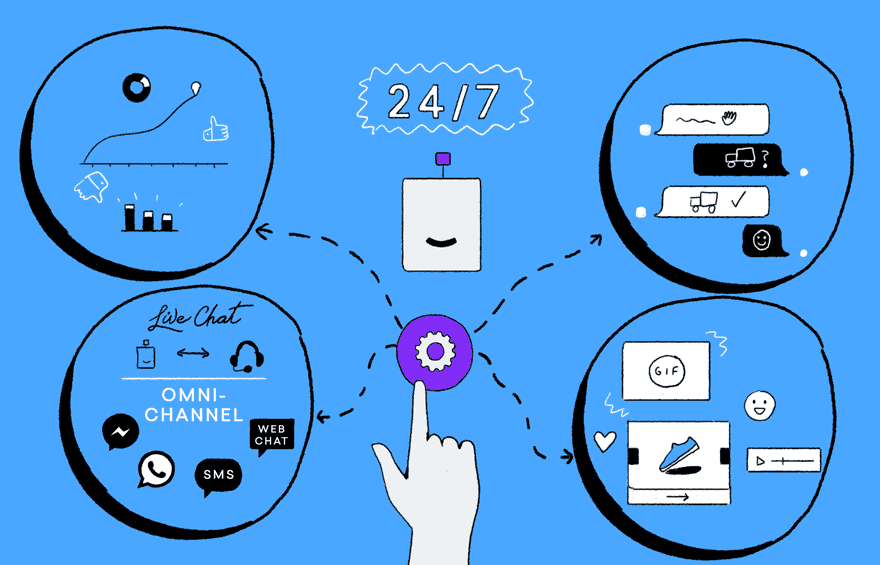
    Omnichannel personalization is another key trend. Customers interact with businesses across various channels, from social media to email to in-store visits. By integrating these interactions, businesses can provide a seamless and consistent experience.

    Hyper-personalization takes personalization to the next level. This involves creating individualized journeys for each customer based on real-time data. For instance, an e-commerce site could display different products to different customers based on their recent browsing behavior.

    Transparency and consent are essential in the age of personalization. Customers need to know how their data is being used and have the ability to opt in or out of personalized experiences. Building trust is crucial for a successful personalization strategy.

    In conclusion, personalization in a digital era is about leveraging data and technology to create meaningful and relevant interactions with customers. By understanding customer preferences, using AI and machine learning, and embracing omnichannel approaches, businesses can elevate their customer service and foster stronger relationships with their customers.

  • AI in Customer Service: Chatbots, Personalization, and More

    AI in Customer Service: Chatbots, Personalization, and More

    Artificial Intelligence (AI) has rapidly transformed various industries, and customer service is no exception. AI-powered solutions are changing the way businesses interact with customers, offering personalized experiences and efficient problem-solving. In this article, we’ll delve into the role of AI in customer service, focusing on chatbots, personalization, and other AI-driven advancements.

    Chatbots are perhaps the most recognizable AI application in customer service. These automated systems use natural language processing (NLP) to interact with customers in real time. They can answer frequently asked questions, assist with troubleshooting, and even guide customers through the purchasing process.

    Chatbots offer several benefits for businesses. They provide round-the-clock support, ensuring that customers’ inquiries are addressed at any time. This not only enhances customer satisfaction but also reduces the burden on human agents.

    AI-driven personalization is another game-changer in customer service. By analyzing customer data and behavior, AI algorithms can tailor recommendations, offers, and content to individual preferences. This creates a more personalized and relevant experience for customers.

    Predictive analytics is another AI application that benefits customer service. By analyzing past interactions and patterns, AI can predict customer needs and proactively offer solutions. For example, AI can anticipate when a customer is likely to require a subscription renewal and send a reminder.

    AI-powered sentiment analysis helps businesses understand customer emotions and feedback. By analyzing social media posts, reviews, and support interactions, AI can gauge customer satisfaction and identify potential issues before they escalate.

    However, implementing AI in customer service requires careful consideration. Maintaining a balance between automated and human interactions is crucial. While AI can handle routine tasks, complex issues may still require human intervention. Additionally, ensuring data privacy and transparency in AI-driven decisions is essential to building trust with customers.

    In conclusion, AI is revolutionizing customer service by offering efficient and personalized interactions. Chatbots, personalization, predictive analytics, and sentiment analysis are just a few examples of how AI is reshaping the customer experience landscape. As businesses continue to embrace AI-driven solutions, the future of customer service promises even greater efficiency and customer satisfaction.

  • Rise of E-Learning Platforms: The Future of Remote Education

    Rise of E-Learning Platforms: The Future of Remote Education

    The landscape of education has undergone a significant transformation in recent years, with e-learning platforms emerging as powerful tools for remote education. This transformation was accelerated by the global pandemic, which highlighted the importance of flexible and accessible learning solutions. In this article, we’ll explore the rise of e-learning platforms and their role in shaping the future of education.

    E-learning platforms offer a wide range of benefits that traditional classroom settings cannot always provide. One of the most significant advantages is flexibility. Learners can access courses and materials at their own pace, allowing them to balance education with other commitments.

    The accessibility of e-learning platforms is also noteworthy. Learners from different geographical locations, backgrounds, and abilities can access educational content without the need for physical presence. This inclusivity has democratized education and expanded learning opportunities.

    Personalization is another key feature of e-learning. Advanced algorithms and data analytics enable platforms to tailor content to individual learners’ needs and preferences. This customized approach enhances engagement and learning outcomes.

    The interactive nature of e-learning platforms fosters active learning. Multimedia content, quizzes, discussions, and simulations keep learners engaged and encourage them to apply their knowledge in practical scenarios. This promotes deeper understanding and retention.

    Moreover, e-learning platforms provide opportunities for lifelong learning and upskilling. Professionals can continue their education while working, acquiring new skills that enhance their career prospects.

    The rise of e-learning also challenges traditional notions of education. Asynchronous learning models and microlearning (short, focused lessons) are gaining traction, allowing learners to absorb information in digestible formats that fit their schedules.

    However, challenges remain. Digital accessibility, learner engagement, and the need for effective assessment methods are ongoing concerns that e-learning platforms must address. Ensuring that all learners, regardless of their technical proficiency or resources, can benefit from e-learning is crucial.

    In conclusion, e-learning platforms are redefining education by offering flexibility, accessibility, personalization, and interactive learning experiences. As technology continues to evolve, the future of education is likely to be shaped by a blend of traditional classroom settings and innovative e-learning solutions.