When Your Washer Stops Spinning: A Real Talk Guide to Repair and Reliability
There’s nothing quite like the sinking feeling you get when you open your washing machine and realize the clothes are still dripping wet. Or worse, the thing won’t even start. A broken washer always seems to strike at the worst possible time — right before a work trip, just as you’re about to pack for a weekend getaway, or when the laundry pile has already hit Mount Everest levels.
And that’s usually the moment when most of us do what we always do in a minor domestic crisis: grab the phone, type washing machine repair near me into Google, and hope someone reliable shows up before the laundry smell takes over the entire house.
The Small but Mighty Appliance
For such a large, noisy piece of equipment, the washing machine rarely asks for attention. It’s the workhorse of the household — endlessly spinning, rinsing, and repeating without much thanks. Only when it stops working do we suddenly realize just how much of our routine hinges on its reliability. Unlike a microwave or coffee maker, you can’t exactly improvise a backup plan for a broken washer. Laundromats exist, sure, but juggling bags of clothes and coins isn’t the lifestyle most people want to revert to.
That’s why quick repairs matter. A washing machine breakdown isn’t just an inconvenience; it’s a small-scale household emergency.
Why DIY Isn’t Always the Hero Move
Plenty of people are tempted to fix their washer themselves, and to be fair, some problems are simple enough for a confident DIYer. Replacing a cracked drain hose or unclogging the filter can feel oddly satisfying. But then there are the trickier cases — electrical issues, faulty control boards, or drum malfunctions — where YouTube tutorials only get you so far.
Washing machines are surprisingly complex. Messing with wiring or misaligning internal parts can turn a small issue into an expensive replacement job. Sometimes calling in a pro isn’t just about convenience, it’s about saving your wallet from a bigger disaster.
Local Experts Make All the Difference
Every city has its go-to repair folks. In some places, they’re small family businesses that have been around for decades. In others, they’re part of larger service networks with polished websites and 24/7 hotlines. Either way, finding a reliable technician close to home makes the process less stressful.
For instance, if you’re in Alabama, typing washer repair Birmingham AL into a search bar will usually turn up a mix of local shops and national service chains. The difference often comes down to availability, pricing, and customer service. Local techs may offer faster turnaround and more personal communication, while larger companies might provide warranties and easier scheduling.
When to Repair, When to Replace
The eternal question: is it worth fixing, or is this the time to start browsing for a shiny new machine?
There’s no one-size-fits-all answer. If your washer is relatively new and the repair is minor, fixing it is almost always the better choice. But if the machine is over a decade old and the motor or drum is failing, you might be better off investing in a replacement. A good rule of thumb: if the repair cost is more than half the price of a new washer, it’s probably time to move on.
That said, repair services will often walk you through your options honestly. They don’t want you wasting money any more than you do.
The Rise of Service Networks
One thing that’s changed over the past few years is the rise of big-name appliance service networks. Instead of hunting down a lone technician, homeowners can now book through national platforms that partner with certified repair professionals. These networks often offer perks like upfront pricing, transparent scheduling, and even customer support if something goes wrong after the fix.
For example, if you’re searching specifically for Appliances Connection washer repair, you’re likely looking for a trusted, brand-aligned service option. Large networks like that bring peace of mind, especially for people who prefer a polished experience over rolling the dice on an unknown number.
A Few Practical Tips Before You Book
Before you schedule a repair call, it’s worth doing a couple of quick checks:
- Look at the power source. Sometimes the issue really is as simple as a tripped breaker or a loose plug.
- Check the water supply. Low pressure or a closed valve can mimic bigger problems.
- Clean the filter. Clogged filters are one of the most common culprits and are easy to check yourself.
- Listen closely. Take note of unusual sounds (like grinding or clicking) to describe to the technician. This can save diagnostic time.
If none of those simple steps solves the issue, then it’s time to pick up the phone.
What to Expect From a Repair Visit
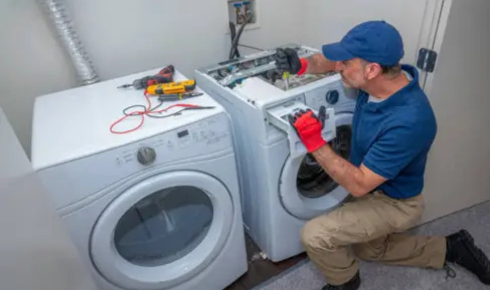
A typical repair appointment usually starts with a quick diagnostic test. The technician may run the machine, inspect the drum, and check electrical connections. They’ll explain what’s wrong, provide an estimate, and (if parts are available) often fix the issue on the spot.
Good repair services will also give you practical advice on maintenance. Simple things like not overloading the drum, using the right detergent, and cleaning out the gasket regularly can significantly extend the life of your washer.
Laundry Lessons Learned
If there’s one takeaway from dealing with broken appliances, it’s this: the little things we rely on every day are worth caring for. A washing machine isn’t glamorous, but it quietly supports our routines, our hygiene, and even our sanity. Giving it the occasional tune-up or calling in help when it falters isn’t just maintenance — it’s respect for the rhythm of daily life.
And when you do need a repair, whether it’s through a local shop, a trusted chain, or a national service partner, remember that you’re not just fixing a machine. You’re buying back your time, your convenience, and that reassuring sense that at least one corner of your busy household is back under control.