Blog

  • Clean Water at Home: Why Smarter Treatment Systems Matter More Than Ever

    Clean Water at Home: Why Smarter Treatment Systems Matter More Than Ever

    There’s something quietly comforting about turning on the tap and knowing the water that flows out is safe, clean, and good for your family. Yet for many people, that peace of mind isn’t guaranteed anymore. Aging infrastructure, hidden contaminants, and the growing awareness of what’s really in our drinking water have nudged more households toward installing filtration and purification setups. And let’s be honest—nobody wants to drink water that tastes faintly metallic, smells off, or leaves residue on dishes.

    For years, people leaned on the old adage, “If it’s clear, it’s clean.” But clarity can be misleading. The truth is, water might look fine but still carry things you don’t want in your body—excess minerals, chemicals, or even microscopic particles that slowly affect health. That’s where modern home solutions step in, offering not just convenience but actual confidence. Families today want Trusted water systems  that deliver on their promise every single day, without fuss, without hidden surprises.


    The Unseen Problem Beneath the Surface

    One of the trickiest issues with water is that many contaminants are invisible. Take iron, for example. If you’ve ever noticed rusty stains in your sink or that odd metallic aftertaste in your drinking glass, you already know how frustrating it can be. Iron itself isn’t inherently dangerous in small amounts, but it can ruin plumbing fixtures, stain laundry, and make your morning coffee taste like pennies.

    That’s why an Iron removal filter can feel like a small miracle for households battling this particular nuisance. By targeting and filtering out excess iron, these systems don’t just improve water quality—they restore your confidence in using it for cooking, drinking, and everyday living. It’s one of those upgrades that pays for itself by saving you from constant scrubbing, replacing stained clothes, or silently enduring that metallic tang.


    Why Taste and Trust Go Hand in Hand

    Water is more than just hydration—it’s the foundation of everything we eat and drink at home. Think about how many times a day water shows up in your routine: brewing coffee, boiling pasta, rinsing vegetables, filling your kid’s bottle, even just quenching your own thirst. If the quality isn’t right, it trickles into everything else.

    People often notice the difference the moment they switch. Clean, treated water tastes fresher, feels lighter, and oddly enough, even encourages you to drink more. It’s like flipping a switch: suddenly, you’re not tolerating water—you’re enjoying it. And that subtle shift matters. Better-tasting water nudges healthier habits, which ripple out into your overall lifestyle.


    The Role of a Full Water Treatment Setup

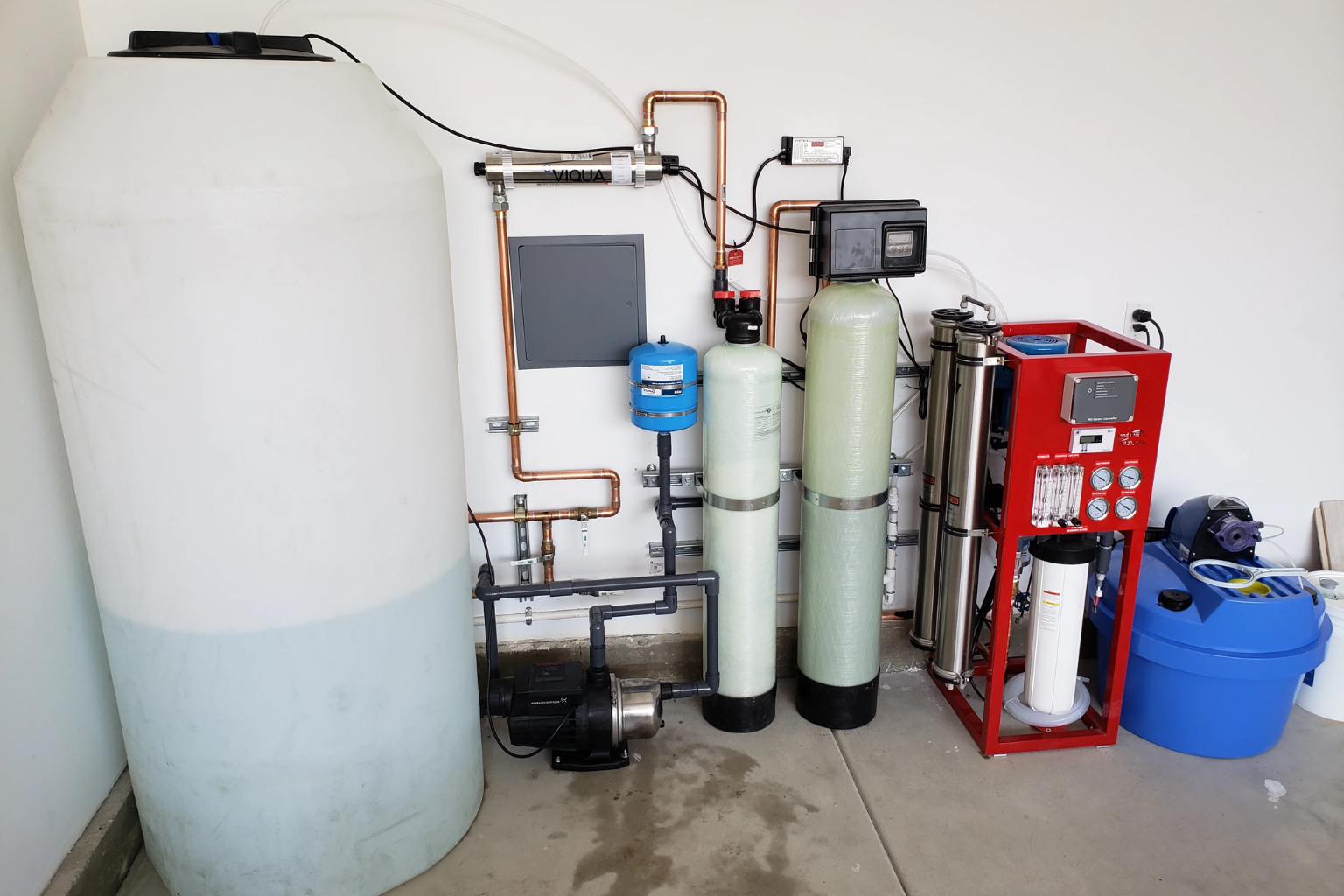
    Now, filtration isn’t just about removing iron or chlorine. Every home has its own cocktail of water challenges, depending on location, pipes, and even seasonal changes. That’s where a complete Water treatment system comes in. Instead of tackling one problem at a time, these setups are designed to handle multiple concerns—hardness, odor, sediments, and more—giving you a one-stop solution.

    The beauty of it is you don’t have to be a water scientist to benefit. Modern systems are sleek, efficient, and often smart enough to self-regulate. Gone are the days of clunky equipment hidden in basements that needed constant attention. Today’s versions quietly do their job in the background, leaving you with smooth showers, spot-free dishes, and healthier water straight from the tap.


    Beyond the Practical: The Emotional Relief

    It’s easy to talk about numbers, contaminants, and features, but there’s also the emotional layer people rarely mention. Knowing your water is clean relieves a quiet but constant anxiety. Parents worry less about their kids filling bottles directly from the sink. Guests are offered a glass without hesitation. Even cooking feels less compromised when you know the base ingredient—water—is genuinely safe.

    That kind of peace of mind doesn’t show up in product specs, but it might just be the most valuable part of the entire setup. Water should feel natural, not questionable. And once you’ve experienced that, it’s nearly impossible to go back.


    Small Steps Toward a Bigger Impact

    Here’s the thing: improving water quality at home isn’t just about personal comfort. Every gallon of clean water that comes from a tap instead of a single-use bottle makes a dent in plastic waste. It’s one of those rare changes where personal benefit overlaps neatly with environmental responsibility. You save money, avoid lugging bottles from the store, and cut down on waste—all in one decision.

    And let’s not overlook the long-term protection for your house itself. Clean water keeps plumbing healthier, extends the life of appliances like dishwashers and washing machines, and prevents buildup that slowly eats into efficiency. It’s not just about what you taste—it’s about what you don’t see happening behind the walls.


    Wrapping It Up

    Water quality may not be the flashiest topic, but it’s one of those essentials that shapes daily life in more ways than we notice. Whether it’s eliminating iron stains, avoiding chemical aftertastes, or simply trusting that what’s coming out of the faucet is truly good for you, these systems make a world of difference.
  • Why Salt Delivery in Texas is More Than Just a Convenience

    Why Salt Delivery in Texas is More Than Just a Convenience

    There are certain things in life you don’t think about much—until they run out. Coffee filters, paper towels, gas in your car… and if you live in a home with a water softener system, salt. It’s not exactly glamorous, but it’s essential. And in Texas, where hard water is more the norm than the exception, staying stocked up on salt is what keeps your appliances running smoothly, your showers feeling fresh, and your dishes sparkling clean.

    If you’ve ever lugged a forty-pound bag of pellets across your driveway in the middle of summer, you already know: this isn’t the kind of chore you dream of doing on your day off. That’s where salt delivery steps in. What might sound like a simple service is actually one of those quiet, game-changing conveniences that makes homeownership just a little easier.


    The Role of Water Softeners in Everyday Life

    Hard water is something you can’t see, but you can absolutely feel. Mineral buildup clings to faucets, scale sneaks into your pipes, and over time, the quality of your water just… drops. It’s subtle at first, like spots on your glasses or soap that doesn’t lather quite right. But left untreated, the damage can get expensive. Appliances break down sooner, pipes clog faster, and energy bills climb.

    That’s why softeners matter. They strip away the extra minerals before they get the chance to wreak havoc. But here’s the catch—your softener can’t do its job without salt. No salt, no softened water. It’s as simple as that. And when you’re dealing with the intensity of Texas hard water, missing a refill can become noticeable real quick.

    Many homeowners now rely on softener salt delivery Texas providers to take the guesswork out of it. Instead of trying to remember when to pick up another bag, deliveries show up on a schedule—right when you need them. No fuss, no back strain, no last-minute runs to the store.


    Why Salt Delivery Isn’t Just a Luxury

    It’s easy to dismiss delivery as an “extra” service, but the reality is a little different. Think about it: you can probably carry one, maybe two bags of salt comfortably. But a water softener doesn’t sip salt—it consumes it steadily. That means regular trips, regular hauling, and regular reminders.

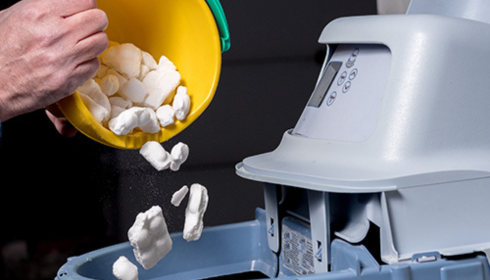
    Add in the Texas heat, and the job becomes more than just a small inconvenience. Suddenly, it’s a sweaty, time-consuming task you’d rather avoid. Delivery takes that off your plate. Some companies even go the extra mile and pour the salt directly into your softener, so you don’t have to touch a thing.

    For many families, especially those juggling busy schedules, this isn’t indulgence. It’s smart home management. And for seniors or anyone with mobility concerns, it can be downright essential. Reliable water softener salt TX deliveries ensure that softened water keeps flowing without anyone having to lift a finger—or a forty-pound sack.


    The Unexpected Benefits

    Here’s something most people don’t realize: keeping your softener properly stocked isn’t just about comfort. It actually protects your home investment. Consistent softening prevents the slow, creeping damage that hard water does to plumbing and appliances. Washing machines, dishwashers, and even water heaters all last longer when hard minerals aren’t chewing them up from the inside.

    That means fewer breakdowns and fewer expensive replacements. Over time, the cost of salt delivery practically pays for itself.

    There’s also the environmental side. A softener that’s properly maintained runs more efficiently, which means less wasted water and less wasted energy. So while it might feel like a small service, it plays into a much bigger picture of sustainability and home efficiency.


    Choosing the Right Service

    Of course, not all delivery services are created equal. Some stick to a basic “drop it on your porch” model, while others offer more tailored options—custom schedules, reminders, or even monitoring systems that let them know when your softener needs a top-up.

    For most homeowners, the sweet spot is a provider that blends reliability with flexibility. After all, nobody wants to be locked into a schedule that doesn’t fit. If you’re in a bustling city or a quieter Texas town, it helps to search for a salt delivery service near me that knows the local water conditions and can recommend the right type of salt for your system.


    A Small Change With a Big Payoff

    Here’s the funny thing about convenience: you don’t notice how much it matters until you have it. The first time you watch someone else wrestle those heavy bags while you stay inside sipping iced tea, you realize this isn’t just about saving effort—it’s about buying back little pieces of your time and sanity.

    So while salt delivery might not sound exciting, it represents something bigger. It’s one of those rare modern luxuries that’s actually practical, affordable, and good for your home in the long run.


    Final Thoughts

    Life in Texas comes with its own unique set of challenges—scorching summers, sudden storms, and yes, hard water. A water softener is your quiet defender against one of those problems, but it only works as well as the salt you keep in it.

  • Keeping Your Basement Dry: Why Sump Pumps Deserve More Credit Than They Get

    Keeping Your Basement Dry: Why Sump Pumps Deserve More Credit Than They Get

    Most homeowners don’t think twice about the small, tucked-away machines in their basements—until they stop working. A sump pump isn’t flashy, it doesn’t get much attention, and you’ll probably never brag about it to your neighbors. Yet, when the skies open up and rainwater starts pressing against your foundation, that humble device is the reason you’re not wading through ankle-deep water in your living room.

    Living in Minnesota, where spring thaw and heavy storms can turn a quiet evening into a flood hazard, the importance of a reliable sump pump is something you only need to learn once. And, for many homeowners, that lesson usually arrives after the first flood. By then, you’re dealing with damage, insurance calls, and a headache that could’ve been prevented with a simple investment in the right pump.


    Installation: Setting Yourself Up for Peace of Mind

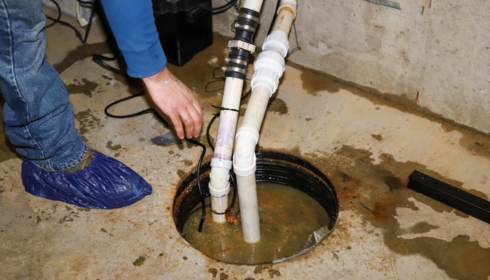
    Think of sump pumps as the unsung bodyguards of your home. They’re always on duty, tucked into the pit at the lowest point of your basement, ready to kick into action at the first sign of rising water. If you’ve recently moved to Hutchinson or you’ve never had one installed, it’s worth looking into sump pump installation Hutchinson MN services before you have to learn the hard way.

    A proper installation isn’t just about dropping a pump into a hole. It’s about understanding water flow patterns around your foundation, ensuring the discharge line carries water away from your home (not back toward it), and making sure the power source is reliable enough to handle storms. Some folks even opt for backup battery systems because, let’s be honest, the time you lose power is usually the exact moment you need your sump pump the most.


    When Repairs Sneak Up on You

    Even the toughest pump has its limits. Maybe it’s been quietly working for ten years, and one day you notice an odd noise echoing from the basement. Or maybe the pump doesn’t kick on when the pit fills up. Small issues like clogs, stuck switches, or worn-out motors can escalate fast. That’s when homeowners start Googling things like basement sump pump repair at midnight while nervously checking their floors for water seepage.

    The tricky part with repairs is they often disguise themselves as minor inconveniences until a big storm rolls in. Suddenly, that odd grinding sound or slow drainage isn’t just a quirk—it’s the reason water is pooling in your basement. A good rule of thumb? Don’t wait until it’s pouring outside to address those warning signs. A quick repair visit now can save thousands in restoration costs later.


    Emergencies Don’t Respect Your Schedule

    Of course, water damage has a knack for showing up at the worst possible times. A thunderstorm doesn’t care that it’s 2 a.m. on a holiday weekend. And when your pump fails in that exact scenario, panic sets in fast. That’s where the value of a reliable emergency sump pump service comes in.

    Having a team you can call around the clock brings peace of mind. It means you don’t have to sit helplessly watching water creep higher, wondering if your boxes of family photos or that new couch will make it through the night. These services aren’t just about swapping parts; they’re about rapid response, mitigation, and stopping the damage before it spirals out of control.


    More Than Just Equipment: It’s About Lifestyle

    Here’s the thing—sump pumps aren’t glamorous. Nobody wants to think about water intrusion or foundation cracks. But ignoring it doesn’t make the problem disappear. If anything, water issues have a way of compounding, quietly undermining your foundation or encouraging mold growth that spreads through the air.

    By keeping your sump pump in good working order, you’re not just protecting concrete and drywall. You’re protecting your family’s health, your home’s value, and your own peace of mind. It’s the difference between confidently watching a storm from your window versus nervously running down to the basement every 15 minutes to check for puddles.


    A Few Practical Takeaways

    If you’ve read this far, you probably care about avoiding the stress that comes with water damage. Here are a few nuggets of advice worth keeping in your back pocket:

    • Test your pump regularly. Pour water into the pit to see if it kicks on. It’s simple but often overlooked.
    • Keep an eye on power. Consider a battery backup or generator—storms and outages often go hand in hand.
    • Listen for odd noises. A grinding, humming, or complete silence when there should be action usually signals a problem.
    • Don’t delay maintenance. That small repair today can prevent a huge mess tomorrow.

    Wrapping It All Up

    At the end of the day, a sump pump is one of those investments that quietly pays for itself over and over again. It may not be the prettiest feature of your home, but when storms roll through Hutchinson, you’ll be glad it’s there, faithfully keeping the basement dry.

    So, whether you’re looking to install a new system, fix a tired one, or simply want the peace of mind that someone’s got your back in an emergency, don’t leave it up to chance. After all, your home deserves better than rolling the dice with Mother Nature.

  • Clean Water, Clear Mind: Why Homeowners in Houston and Sugar Land Are Investing in Better Treatment Systems

    Clean Water, Clear Mind: Why Homeowners in Houston and Sugar Land Are Investing in Better Treatment Systems

    Water is one of those things you don’t really think about until there’s a problem. You turn on the tap, expect a clean stream, and move on with your day. But if you’ve ever tasted the metallic tang of hard water, dealt with chlorine-heavy tap, or worried about unseen contaminants, you know how unsettling it can be. More and more homeowners around Houston and Sugar Land are realizing that safe, fresh water isn’t something to take for granted—it’s something worth investing in.

    I’ve lived in Texas long enough to know the water here has its quirks. Some neighborhoods are fine, others struggle with sediment, scaling, or just unpleasant taste. And while bottled water is a quick fix, it’s expensive, not to mention wasteful. That’s where local experts step in, making sure families have water they can trust right at home.


    The Rising Need for Local Water Treatment

    Let’s be honest, water treatment sounds like one of those boring “home maintenance” tasks that gets pushed to the bottom of the list. But in reality, it touches so many corners of daily life. Think about it—coffee tastes better, skin feels less dry, laundry comes out softer, and pipes last longer when the water is clean. It’s not just about avoiding funky smells or stains; it’s about building a healthier lifestyle.

    That’s why homeowners are turning to Sugar Land water treatment services that bring tailored solutions, whether you’re fighting limescale buildup in your shower or trying to filter out harmful bacteria. The best part is, local providers understand the unique water issues in this area, so they don’t give you cookie-cutter answers—they give you fixes that actually work.


    Residential Water Solutions in a Growing City

    Houston is booming, and with all that growth comes new challenges for infrastructure, including the water supply. Older neighborhoods might deal with corroded pipes, while new builds sometimes cut corners on filtration. And then you have seasonal changes that bring their own set of headaches.

    For families moving into the city or those who’ve been here for years, it’s a relief to know that residential water purification Houston companies are stepping up with systems that go beyond the basic filters you pick up at the store. We’re talking whole-house solutions that protect every faucet, every showerhead, and every glass of water you pour. And honestly, once you experience the difference, it’s hard to go back.

    I’ve seen neighbors make the switch and immediately notice the small things—like no more weird spots on dishes, no more dry hair after a shower, and water that actually tastes refreshing. It sounds simple, but those daily improvements add up to a better home environment.


    Why Professional Installation Matters

    Here’s something I learned the hard way: water systems aren’t the kind of DIY project you can just figure out on a Saturday afternoon. Sure, you might get the basics set up, but unless you know exactly what you’re doing, you risk leaks, inefficiency, or even damaging the system. That’s why it’s smart to trust professional water system installation teams who have the tools, training, and experience to get it right the first time.

    They’ll test your water, recommend the right size and type of system, and make sure it’s installed safely. Plus, when you go with pros, you usually get warranties and ongoing support. That’s peace of mind you don’t get when you’re wrestling with pipes in your garage trying to follow a YouTube tutorial.


    Beyond the Basics: Long-Term Benefits

    The biggest misconception is that water treatment is just about taste. Yes, good water makes your morning coffee way more enjoyable, but the benefits run deeper. Clean water helps your appliances last longer because there’s less scale and buildup. It saves you money on bottled water. It reduces the need for harsh cleaning products because sinks and showers don’t stain as easily. And perhaps most importantly, it supports your family’s health by removing potential contaminants.

    When you look at it that way, it stops being an expense and starts looking more like an investment—one that pays off daily.


    Choosing the Right Provider

    Not all water treatment companies are created equal. Some try to sell you overpriced systems that don’t fit your home’s actual needs. Others cut corners with low-quality filters that don’t last. The best providers start with testing your water, explaining your options in plain language, and helping you pick something that balances performance and budget.

    Word of mouth goes a long way here. Ask your neighbors who they’ve used, check reviews, and don’t be afraid to ask tough questions before you sign anything. A trustworthy company will welcome those questions because they know their work speaks for itself.


    The Bottom Line

    We often think of “home upgrades” in terms of visible improvements—new countertops, fresh paint, maybe some smart tech. But water treatment is the kind of upgrade you feel every single day. Whether it’s softer skin, brighter laundry, or just the reassurance that your kids are drinking clean water, it’s a change that improves life in a quiet but powerful way.

  • When Your Home Relies on Appliances, Reliability Matters Even More

    When Your Home Relies on Appliances, Reliability Matters Even More

    There’s a moment we all dread: you reach for the fridge handle late at night, and instead of the cool rush of air you’re met with a suspicious silence. Or maybe it’s the washing machine that decides to stop mid-cycle, holding your clothes hostage in a soggy mess. Modern life runs on these machines, and when one of them breaks down, it’s more than just an inconvenience—it’s a disruption that shakes up your day.

    The truth is, appliances aren’t built to last forever. They’re workhorses, constantly spinning, cooling, heating, and rinsing. And when they need attention, the quality of service you choose makes all the difference between a quick fix that sticks and a never-ending cycle of breakdowns.


    The Difference Between a Band-Aid Fix and Real Solutions

    A lot of folks try the quick route first—YouTube tutorials, DIY kits from hardware stores, even calling in a neighbor who swears they “know their way around a dryer.” Sometimes it works, but often it’s like putting a band-aid on a leak in your roof. You’ll be back in the same spot soon enough, except maybe with a bigger problem.

    This is where trusted, professional help becomes the smarter route. Reliable technicians bring not just tools but experience, accountability, and a peace of mind that’s hard to put a price on. After all, when your family relies on hot meals, clean clothes, or fresh food, shortcuts just don’t cut it. That’s why so many homeowners in South Carolina lean on Sloan Appliance Service when something goes wrong—they know expertise beats guesswork every single time.


    Why Local Experience Matters

    It’s easy to underestimate how much location shapes the kind of appliance care you need. The humidity levels, water quality, even the age of homes in Columbia and nearby areas can impact how appliances wear out. Someone who understands local conditions won’t just repair the machine—they’ll recognize the patterns that cause trouble in the first place.

    That’s what makes choosing a locally-rooted team so valuable. Instead of feeling like just another ticket number in a giant corporate system, you’re working with people who’ve likely fixed the same make and model for your neighbor down the street. When you search for appliance repair Columbia SC, you’re not just typing keywords—you’re looking for folks who know the quirks of your area and can solve problems with both speed and accuracy.


    The Assurance of Factory Training

    Here’s the thing: not all repairs are equal. Anyone with a screwdriver can attempt to “fix” a stove, but whether it stays fixed is another story. What homeowners often don’t realize is that many brands have specific repair protocols. There are updated parts, unique diagnostic tools, and methods that only a trained technician will know.

    That’s where factory authorized appliance repair steps in. When a repair center has that backing, it means the manufacturer trusts them to work on their machines the right way. It’s not just a badge—it’s assurance that the job will be done with genuine parts and according to exact standards. And in a world where appliances cost thousands of dollars, that kind of credibility is no small thing.


    The Human Side of Service

    Beyond the technical side, there’s also the comfort of working with a technician who listens. You can tell when someone actually respects your home—they put down mats to protect your floors, explain what’s happening in plain language, and leave you feeling smarter, not confused. It’s those small touches that shift the experience from stressful to reassuring.

    For families juggling busy schedules, that matters just as much as the repair itself. A dishwasher breaking down the night before a family gathering or a refrigerator failing right after grocery shopping can feel like a disaster. Having a responsive, empathetic service team helps ease the stress, making the whole ordeal less overwhelming.


    When Replacement Isn’t Always the Answer

    One of the biggest misconceptions about appliances is that newer is always better. Sure, sometimes it’s worth upgrading to a more efficient model, but more often than not, a well-done repair can add years to the lifespan of your current machine. And it’s not just about money—keeping your existing appliances running smoothly also helps reduce waste, which is something more homeowners are beginning to consider.

    That’s why a good service team doesn’t just push for replacement. They help weigh the options: Is this machine worth fixing? Would a small part replacement make it good as new? Or is it finally time to retire it? A trustworthy company gives you the full picture instead of nudging you toward the most expensive choice.


    Finding Peace of Mind at Home

    Think about it—our homes are supposed to be places of comfort, not stress. When appliances falter, the ripple effect is real. Dinners get delayed, laundry piles up, tempers flare. But with dependable service, those disruptions don’t have to linger. A good repair doesn’t just restore a machine; it restores normalcy.

  • When Blue and Green Stains Show Up in Your Sink: What Your Water Is Trying to Tell You

    When Blue and Green Stains Show Up in Your Sink: What Your Water Is Trying to Tell You

    If you’ve ever leaned over the bathroom sink, toothbrush in hand, and noticed those odd blue or green streaks creeping along the porcelain, you probably felt a mix of annoyance and curiosity. Stains in sinks or tubs aren’t unusual, but the strange colors — not quite mold, not quite rust — can leave you wondering what’s really happening inside your pipes. And here’s the thing: it’s not just a cosmetic nuisance. Those marks are your water leaving clues behind.

    I’ve had friends tell me they scrubbed until their knuckles hurt, thinking they were fighting some kind of soap scum. But when the stains kept coming back, the frustration grew. The truth is, scrubbing won’t fix the root cause. Your water itself might be slightly out of balance, and those blue-green marks are its way of speaking up.


    The Hidden Chemistry Behind the Stains

    What most homeowners don’t realize at first is that plumbing materials play a bigger role than we think. Many houses — especially those with older construction — rely on copper pipes. Over time, if your water chemistry isn’t just right, the metal can react in ways that leave behind stubborn marks. That’s how you end up with copper corrosion stains water problems that seem to appear overnight.

    The stains happen because the protective layer inside copper pipes breaks down when the water’s pH level dips too low or if other minerals are slightly off. Basically, your pipes are dissolving in microscopic amounts, and those particles end up staining your fixtures. It’s subtle, but it adds up.


    Why the Color Matters

    Here’s a fun little science detail: the particular shades you see actually tell you something about the issue. Those teal and aqua streaks? They’re often signs of copper leaching. Sometimes you’ll notice darker green blotches where water sits longer in the sink or bathtub. And in a few cases, homeowners find stains closer to a robin’s egg blue, which points even more strongly toward pipe corrosion.

    One family I spoke with thought their teenage kids were dropping bath bombs into the tub every week. Nope. Their water supply had just enough imbalance to leave blue green stains water marks after every shower. It’s weirdly artistic when you look at it — almost like watercolor painting — but when you realize it’s metal leaching from your pipes, the charm wears off fast.


    Beyond Aesthetics: Why You Shouldn’t Ignore It

    The stains themselves aren’t usually dangerous to touch, but they are warning signs. Consuming water with higher levels of copper over a long period can have health effects, especially for kids or anyone with sensitive stomachs. Plus, the continued corrosion of pipes can mean pinhole leaks down the road. And if you’ve ever dealt with hidden plumbing leaks inside walls, you know that’s the kind of expensive headache nobody wants.

    It’s not just about health or repairs, though. The constant scrubbing, the feeling of never having a “clean” bathroom — that alone can wear you down. Water is supposed to be clear, invisible, and trustworthy. When it leaves behind colored traces, you can’t help but question its quality every time you turn on the tap.


    What You Can Do About It

    The first step is usually testing. A simple water test can reveal pH levels, mineral content, and whether the balance is tipping acidic. If the pH comes back low, that’s a major red flag. Acidic water slowly eats away at pipes, carrying metals into your tap. The good news is there are ways to correct it.

    One popular fix is using acidic water solutions designed to neutralize and balance the chemistry before it ever reaches your faucets. These systems often rely on neutralizing filters — think calcium carbonate or magnesium oxide — which slowly dissolve into the water to raise the pH. Other approaches use chemical feed pumps to inject precise doses of neutralizing agents. Either way, the goal is to stop the corrosion before it gets worse.


    A Few Practical Tips for the Everyday Homeowner

    While you’re exploring longer-term fixes, there are a few small steps you can take:

    • Flush taps before using. If water has been sitting in the pipes overnight, let it run for a minute or so before filling a glass or kettle.
    • Check your fixtures. Replace aerators, clean out screens, and inspect for any buildup. Sometimes those small parts hold onto particles and exaggerate staining.
    • Document the problem. Take photos of stains over time. If you need to call a plumber or water treatment professional, having that record makes your case clearer.
    • Don’t rely solely on cleaning products. Bleach, vinegar, or scrubbing powders may lighten stains but they won’t stop them from reappearing.

    The Bigger Picture

    At the end of the day, those streaks and smudges in your sink aren’t just about keeping the bathroom pretty. They’re signals. Your water is telling you that something inside your plumbing or supply is off-kilter. The stains might be a nuisance now, but left unchecked, they point toward potential health concerns, costly repairs, and ongoing frustration.

  • When Clean Water Becomes Personal: Understanding Lead and How to Protect Your Home

    When Clean Water Becomes Personal: Understanding Lead and How to Protect Your Home

    It’s funny how certain topics don’t cross your mind until they knock on your front door. For me, water was one of them. I used to assume if it came out of the tap, it was fine. Safe. No questions asked. But the reality is—sometimes the stuff we trust most can carry invisible risks. Lead is one of those sneaky culprits, and once you learn how damaging it can be, you can’t just shrug it off. Suddenly, water stops being “just water” and becomes something you want to guard like it’s gold.


    Why lead in water is such a big deal

    Lead sounds like something from an old science class experiment, not a chemical you’d worry about in your kitchen glass. But it’s stubbornly present in a lot of older plumbing systems, lingering in pipes, solder, and fixtures. When water passes through, especially if it’s slightly acidic or sits for hours in the line, it can carry lead particles right into your sink. And here’s the kicker—it’s colorless, odorless, and tasteless. You’d never know it was there.

    Health experts have been clear: no amount of lead is safe. Even small levels can cause issues over time, especially for children, whose developing brains are more vulnerable. Adults aren’t immune either; exposure has been linked to high blood pressure and kidney concerns. Suddenly, that innocent-looking glass of water feels a lot less innocent.

    That’s why so many households have started paying attention to solutions like a lead water filter system. It’s not paranoia; it’s simply a smart precaution in a world where hidden risks can quietly creep in.


    A modern problem with very old roots

    The strange thing about lead is that it isn’t new. Ancient Romans used it in their aqueducts. Fast forward centuries, and we were still building homes with lead pipes and using lead-based solder until the late 1980s. Even though the practice has been phased out, millions of houses still carry the ghosts of those choices.

    Cities have been racing to replace old infrastructure, but it’s not an overnight fix. If your home was built before 1986, there’s a decent chance your plumbing could be part of the story. That’s why the responsibility often shifts to homeowners to take extra steps—because the water company can only do so much.

    And honestly, if you’ve ever felt that lingering doubt when filling a baby’s bottle or making coffee, you’ll understand why people go beyond “hoping for the best” and invest in some form of certified lead water treatment. It’s peace of mind in a pitcher, a filter, or sometimes a whole-house solution.


    The choices can feel overwhelming

    Walk down the aisle of any home improvement store, and you’ll be bombarded with water filter claims—removes chlorine, reduces sediment, filters lead, improves taste. Some systems are small and sit right on your counter; others attach under your sink or cover your entire home’s water supply.

    It can feel a little like buying a mattress—you know you need one, you know it’ll impact your life every single day, but the options make your head spin. The key, though, is to look for filters that specifically mention lead reduction and have certifications to back it up. Not every filter is up to the task.

    That’s where a lead removal drinking water filter stands apart. These aren’t just generic filters; they’re designed with media that bind or trap lead particles so they never make it to your cup. For families with kids, it’s often the first upgrade they make once they realize what’s at stake.


    The personal side of water safety

    For me, what finally made it click wasn’t a news article or some government report—it was a neighbor. She mentioned her child had slightly elevated lead levels, and the doctor suggested testing their tap water. They discovered lead coming from old pipes leading into the house. That casual chat over the fence sent me down a rabbit hole, ordering a test kit online, checking local water reports, and eventually installing filters.

    It’s not about living in fear, but about taking small, tangible steps that make your daily life safer. There’s a strange comfort in turning on the tap and knowing the water running out has been treated, filtered, and stripped of something that could have quietly caused harm over the years.


    Looking ahead

    Clean water shouldn’t be a privilege or something you have to second-guess. Yet, here we are—balancing modern life with old infrastructure, trying to bridge the gap with technology and awareness. And maybe that’s the silver lining. Conversations about water safety are happening more often, families are testing their supplies, and solutions are easier to access than ever before.

    If you’re sitting on the fence, wondering whether filters are worth the investment, ask yourself this: how often do you drink, cook, or even shower in your water? It’s daily. It’s constant. Protecting it is not just about safety—it’s about quality of life.

    So, the next time you pour yourself a glass, maybe give it a second thought. Not in a fearful way, but in a grateful one—knowing you’ve taken a step to keep it as pure as it looks. Because water may seem simple, but it’s woven into every corner of our lives. Treating it with a little extra care? That’s just common sense dressed up as wisdom.

  • Why Finding the Right Plumber Matters More Than You Think

    Why Finding the Right Plumber Matters More Than You Think

    Let’s be honest: plumbing isn’t something most people think about until, well, something goes terribly wrong. Maybe it’s that sudden gurgle in the drain that keeps you awake at 2 a.m., or the shock of cold water because your heater gave up when you needed it most. Plumbing has a way of reminding us how much we rely on it only when it fails. And when that happens, you’re suddenly faced with a big decision: who do you trust to fix it?

    It sounds simple, but choosing the right plumbing professional can be the difference between a quick fix and an ongoing nightmare. I’ve seen people pick the first name they found online, only to end up calling someone else two weeks later because the same problem crept back. That’s money wasted and stress multiplied. This is why hunting for the Best plumbing service isn’t about luxury—it’s about peace of mind. The right plumber doesn’t just repair pipes; they restore a little order to your daily life.


    The Little Things That Turn Into Big Problems

    Plumbing issues rarely show up overnight. More often, they start small—a drip from the faucet, a sluggish drain, or a faint smell of gas you’re almost willing to ignore. These small annoyances can quickly turn into emergencies if left alone. That slow drain could be the early warning of a clog deep in your sewer line. That faint smell of gas? A sign you should act fast before it becomes dangerous.

    What most homeowners don’t realize is that addressing these problems early not only saves money but also keeps your home safer and more comfortable. And this is where a dependable plumber earns their value. They spot what you might miss and fix it before it becomes something you’ll definitely notice.


    Bathrooms: More Than Just a Functional Space

    Bathrooms have quietly transformed in modern homes. They’re no longer just spaces for function—they’ve become little sanctuaries, places to unwind after long days. But when the shower sputters, the tub refuses to drain, or a leak appears behind the tiles, that sanctuary feels more like a battleground. This is why skilled Shower and bathtub plumbing services are worth their weight in gold.

    It’s not only about unclogging drains or resealing connections; it’s about preserving the comfort of your daily routines. Think about it: that hot shower in the morning sets the tone for the rest of the day. If it’s lukewarm or interrupted by rattling pipes, it can throw everything off balance. A good plumbing team knows how much this matters and treats bathroom repairs with a sense of urgency and care.


    The Often Overlooked but Critical Gas Lines

    When people think plumbing, they picture water pipes. But gas lines are just as crucial, if not more so. A leak here isn’t just inconvenient—it’s potentially life-threatening. Yet gas systems are often overlooked until there’s a problem. This is why reliable Gas line repair plumbing should never be treated as an afterthought.

    A professional who understands the complexity and safety measures involved can handle repairs without risking your home or your health. It’s one of those services where “good enough” simply isn’t enough. Safety, precision, and strict adherence to codes matter more than anything else. If you’ve ever smelled gas in your home, you know that gut-tightening fear it brings. The right plumber doesn’t just fix it; they make sure you sleep at night without worry.


    Why Professionalism Matters

    Now, anyone can show up with a wrench and call themselves a plumber, but true professionals bring something more. They bring experience, a respect for your home, and a willingness to explain what’s going on in plain language. That kind of communication builds trust. And trust is what keeps people calling the same plumber for years instead of bouncing around from one service to another.

    There’s also the matter of accountability. Licensed and certified professionals are bound by standards that protect you as a homeowner. They aren’t just patching things up; they’re following rules designed to keep your plumbing safe and reliable in the long run.


    Beyond Emergencies: Building Long-Term Reliability

    Here’s the thing most people don’t consider: plumbing isn’t just about emergencies. Yes, emergencies grab your attention, but preventative care is where the real value lies. Annual inspections, pipe cleanings, and water heater check-ups all fall into that category. A great plumber encourages this kind of proactive approach.

    Think of it like going to the dentist. Sure, you can wait until there’s pain, but regular cleanings save you from root canals. Plumbing works the same way. Regular maintenance means fewer late-night disasters and less scrambling to find help when your kitchen floor suddenly looks like a wading pool.


    Final Thoughts: Plumbing as Peace of Mind

    Plumbing doesn’t always get the spotlight, but maybe it should. After all, it’s the unseen system that lets us cook, clean, bathe, and relax without much thought. When it fails, it can feel like your whole world is off balance. That’s why choosing carefully matters.

  • When Pipes Burst and Time Runs Out: Finding the Right Plumbing Help

    When Pipes Burst and Time Runs Out: Finding the Right Plumbing Help

    Plumbing issues never seem to follow a polite schedule. They don’t wait until your day is calm, your wallet is full, or your schedule is clear. Instead, a leak appears the night before guests arrive, or the water heater dies just as winter mornings set in. That’s when plumbing becomes more than just pipes — it becomes the thing that either keeps life moving or brings everything to a grinding halt.

    If you’ve ever scrambled to put down towels under a gushing pipe or stared helplessly at a flooded bathroom floor, you know the urgency. This is where finding fast, dependable urgent plumbing repair isn’t just helpful — it’s absolutely necessary. The difference between quick action and waiting too long can mean hundreds, even thousands, in water damage.


    The Everyday Annoyances That Build Up

    Not every plumbing problem is a disaster, but even small issues have a way of wearing you down. A sink that takes forever to drain, a toilet that constantly runs, or that mysterious drip-drip-drip you can’t quite locate — these things eat at your patience. At first, it feels easier to ignore them. But give them a few weeks and they turn into something bigger, something that costs more to fix.

    That’s why paying attention early matters. Calling in a pro before problems escalate saves time, money, and sanity. It also turns what could’ve been a major household disruption into a minor hiccup.


    When Emergencies Can’t Wait

    Still, sometimes you don’t get that luxury of waiting. A pipe bursts in the middle of the night, or a water heater fails just as you’re getting ready for work. That’s when having an emergency plumbing service you can trust becomes priceless.

    In those moments, you’re not looking for a bargain-hunting option or the slowest “we’ll get to it when we can” type of contractor. You need someone who shows up fast, understands the stakes, and can stop the chaos before it spreads further. Good emergency plumbers are like unsung heroes — they step into panic-filled situations and bring a sense of control back to your home.


    Businesses Feel It Too

    It’s not just homeowners dealing with these struggles. Businesses, restaurants, and schools rely heavily on plumbing systems functioning without hiccups. A clogged sink in a restaurant kitchen can throw service into chaos. A backed-up restroom in an office building creates more than just inconvenience — it can force closures.

    For businesses, speed is everything. Downtime equals lost income, unhappy customers, and stressed employees. That’s why plumbing support for businesses needs to be responsive, not just skilled. Preventive maintenance helps, but when emergencies strike, fast action is what saves the day.


    The Human Side of Plumbing

    There’s also a personal side to this trade that often goes unnoticed. Good plumbers don’t just bring tools; they bring empathy. They understand that when you call, you’re stressed, maybe even embarrassed, and definitely hoping for a quick fix. A professional who takes the time to explain what went wrong, outlines your options clearly, and reassures you that the issue is solvable makes a world of difference.

    People don’t just remember that their sink was unclogged. They remember the calm voice, the straightforward explanation, and the respectful approach. That human touch matters just as much as technical skill.


    Why Local Matters

    Here’s something worth pointing out: local plumbers often bring more than expertise — they bring familiarity with the area. Water quality, soil conditions, and the quirks of older housing stock all influence plumbing problems. Someone who’s been working in the community for years has already seen it all.

    A good example is Kenzie Plumbing repair NM, a name that often pops up when people share stories about who helped them out during a crisis. The combination of skill, local knowledge, and reliability is what sets trusted providers apart. They’re not just fixing pipes; they’re part of the fabric of the community, and that connection makes them even more dependable.


    Balancing Cost and Quality

    Let’s be honest: nobody enjoys the bill that comes with plumbing work. But it’s one of those areas where cutting corners often backfires. A “cheap” fix that fails in a month costs more in the long run than a fair-priced, solid repair done right the first time.

    What people really value is transparency. Clear estimates, no hidden fees, and honest conversations about what needs fixing — that’s what builds trust. When you feel confident you’re not being overcharged or misled, you’re far more likely to call the same plumber again in the future.


    Prevention Beats Panic

    Here’s the thing: not every plumbing nightmare has to happen. Routine maintenance — cleaning drains, checking water heaters, inspecting pipes — can catch small problems before they escalate. It’s like servicing your car; you don’t wait for the engine to fail before taking it in.

    A little prevention goes a long way. Regular check-ups might feel unnecessary when everything seems fine, but they save you from the late-night scramble and the stress that comes with unexpected breakdowns.


    Wrapping It All Up

    Plumbing may not be something you think about every day, but it’s the backbone of a functioning home or business. When it works, life feels seamless. When it doesn’t, suddenly nothing else seems to matter.

    That’s why finding trusted professionals matters so much. Whether it’s a simple leak, an after-hours emergency, or a full-scale repair job, the right plumbing team does more than restore pipes — they restore your peace of mind.

    So the next time you hear that telltale drip or face a full-blown flood, remember: fast, reliable help is out there. And with the right support, even the worst plumbing disaster can be just another story you tell later, rather than a crisis that upends your life.

  • Homes That Feel Like You: Designing with Intention in Minneapolis

    Homes That Feel Like You: Designing with Intention in Minneapolis

    There’s something powerful about walking into a home that feels completely right. Not just pretty, not just trendy, but balanced in a way that quietly supports your life. The rooms flow without you even thinking about it, the light falls where it should, and the details feel personal instead of staged. That’s not luck—it’s thoughtful design. And in the Twin Cities, where homes range from historic gems to sleek new builds, the process of Minneapolis residential design build offers homeowners a way to merge architecture and interiors into one seamless story. It’s construction and creativity working hand in hand, shaping houses that function beautifully and look even better.


    The Way Space Shapes Life

    We don’t always realize it, but space has a direct impact on how we feel. Think of the kitchen you move through without effort, where everything has its place and the flow makes cooking almost joyful. Now picture the opposite—a cramped layout where you’re bumping into chairs or stretching awkwardly for utensils. The difference is night and day, and it’s entirely a matter of design.

    It’s not about perfection or impressing guests. It’s about building a space that supports your routines, reduces friction, and makes life a little easier.


    Why Personalization Matters

    Every family lives differently. Some need wide-open spaces for entertaining, while others want cozy corners for reading or quiet meals. Cookie-cutter design rarely delivers that sense of belonging. What people crave is something more—Tailor-made home interiors that feel like a reflection of their lives.

    It might mean a mudroom that actually works during Minneapolis winters, or a living room designed around a beloved piano. Personalization ensures a house doesn’t just look good on day one—it continues to feel right years down the road.


    The Local Influence

    Design here isn’t the same as it is in warmer climates or bigger coastal cities. Minneapolis homes have to work harder. Long winters mean light matters more, warmth matters more, and functionality has to be baked into every room. At the same time, summers are too beautiful not to celebrate, which means interiors need to open up, breathe, and connect to the outdoors.

    A local approach to design respects these rhythms. It doesn’t just chase trends; it creates homes that thrive through every season.


    The Role of Collaboration

    Good design doesn’t happen in isolation. It’s not about a professional sweeping in to dictate taste. It’s about collaboration—listening, asking the right questions, and pulling together details that reflect the homeowner’s personality.

    When architects, builders, and designers work together from the beginning, the result feels cohesive. Walls, windows, and wiring all align with furniture placement, color palettes, and lighting plans. It’s the difference between rooms that feel patched together and a home that feels whole.


    Balancing Old and New

    One of the joys of Minneapolis is the mix of architecture. Century-old houses with wood trim stand alongside new construction lofts. Many homeowners want to preserve history while updating comfort, and that balance is delicate.

    It might mean keeping original floors but pairing them with modern lighting, or honoring a home’s vintage charm while upgrading storage and functionality. When done right, you don’t feel the tension between old and new—you feel harmony.


    The Emotional Side of Interiors

    Design affects emotions in ways we rarely stop to consider. A calming bedroom can change the way you sleep. A well-planned family room can bring people together more often. Even something as simple as better lighting in a kitchen can shift the way mornings start.

    Good design quietly reshapes daily life. It doesn’t demand attention. It just makes living easier, smoother, and more enjoyable. That’s the beauty of investing in design—it pays you back every single day.


    How to Begin

    For many, the hardest part is knowing where to start. Should you renovate one room at a time or reimagine the whole house? Do you work with a builder first, or a designer? The answer often depends on your goals, but what’s certain is that starting with a conversation helps.

    If you’re serious about creating a space that feels like home in the deepest sense, take the time to talk to professionals. Ask questions, share frustrations, and explore possibilities. Don’t be afraid to bring your quirks and personal tastes into the mix—that’s where the magic begins.

    That’s also why so many homeowners choose to Contact Julian Design when they’re ready to start. It’s not about pushing a single style. It’s about guiding clients through the process, making sure every detail—big or small—adds up to a home that feels uniquely theirs.


    Closing Thoughts

    At the end of the day, interior design isn’t about chasing perfection or filling rooms with expensive pieces. It’s about creating spaces that make life richer, easier, and more comfortable. In Minneapolis, where climate and character shape the way people live, thoughtful design becomes even more important.

    So, whether you’re embarking on a new build, refreshing a beloved home, or simply curious about how design can improve your life, remember this: your home should feel like you. Not just decorated, but designed. Not just styled, but lived in.

    Because the best homes aren’t the ones that look perfect in photos—they’re the ones that welcome you every time you walk through the door.