
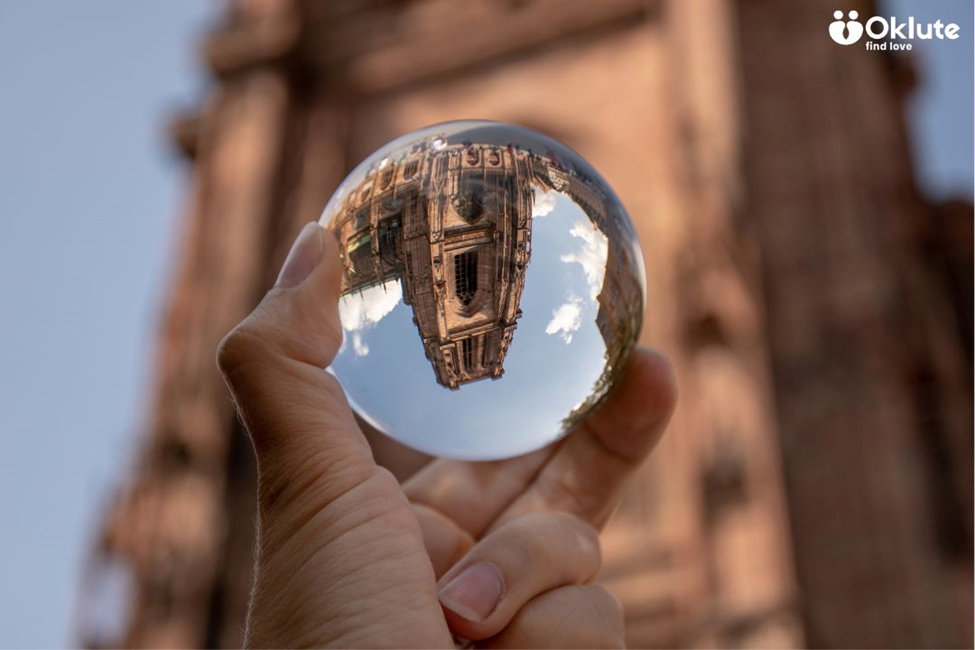
Photography occurs far before the button is clicked. This is because it involves recognizing something that other people may pass by without recognizing its existence. The light that falls on a wall, a strange face, a shadow, a wet and deserted street, or even the momentary interaction between two individuals are all subjects of great…
On this page
Photography occurs far before the button is clicked. This is because it involves recognizing something that other people may pass by without recognizing its existence. The light that falls on a wall, a strange face, a shadow, a wet and deserted street, or even the momentary interaction between two individuals are all subjects of great interest for photography.
Becoming a good photographer goes beyond knowing about the technicalities of camera settings. It means training one’s eyes to understand light and to know how a simple frame conveys an entire emotion.
Learn to See Before You Learn to Shoot
One of the important skills in photography is observation. When practicing photography, Chennai escorts can take time to study the entire scene before capturing an image. Whereas beginners tend to focus on the subject itself, a good photographer looks at both the subject and the things surrounding it.
This includes looking at the background, foreground, lighting, colors, forms, movement, and space in a scene. In order to take better photographs, before clicking the shutter, take a moment and reflect on what caught your interest. Next, try to find the visual clues that make this happen. This way, the photograph becomes more deliberate since the camera captures the decision rather than the action.
Light Is the Invisible Subject
Each picture requires light, but light has many other uses apart from making a scene visible. Light can be used to create an atmosphere, expose texture, isolate a subject from its background, and even alter the mood of a picture completely.
Light can be gentle when the sun is low on the horizon, or it can be harsh when there is strong directional lighting. When there is backlighting, you can create silhouettes and glowing edges, and overcast skies will reduce the contrast in your picture.
Composition Gives Your Image Direction
There are numerous visual components in a photo, and composition is what makes the combination of these components possible. When practicing photography, Delhi escorts can experiment with different arrangements to understand how each element affects the final picture. A good composition not only shows how the various parts come together to form a balanced image but also leads the viewer’s eye to the subject and adds depth to it.
Some of the concepts that can be employed here are the rule of thirds, leading lines, symmetry, framing, repetition, and negative space. These concepts must be seen merely as techniques; there may be times when putting the subject at the center creates exactly the effect desired.
Understand Exposure Without Fear
Technical settings may appear to be complex at first glance; however, once the function of their use in terms of creativity becomes clear, these technical settings will no longer seem difficult. The aperture is responsible for the depth of field, the shutter speed impacts the way motion will be captured, and ISO is responsible for the handling of light by the camera and also determines the noise level of the image. These technical settings operate together, and they are not just numbers that one should know. Each of them has the power to impact the final visual effect.
Focus Should Have a Purpose
Shedding light on the topic of sharpness, one must remember that what really matters is being able to decide what needs to be sharpened. When practicing photography, London escorts can learn to choose the areas that should remain sharp based on the subject and style of the photograph. The eyes may become the point of interest in a portrait picture.
For a landscape photo, the photographer might wish to keep the whole wide range sharp. In a close-up picture, a small detail might carry the message in its entirety. Developing skills in taking pictures requires learning how to be selective and deliberate about focusing on certain parts, instead of just relying on the automatic focus of a modern-day camera.
Final Thoughts:
Photographic skills come from a variety of observations, technical knowledge, imagination, patience, and practice. Knowledge of exposure and focusing enables a photographer to have some control, whereas composition and lighting enable him/her to build up an image that will be experienced visually.
Timing adds emotions, storytelling adds meaning, and editing enables refinement. Nevertheless, perhaps the most crucial skill is the ability to learn how to see things. Once photographers start being interested in light, people, motion, details, and life in general, they start to create images consciously. The camera only works as a means, but the vision is the real source of photography.