Choosing the perfect symbol of your love is an intimate and meaningful process. Whether you are selecting an engagement ring, a wedding band, or a special gift, the design should capture the unique essence of your relationship. An alexandrite ring offers a stunning example of how a piece of jewelry can be more than just an accessory — it can be a reflection of the journey you share together. Known for its remarkable color-changing properties, alexandrite embodies transformation, mystery, and the rare beauty found in a deep connection. This makes it an ideal inspiration for couples seeking a design that truly represents their bond.
When exploring designs that reflect your relationship best, consider the story you want to tell through your jewelry. Some couples find meaning in classic and timeless styles, choosing simplicity that emphasizes enduring commitment and elegance. Others may prefer bold and modern designs, representing the adventurous and dynamic nature of their partnership. The choice of metal, gemstone, and overall style plays a crucial role in conveying the personality and values you share.
Gemstones like alexandrite stand out because of their unique characteristics. The way alexandrite shifts color in different lighting—from green to a captivating reddish hue—symbolizes the evolving nature of love. This adaptability can mirror how a relationship grows and changes over time while remaining resilient. A ring featuring alexandrite not only captivates with its beauty but also carries deep symbolism for couples who appreciate the significance behind their jewelry.
In addition to gemstones, the cut and setting of a ring can enhance the story behind your relationship. Intricate details such as intertwining bands may represent unity and partnership, while minimalist designs can emphasize clarity and strength. Personalized engravings or custom motifs can add an extra layer of sentiment, transforming the design into a truly unique expression of your shared experiences.
Another important aspect to consider is the lifestyle and tastes of both partners. A design that fits comfortably with your everyday activities and personal style ensures the ring will be cherished and worn proudly. For some, a delicate, vintage-inspired design may be the perfect match, while others might gravitate toward contemporary geometric shapes that highlight innovation and progress in their relationship.
Finding the design that reflects your relationship best also involves collaboration and communication. Sharing your preferences, dreams, and memories can inspire ideas that blend the tastes and values of both individuals. This collaborative approach results in a piece of jewelry that feels authentic and meaningful, rather than something chosen by one person alone. When both partners are involved in the design process, the final creation becomes a true symbol of mutual respect and love.Visit our blog for more Yearly Magazine.
Beyond aesthetics, the ethical and environmental impact of your jewelry can be a meaningful factor in the design you choose. Many couples today prioritize sustainable sourcing and eco-friendly practices, selecting pieces that align with their shared values. This consideration adds another dimension to the meaning behind your ring, reflecting not only your love for each other but also your care for the world around you.
Ultimately, the perfect design is one that resonates with your unique relationship story. Whether it is through the choice of a rare gemstone like alexandrite, a timeless setting, or a modern and bold statement, the right ring will carry the emotions, memories, and dreams that define your partnership. Taking the time to find a design that feels personal and significant ensures that your jewelry will be treasured for a lifetime, symbolizing a love that is as special and distinctive as the relationship it represents.
The quest to maintain youthful skin has driven beauty innovation for centuries, but modern dermatological science has transformed our understanding of skin aging from myth to measurable biological processes. This evolution gives us unprecedented ability to prevent and address visible aging signs through evidence-based approaches rather than empty promises.
The Biology of Skin Aging
Skin aging occurs through two distinct but interrelated processes: intrinsic (chronological) aging and extrinsic (environmental) aging. Intrinsic aging represents the natural, genetically-programmed process that occurs regardless of external factors. Beginning in our twenties, collagen production decreases approximately 1% annually, while elastin fibers gradually lose their resilience.
At the cellular level, several key changes characterize intrinsic aging:
Decreased cell turnover rates, extending from 28 days in youth to 40-60 days in mature skin
Reduced sebum production, diminishing the skin’s natural moisturizing capabilities
Thinning of the dermis layer, decreasing structural support
These natural changes manifest as increased dryness, fine lines, and subtle loss of elasticity—changes that occur even without environmental exposure.
Extrinsic aging, conversely, results from environmental factors, primarily UV radiation, pollution, smoking, and poor nutrition. These external stressors accelerate aging through oxidative stress, which damages cellular components including proteins, lipids, and DNA. Unlike intrinsic aging’s gradual progression, extrinsic damage can cause rapid deterioration evidenced by hyperpigmentation, deep wrinkles, and textural irregularities.
Key Factors Accelerating Skin Aging
While chronological aging cannot be halted, understanding the primary accelerants helps mitigate premature aging effects. UV radiation represents the most significant external aging factor, responsible for approximately 80% of visible facial aging. UVA rays particularly damage dermal collagen and elastin through matrix metalloproteinases (MMPs), enzymes that break down these essential structural proteins.
Pollution particles smaller than 2.5 micrometers penetrate skin barriers, generating free radicals that damage cellular structures and trigger inflammation. Urban dwellers typically show higher concentrations of hyperpigmentation and premature wrinkling compared to rural populations with similar genetic backgrounds.
Lifestyle factors further influence aging progression. Smoking dramatically accelerates wrinkling through vasoconstriction and direct chemical damage, while poor diet, particularly high sugar consumption, contributes to glycation—a process where sugar molecules bond to proteins, creating advanced glycation end-products (AGEs) that stiffen collagen fibers.
Chronic stress maintains elevated cortisol levels that degrade collagen and impair skin barrier function. Sleep deprivation similarly disrupts skin regeneration by inhibiting growth hormone production during deep sleep phases when cellular repair normally occurs.
Effective Prevention Strategies
With comprehensive understanding of aging mechanisms, we can implement targeted prevention strategies aligned with biological processes. Sunscreen represents the single most effective anti-aging intervention, preventing both immediate photodamage and cumulative degradation. Broad-spectrum formulations with minimum SPF 30, applied daily and reapplied every two hours during sun exposure, provide essential protection regardless of weather conditions or planned outdoor activity.
Antioxidants complement sun protection by neutralizing free radicals before they damage cellular structures. Key antioxidants with substantiated benefits include vitamin C (l-ascorbic acid), which both neutralizes free radicals and supports collagen synthesis; vitamin E (tocopherol), which protects cell membranes; and niacinamide (vitamin B3), which strengthens barrier function while reducing hyperpigmentation.
Retinoids remain the gold standard for addressing established aging signs while preventing further progression. These vitamin A derivatives accelerate cell turnover, stimulate collagen production, and regulate melanin synthesis. While numerous over-the-counter options exist, prescription-strength formulations like tretinoin offer most significant results for established concerns.
Peptides present another promising category, with signal peptides communicating cellular instructions to increase collagen production and carrier peptides delivering trace minerals necessary for wound healing and collagen synthesis. Products containing thecream Biofixine of Biologique Recherche exemplify this approach, utilizing peptide complexes specifically designed to improve skin elasticity and firmness through targeted biological pathways.
The Importance of Consistent Skincare Routines
Effective prevention requires consistent implementation rather than occasional intensive treatments. A foundational morning routine should include gentle cleansing, antioxidant application, moisturization appropriate for skin type, and broad-spectrum sunscreen. Evening routines should focus on thorough cleansing to remove environmental pollutants, followed by active ingredients that support overnight regeneration processes.
Weekly exfoliation addresses slowed cell turnover, with method determined by skin sensitivity. Chemical exfoliants containing alpha-hydroxy acids (glycolic, lactic) or beta-hydroxy acid (salicylic) provide controlled exfoliation without mechanical irritation, while enzyme formulations offer gentler alternatives for sensitive skin.
Monthly professional treatments can complement home care through deeper intervention. Light therapy, particularly red LED wavelengths, stimulates cellular energy production and collagen synthesis without damaging skin surfaces. Chemical peels provide controlled damage that triggers repair mechanisms, while microcurrent treatments temporarily strengthen facial muscles underlying skin structure.
Nutritional Support for Skin Health
Internal approaches complement topical interventions through nutritional support for skin structures. Collagen-rich amino acids, particularly glycine, proline, and hydroxyproline, provide building blocks for structural proteins, while omega-3 fatty acids strengthen cell membranes and moderate inflammatory responses.
Antioxidant-rich foods neutralize free radicals internally, with berries, leafy greens, and colorful vegetables providing diverse phytonutrients that complement each other’s protective mechanisms. Adequate hydration maintains optimal circulation for nutrient delivery and waste removal, supporting all skin functions.
Technology’s Role in Aging Prevention
Technological advances have transformed our ability to monitor and address skin aging. AI-powered skin analysis now provides objective assessment of concerns like wrinkle depth, pore size, and pigmentation patterns, enabling precisely targeted interventions and progress tracking previously impossible with visual assessment alone.
Wearable UV sensors integrate with smartphones to provide real-time sun exposure monitoring, while pollution tracking applications alert users to environmental conditions requiring additional protective measures. These technological tools make prevention increasingly personalized and effective.
Conclusion
Modern understanding of skin aging mechanisms has transformed prevention from mystery to science. By implementing strategies aligned with biological processes—consistent sun protection, antioxidant application, retinoid use, and nutritional support—we can significantly influence how our skin ages over time.
While perfect prevention remains impossible, evidence-based approaches can substantially delay visible aging signs while maintaining skin health. This science-based perspective replaces unrealistic expectations with achievable improvements, empowering informed choices that balance aesthetic goals with skin health priorities.
Rather than pursuing eternal youth, effective aging prevention focuses on supporting skin’s natural functions while minimizing preventable damage—an approach that honors both aesthetic aspirations and biological realities.
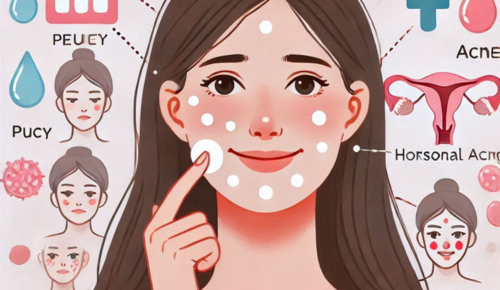
Hormonal acne can be a frustrating and persistent skin condition that affects individuals of all ages. Triggered by fluctuations in hormones, it often appears as deep, painful breakouts on areas like the jawline, chin, and cheeks. Managing hormonal acne requires a targeted approach that combines effective skincare, lifestyle adjustments, and, in some cases, professional treatments. Here’s a comprehensive guide to keeping hormonal acne under control.
What Causes Hormonal Acne?
Hormonal acne occurs when changes in hormone levels, such as during puberty, menstruation, pregnancy, or menopause, lead to increased oil production. This excess oil can clog pores, creating an environment where acne-causing bacteria thrive. Other contributing factors include:
Diet: High-sugar and high-dairy diets may trigger breakouts in some individuals.
Genetics: A family history of acne increases susceptibility.
Skincare Tips for Hormonal Acne
Use a Gentle Cleanser:
Start with a face cleanser product that removes excess oil and impurities without stripping the skin. Look for ingredients like salicylic acid or benzoyl peroxide.
Pro Tip: Use a foaming or gel-based cleanser for oily skin types.
Incorporate Acne-Fighting Ingredients:
Retinoids: Promote cell turnover and unclog pores. Use at night for best results.
Salicylic Acid: Penetrates deeply to clear pores and reduce inflammation.
Niacinamide: Calms redness, regulates oil production, and improves skin texture.
Hydrate with Non-Comedogenic Products:
Avoid heavy moisturizers that may clog pores. Opt for lightweight, oil-free options to keep skin hydrated without contributing to acne.
Apply Sunscreen Daily:
Protecting your skin from UV damage is crucial, especially when using acne treatments that can make skin sensitive to the sun. Choose a non-comedogenic sunscreen with SPF 30 or higher.
Avoid Over-Exfoliation:
While exfoliation helps remove dead skin cells, overdoing it can irritate the skin and worsen acne. Limit exfoliation to 1-2 times per week.
Lifestyle Adjustments
Maintain a Balanced Diet:
Reduce intake of sugary and processed foods, as these can spike insulin levels and aggravate acne.
Include anti-inflammatory foods like salmon, avocados, and leafy greens.
Manage Stress Levels:
Practice mindfulness techniques such as yoga, meditation, or deep breathing to reduce stress-related breakouts.
Stay Hydrated:
Drinking plenty of water helps flush out toxins and maintain healthy skin.
Get Enough Sleep:
Poor sleep can disrupt hormone balance, leading to increased acne. Aim for 7-9 hours of quality sleep per night.
Professional Treatments
If over-the-counter solutions and lifestyle changes aren’t enough, consider consulting a dermatologist for advanced treatments:
Oral Contraceptives: Regulate hormone levels and reduce acne in women.
Spironolactone: Helps reduce oil production by blocking androgen receptors.
Chemical Peels: Exfoliate the skin and reduce the appearance of acne scars.
Blue Light Therapy: Targets acne-causing bacteria without harming the skin.
Common Mistakes to Avoid
Picking or Squeezing Pimples:
This can lead to scarring and further inflammation.
Skipping Moisturizer:
Even oily skin needs hydration to maintain a healthy barrier.
Using Harsh Products:
Avoid products with high alcohol content or abrasive scrubs, as they can irritate the skin and exacerbate acne.
Inconsistent Routine:
Acne treatments require consistency and patience. Stick to your routine for at least 6-8 weeks to see results.
Managing hormonal acne requires a holistic approach that combines effective skincare, healthy habits, and professional guidance when needed. By understanding the triggers and tailoring your routine to your skin’s needs, you can achieve clearer, healthier skin. Stay consistent, and don’t hesitate to seek professional advice for personalized solutions. Use quality cosmetics and women’s shoes and perfumes.
The skin barrier is your body’s first line of defense against environmental aggressors, dehydration, and harmful microorganisms. Maintaining a healthy skin barrier is essential for achieving radiant, resilient skin. But what exactly is the skin barrier, and how can you protect it? Here’s a comprehensive guide to understanding and caring for this vital part of your skin.
What is the Skin Barrier?
The skin barrier, also known as the stratum corneum, is the outermost layer of the epidermis. It comprises tightly packed skin cells (corneocytes) surrounded by lipids, forming a brick-and-mortar structure. This layer performs critical functions such as:
Retaining moisture: It prevents water loss, keeping your skin hydrated and plump.
Blocking irritants: It protects against harmful substances, allergens, and pollutants.
Defending against pathogens: It acts as a shield to prevent bacteria and viruses from entering the skin.
A damaged skin barrier can lead to dryness, irritation, redness, and increased sensitivity. Long-term damage may contribute to chronic skin conditions like eczema and dermatitis.
Signs of a Compromised Skin Barrier
It’s essential to recognize the signs of a weakened skin barrier so you can take corrective action. Symptoms include:
Persistent dryness or flakiness
Redness and inflammation
Itching or irritation
Increased sensitivity to skincare products
Breakouts or rough texture
How to Protect and Strengthen Your Skin Barrier
Use Gentle face cleansers: Avoid harsh soaps and cleansers that strip the skin of its natural oils. Opt for sulfate-free, pH-balanced cleansers that preserve the skin’s natural moisture.
Moisturize Regularly: Hydration is key to maintaining a healthy skin barrier. Look for moisturizers with ingredients like ceramides, glycerin, and hyaluronic acid to replenish lost moisture and support lipid production.
Avoid Over-Exfoliation: Excessive use of physical or chemical exfoliants can weaken the skin barrier. Limit exfoliation to 1-2 times per week and choose gentle exfoliating products.
Incorporate Barrier-Strengthening Ingredients: Ingredients like niacinamide, ceramides, and fatty acids help restore and fortify the skin barrier. Look for these in serums, moisturizers, and facial oils.
Protect Against Environmental Stressors:
Sunscreen: UV radiation can break down the lipids in your skin barrier. Use a broad-spectrum sunscreen with SPF 30 or higher daily.
Antioxidants: Products with vitamin C, vitamin E, or green tea extract can neutralize free radicals and reduce oxidative stress.
Stay Hydrated: Drinking enough water supports overall skin health and helps maintain the skin’s hydration levels.
Avoid Harsh Products: Fragrances, alcohol-based toners, and high concentrations of active ingredients like retinol or AHAs can irritate and damage the skin barrier. Introduce active ingredients gradually and monitor your skin’s response.
Maintain a Balanced Diet: A diet rich in omega-3 fatty acids, vitamins, and antioxidants supports the production of healthy skin lipids and boosts overall skin health.
When to Seek Professional Help
If your skin barrier is severely compromised or you’re dealing with chronic irritation, it may be time to consult a dermatologist. They can recommend tailored treatments or prescription-strength products to restore your skin’s health.
The skin barrier is essential for maintaining healthy, resilient skin. By adopting a gentle skincare routine, using nourishing ingredients, and protecting your skin from environmental stressors, you can keep your skin barrier strong and functional. Prioritize hydration, avoid harsh practices, and embrace a consistent routine to enjoy radiant, well-protected skin every day. Use quality cosmetics, creams with hyaluronic acid and perfumes like Asad.
Did you know kids under two often get rotavirus, which causes diarrhea? As a parent, knowing why kids get loose motion in winter is key. Home remedies can help keep your child healthy and happy.
Loose motion or diarrhea can be treated at home. Natural solutions like fresh homemade curd, yogurt, and lemon work well. It’s important to prevent dehydration in kids during winter.
Key Takeaways
Loose motion in kids can be caused by viral or bacterial infections.
Home remedies like ORS, fresh homemade curd, and yogurt can help cure loose motion in kids.
It’s essential to notice the signs of dehydration in kids and take action at the earliest.
Infants who are teething can also have loose motions, and you can use home remedies to treat it.
Coconut water is an excellent remedy for rehydration, replenishing lost salts, nutrients, antioxidants, vitamins, and minerals during diarrhea.
Buttermilk or yogurt, containing good bacteria, can help soothe stomach lining, fight infection, and combat diarrhea.
Rice congee, due to its starchy nature, is effective in treating diarrhea in children and replenishing essential fluids in the body.
Understanding Loose Motion in Children During Winter Months
As a parent, it’s key to know that winter diarrhea in children comes from many sources. These include allergies, food poisoning, and infections. In cold weather, kids are more at risk because their immune systems are still growing. Spotting the symptoms of winter diarrhea is vital for quick treatment and avoiding serious issues.
Loose motions in kids can happen when good bacteria in their gut gets lost. This can be due to changes in diet or antibiotics. Viral gastroenteritis is a big reason for diarrhea in kids during winter. It happens more in autumn and winter.
Bacterial gastroenteritis, caused by germs like salmonella, can lead to diarrhea with blood or mucus. It also brings high fever.
Common Causes of Winter Diarrhea
Viral gastroenteritis
Bacterial gastroenteritis
Parasites like giardia and cryptosporidiosis
Antibiotic-associated diarrhea
Why Children Are More Susceptible in Cold Weather
Children are more at risk of dehydration, which can be very dangerous. Their small size and growing immune systems make them more vulnerable to cold weather and infections.
Typical Symptoms to Watch For
Parents should watch for signs of winter diarrhea in kids. Look for frequent loose stools, vomiting, fever, and belly pain. If a child shows signs of severe dehydration, blood or mucus in stool, or severe belly pain, get help right away.
The Impact of Cold Weather on Digestive Health
Cold weather can really mess with our digestive health, even in kids. When it gets chilly, our digestion slows down. This can cause constipation, bloating, and loose stools. Knowing how cold weather affects our digestion helps parents keep their kids healthy.
Things like drinking less water, not moving enough, and feeling stressed can make it worse. Stress reduction is key to fighting off winter digestive problems. Eating foods high in fiber, like oatmeal, and green veggies like fenugreek and spinach, helps too. Adding turmeric and ginger to your meals can also help digestion.
It’s important to know what can cause digestive problems in cold weather. These include:
Drinking less water
Not exercising enough
Feeling more stressed
Eating poorly
Having health issues
To keep your digestion healthy in cold weather, drink plenty of water, exercise, and manage stress. These steps help your kids stay healthy and avoid digestive problems during winter.
Food
Benefit to Digestive Health
Oatmeal
Rich in fiber, aids digestion
Green vegetables (fenugreek, spinach)
Essential for maintaining proper digestive health
Turmeric and ginger
Aid digestion, reduce inflammation
Essential First Steps When Your Child Has Loose Motion
When your child has loose motion, it’s important to act fast. Start by checking how bad the symptoms are at home. Look for signs of dehydration like dry mouth and less tears when crying.
Drinking lots of fluids is key to getting better. Give your child Pedialyte or Infalyte to keep them hydrated. Also, offer small meals with foods like baked meat, fresh fruit, and cooked veggies.
Make sure your child rests and relaxes. They should avoid too much activity. Try adding foods like bananas, crackers, and rice cereal to their diet after diarrhea.
Some good foods for your child’s diet are:
Baked or broiled meat
Fresh fruit
Cooked vegetables
Low-fat dairy products
And some foods to skip are:
Fried foods
Greasy foods
Sugary treats
Foods to Include
Foods to Avoid
Bananas
Fried foods
Crackers
Greasy foods
Rice cereal
Sugary treats
Home Remedies to Cure Loose Motion: Natural Solutions That Work
When treating loose motion in kids, natural solutions work well. Home remedies to cure loose motion are easy to make and find. Try bananas, rice, yogurt, and ginger for relief.
Some top home remedies for loose motion are:
BRAT diet (bananas, rice, applesauce, toast) to firm up stools
Ginger tea to reduce loose motion
Yogurt with probiotics to balance gut flora and ease digestion
Apple cider vinegar to fight loose motion from bacteria
Keep your child hydrated with lots of fluids. Electrolyte drinks, or ORS, are good choices. Also, give them small meals often to help their stomach recover.
Always talk to a doctor before trying new home remedies. This is crucial if your child’s loose motion is severe or they’re dehydrated. The right mix of natural solutions and medical help can help your child feel better fast.
Dietary Modifications for Quick Recovery
When your child has loose motion, it’s key to change their diet. Include foods like bananas, rice, applesauce, and toast. These are easy to digest and help firm up stool. A good diet helps your child recover fast and stops future loose motion.
To get better fast, choose the right foods. Avoid foods that upset the stomach and make symptoms worse. These changes help your child feel better and stop loose motion from coming back.
Foods to Include
Bananas: rich in potassium and easy to digest
Rice: helps firm up stool and is gentle on the stomach
Applesauce: easy to digest and can help reduce diarrhea symptoms
Toast: can help settle the stomach and reduce nausea
Foods to Avoid
Stay away from foods high in fat, spice, or fiber. They can make loose motion symptoms worse. By choosing the right foods and avoiding bad ones, you help your child recover quickly and stay healthy.
The BRAT Diet: A Proven Recovery Method
The BRAT diet is a well-known recovery method for loose motion. It includes bananas, rice, applesauce, and toast. These foods are easy to digest and help with diarrhea or stomach upset.
Bananas, for instance, have pectin. Pectin is good for the digestive system. It can help with diarrhea and constipation in kids.
The American Academy of Pediatrics doesn’t suggest the BRAT diet for kids with diarrhea. It’s too restrictive. But it can help in the short term. The diet lacks important nutrients like protein and fiber.
It’s best to use the BRAT diet with other bland foods. These include saltine crackers, clear broths, and potatoes without fats.
Some important tips for using the BRAT diet include: * Drinking electrolyte-heavy drinks like Gatorade or Pedialyte to replace lost fluids and nutrients * Eating probiotic-rich foods like yogurt or kefir to help the gut bacteria * Staying away from foods that make diarrhea worse, like citrus fruits and spicy foods
By following the BRAT diet and these tips, your child can recover from loose motion fast. If symptoms last more than a few days, get medical help.
Food
Benefits
Bananas
Contain pectin, which can help reduce diarrhea and constipation
Rice
Can help treat diarrhea in children when used in conjunction with oral rehydration solutions
Applesauce
Easy to digest and can help firm up stool
Toast
Can help settle the stomach and reduce nausea
Herbal Teas and Natural Drinks for Treatment
Herbal teas and natural drinks can help treat loose motion in kids. Options like chamomile tea and coconut water are good choices. They help reduce bowel movements and improve water absorption in the gut.
Chamomile tea with guava leaves is great for kids. It helps reduce bowel movements and improves water absorption. Guava leaf and avocado pit tea also help with bowel movements and prevent infections. Rice water keeps the body hydrated and reduces fluid loss during diarrhea.
Steep a teaspoon of dried chamomile flowers in a cup of boiling water for 5-7 minutes.
Mix equal parts of coconut water and rice water for a refreshing drink.
These herbal teas and natural drinks are great for kids with loose motion. They offer a natural way to manage symptoms and improve health.
Prevention Strategies During Winter Season
As a parent, you can do many things to stop loose motion in your kids this winter. Keeping hands clean is very important. Wash hands often, after using the bathroom and before eating. This can cut down loose motion by 30%.
Make sure your kids wash their hands every 45 minutes. This will help a lot in reducing loose motions.
It’s also important to avoid bad food and water. Don’t let your kids eat stale food or drink contaminated water. Also, know about food allergies and keep things clean.
Make sure your kids drink lots of water and eat foods high in fiber. Foods like bananas and yogurt are good for the stomach. They help prevent loose motion.
Other ways to prevent loose motion include not drinking too much alcohol and managing stress. Also, be careful of any side effects from medicines. Giving your kids probiotics can help keep their gut healthy this winter.
By following these steps, you can keep your kids healthy and happy. This will help prevent loose motion during the winter.
Some foods that can help prevent loose motion include:
Coconut water to replenish lost minerals
Apple cider vinegar for its antibacterial properties
Pomegranate to treat loose motions and alleviate weakness and dehydration
BRAT diet (bananas, rice, apples, toast) to soothe the digestive system and firm stool
Adding these foods to your kid’s diet can help prevent loose motion. This way, you can keep your kids healthy during the winter.
Conclusion
Home remedies can help cure loose motion in kids. This article shared 13 effective loose motion home remedies. These can help your child feel better fast.
Knowing what causes and shows loose motion is key. Using natural remedies like ginger tea and lemon water helps. Eating clean, staying hydrated, and avoiding alcohol and caffeine also helps.
Chronic diarrhea can last up to four weeks. If Diarrhea lasts more than two days, try these remedies or see a doctor.
Home remedies are a great way to help kids with loose motion. By using natural solutions and prevention strategies, parents can keep their child healthy. Always put your child’s health first and seek help if needed.
FAQ
What are the common causes of winter diarrhea in kids?
Winter diarrhea in kids can come from many sources. This includes viruses, bacteria, food poisoning, and cold weather. Knowing these causes helps parents prevent and treat loose motion in their kids.
How does cold weather affect a child’s digestive health?
Cold weather can slow down digestion. This can cause constipation, bloating, and loose motion. Parents should take steps to keep their kids healthy in winter.
What are the typical symptoms of loose motion in children?
Symptoms of loose motion in kids include diarrhea, vomiting, stomach pain, and fever. Knowing these symptoms helps parents act fast and get their child the right care.
What are the essential first steps to take when a child has loose motion?
First, assess your child at home. Make sure they drink plenty of fluids. Create a restful environment to help them recover.
What are some effective home remedies to cure loose motion in kids?
Home remedies like bananas, rice, yogurt, and ginger can help. These natural solutions ease symptoms and aid in recovery.
What is the BRAT diet, and how can it help a child recover from loose motion?
The BRAT diet includes bananas, rice, applesauce, and toast. It helps a child recover by providing nutrients and soothing the stomach.
For a variety of content focused on natural and herbal remedies for various healthcare concerns, please visit: Pure Remedy Solutions
Tags: home remedies to cure loose motion, loose motion home remedies, Pure Remedy Solutions, home remedies loose motion, natural remedies to cure loose motion
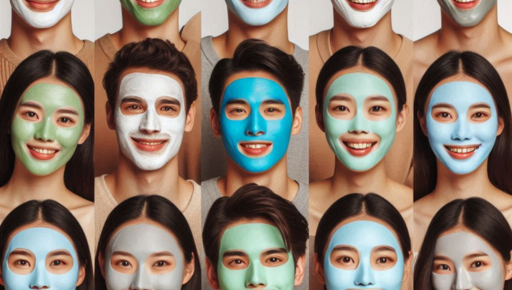
Face masks are a luxurious and effective way to address various skin concerns, providing targeted treatments for issues such as dryness, acne, fine lines, and dullness. Whether you’re looking for a quick pick-me-up or an intensive treatment, the right face mask can transform your skincare routine.
In this article, we’ll guide you through the best face masks for different skin concerns, helping you find the perfect solution to address your unique needs. From hydrating masks to those that target acne or signs of aging, there’s a face mask for everyone.
1. Face Masks for Dry Skin
If you suffer from dry skin, your skin may feel tight, flaky, or rough. The best face masks for dry skin are those that provide deep hydration and restore moisture. Look for masks that are rich in humectants, like hyaluronic acid or glycerin, which help draw moisture into the skin and lock it in.
Why It Works:
These masks are designed to restore moisture, helping to rehydrate dry skin and improve its texture.
2. Face Masks for Oily Skin
If you have oily skin, you might struggle with excess shine, clogged pores, or acne. The best face masks for oily skin should absorb excess oil and purify the skin without over-drying. Look for masks with ingredients like clay, charcoal, or salicylic acid, which can deeply cleanse the pores and balance oil production.
Recommended Masks:
Aztec Secret Indian Healing Clay: This powerful bentonite clay mask detoxifies the skin by drawing out impurities and excess oil. It’s ideal for oily skin prone to acne or blackheads.
Origins Clear Improvement Active Charcoal Mask: With activated charcoal, this mask helps to cleanse and unclog pores, absorbing impurities and oil to leave your skin looking fresh and clear.
Why It Works:
Clay and charcoal masks are known for their ability to absorb excess oil and impurities, making them perfect for controlling shine and preventing breakouts.
3. Face Masks for Acne-Prone Skin
For those with acne-prone skin, a face mask can provide deep cleansing while targeting acne-causing bacteria. Look for salicylic acid, benzoyl peroxide, and tea tree oil, all of which help clear breakouts and prevent future flare-ups.
Recommended Masks:
Mario Badescu Drying Mask: This mask contains calamine and sulfur, which are known for their acne-fighting properties. It helps dry out active pimples and prevent new ones from forming.
The Ordinary Salicylic Acid 2% Masque: This chemical exfoliant contains salicylic acid, which penetrates the pores and exfoliates to clear up acne and prevent future breakouts.
Why It Works:
Salicylic acid exfoliates the skin and clears pores, while ingredients like benzoyl peroxide and tea tree oil help to target acne-causing bacteria.
4. Face Masks for Aging Skin
As we age, our skin naturally loses collagen, leading to fine lines, wrinkles, and a decrease in skin elasticity. Anti-aging face masks help stimulate collagen production, plump the skin, and reduce the appearance of aging. Look for masks with retinol, peptides, or Vitamin C to promote skin renewal and smooth the appearance of fine lines.
Why It Works:
Vitamin C helps brighten the skin and reduce pigmentation, while peptides and retinol stimulate collagen production to improve skin texture and firmness.
5. Face Masks for Sensitive Skin
Sensitive skin requires gentle care, especially when it comes to masks. Look for soothing ingredients like aloe vera, chamomile, and cucumber that help calm irritation and redness. Avoid harsh chemicals, fragrances, and alcohol-based masks, which can further irritate the skin.
Why It Works:
Aloe vera, chamomile, and oatmeal are known for their calming properties, making them ideal for sensitive skin that is prone to redness and irritation.
6. Face Masks for Dull Skin
If your skin is looking tired, lackluster, or dull, the right face mask can brighten and revive it. Masks containing Vitamin C creams, niacinamide, and alpha hydroxy acids (AHAs) can help exfoliate dead skin cells, stimulate circulation, and promote a radiant complexion.
Why It Works:
Vitamin C and AHAs promote skin cell turnover and brighten the complexion, helping to revive dull skin and restore a healthy glow.
Face masks are a wonderful addition to any skincare routine, offering targeted treatments for various skin concerns. Whether you’re dealing with dryness, acne, aging, or dullness, the right mask can provide instant benefits, while nourishing and rejuvenating your skin over time. When choosing a mask, it’s important to understand your skin’s needs and select ingredients that specifically address your concerns. By incorporating face masks into your routine, you can enjoy healthier, more radiant skin that feels refreshed and revitalized.
Experiment with different types of face masks and find the one that works best for your skin. Remember, consistency is key, and with the right mask, your skin will thank you with a beautiful, glowing complexion. Embrace the convenience and effectiveness of micellar water, and enjoy the journey to clearer, more radiant skin! Every person has to care about himself, like they care about their relationships, care about their children. Each of them is different, but important.